
So Dark Shadows has been running for exactly three months. In-universe, six days have passed, with today, Episode 67, beginning the seventh day.
So Victoria Winters and, by extension, us, have only been in Collinsport for a week. This is what is called “pacing”.
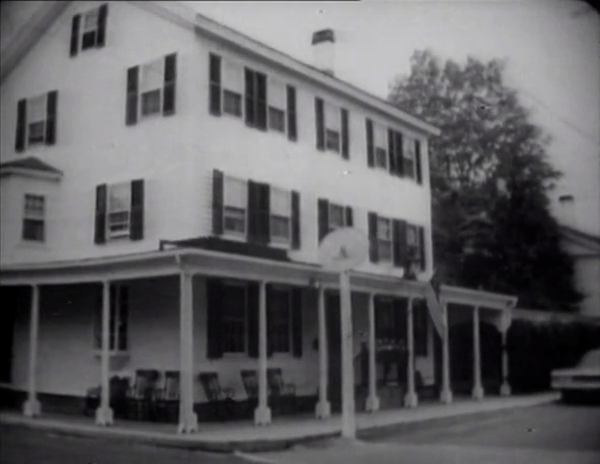
If nothing else, Day 7 is over pretty quickly, similarly to Day 5, which moved by rapidly mostly to build up to the discovery of The Dead Man at the Foot of Widows’ Hill in Episode 50. Like Day 5, Day 7 also exists primarily to build up to a major nighttime cliffhanger.
But we’re not there yet, so it’s the Motions for us.
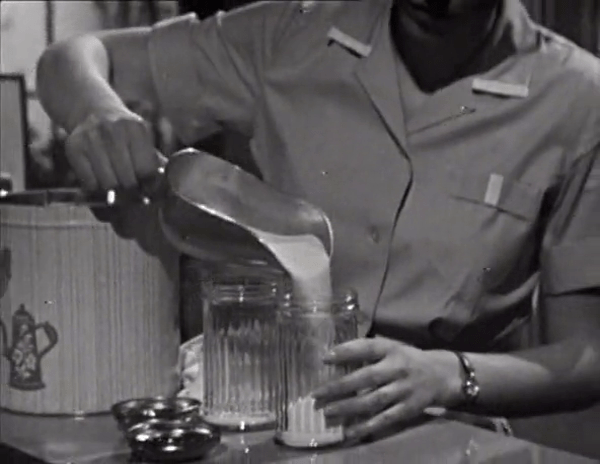
Imagining a “you can always buy another drink” situation with the scoop flying out of KLS’s hand and sugar going all over the table. But the actresses on the show have better control of their faculties.
Carolyn walks in and, in a stunning testament to her lack of self-awareness…
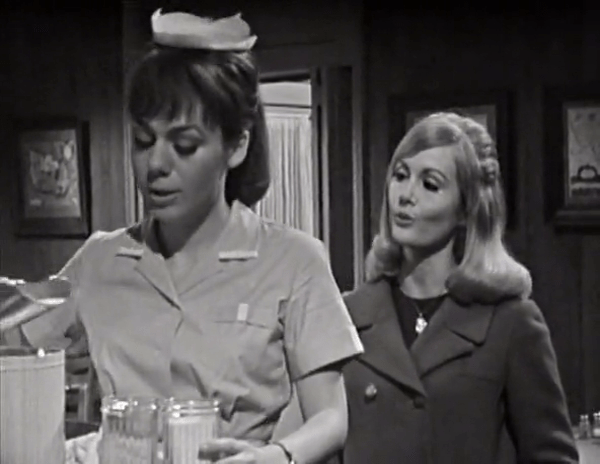
She knows Maggie currently isn’t doing so well with Burke, she knows Maggie came to Collinwood last night for this very reason, and she just casually mentions the son of a bitch.
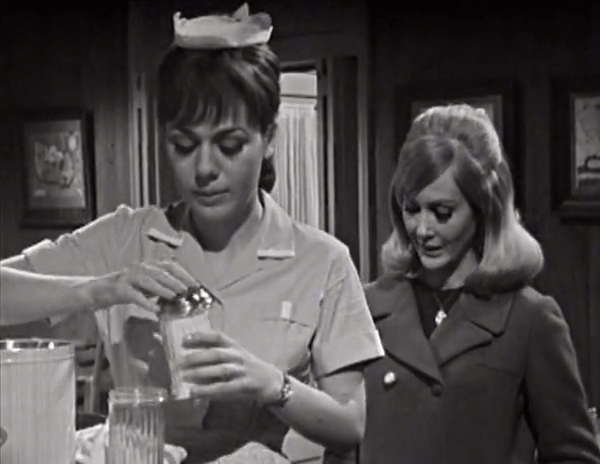
On the basis of things, again, these two girls should be in agreement. Burke means to implicate Maggie’s father and Carolyn’s uncle in a terrible crime. But, no, they aren’t because Dick.
That is to say, Carolyn is defending Burke because he gets her juices flowing and for no other reason than that. It isn’t that she believes in her uncle’s innocence, she just dismisses that part of the whole thing, presumably because it’s damaging to think about that stuff.
It’s honestly embarrassing on a visceral level and you end up hoping for a legitimate point where Carolyn must choose a side in all this. But recent events have included Elizabeth telling her she ought to talk to Burke about all this. Sure, we got to see Roger confiscate the pen, but that’s it. There hasn’t been a point where Carolyn is forced to choose (an actual choice with real consequences) between her family and, er, her estrus.
Carolyn goes out of her way to embarrass herself to Maggie, saying her mother didn’t mean it when she said Burke was capable of murder.
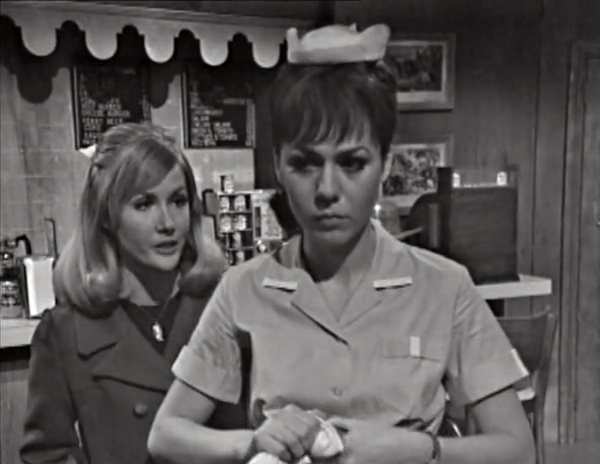
Well that fixes it.
Carolyn repeats Liz’s assessment that Burke merely resents the Collinses for what happened ten years ago.
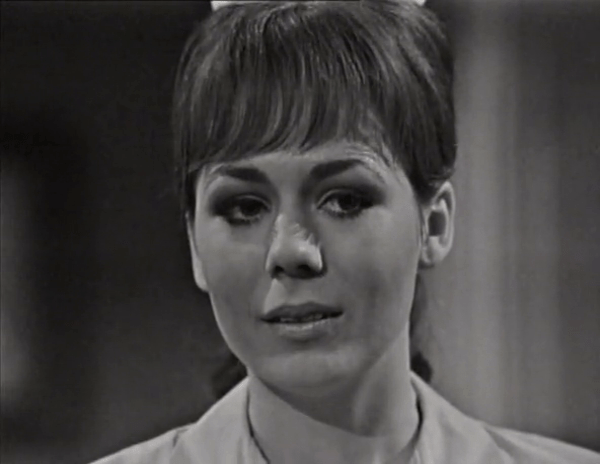
Maggie notes the number of changes that occurred ten years ago: Burke going to prison, Roger and Laura leaving town, and her father suddenly becoming a depressed alcoholic.
Naturally, these things are all connected. Most of it seems obvious, but it isn’t to the characters inside the world because, well, it isn’t dramatically satisfying for them all to immediately understand. The fact of Sam’s downward spiral beginning at that time, though, should be a point of evidence for Maggie to realize he is more involved in the case than he let on, but alas.
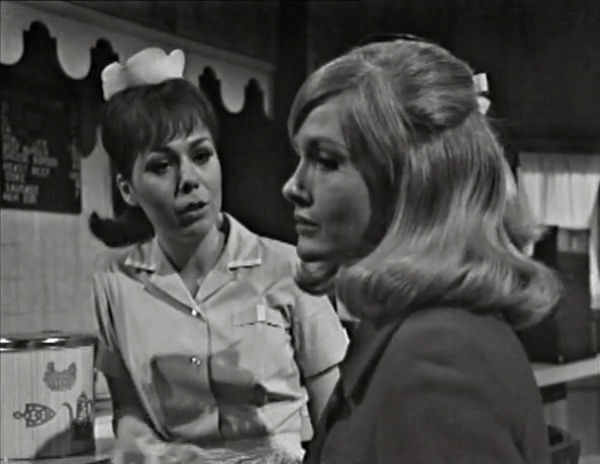
Carolyn’s response to this obvious statement is that “It’s very confusing”. But it isn’t. You believe one or the other. You can’t believe both. And while it seems that this struggle should be a real thing for the character…it just isn’t.
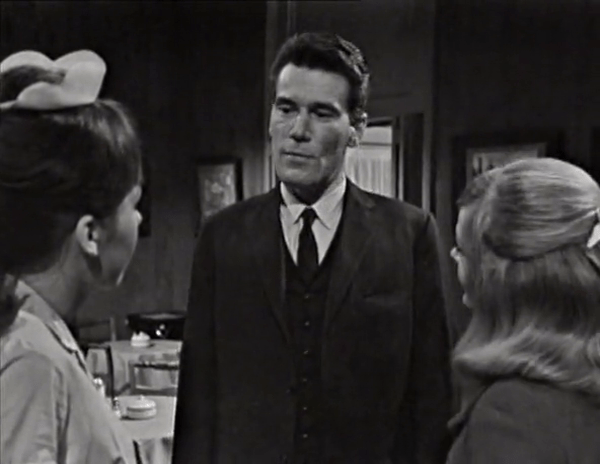
The more entertaining narrative is found in the other half of this episode. Sheriff Patterson has Sam over at his office to, I dunno, testify about Burke making a ruckus at his house. That tracks.
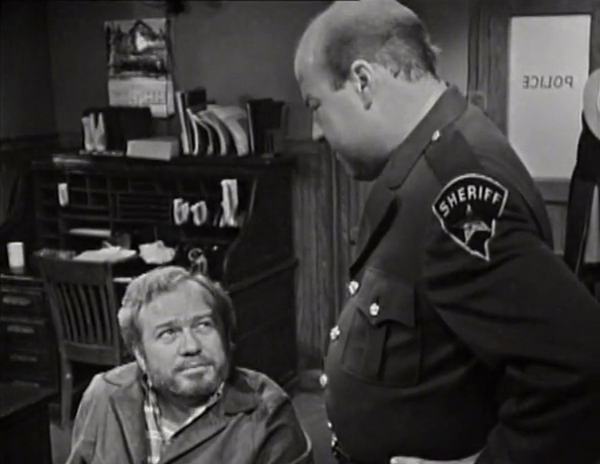
I’m not sure what value there is in any of this, but I’m sure Sheriff Cakes thought he was doing something and that means something.
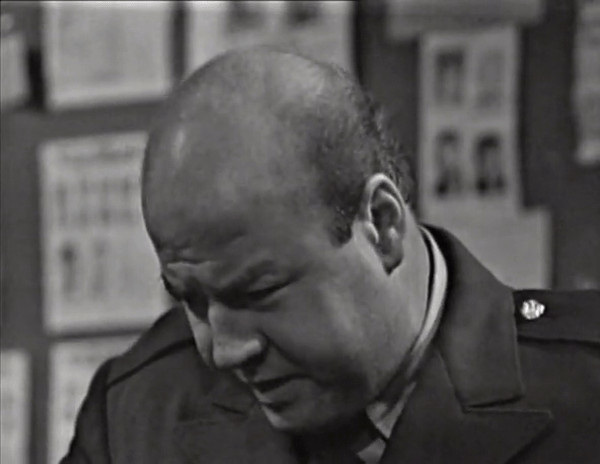
And I guess this makes sense. Raving vigilante Burke can’t be the number one authority on his own movements. It would be understandable to get Sam’s version of the story but, of course, there’s nothing to get.
There’s an incidental reference to the coroner’s verdict, with Patterson suggesting the account of Burke’s visit to the Evanses might be useful in determining whether or not there should be more investigation into Malloy’s death. Does that…does that mean Burke is an active suspect? I mean, he already was for other reasons, but this one rings hollower than even those.
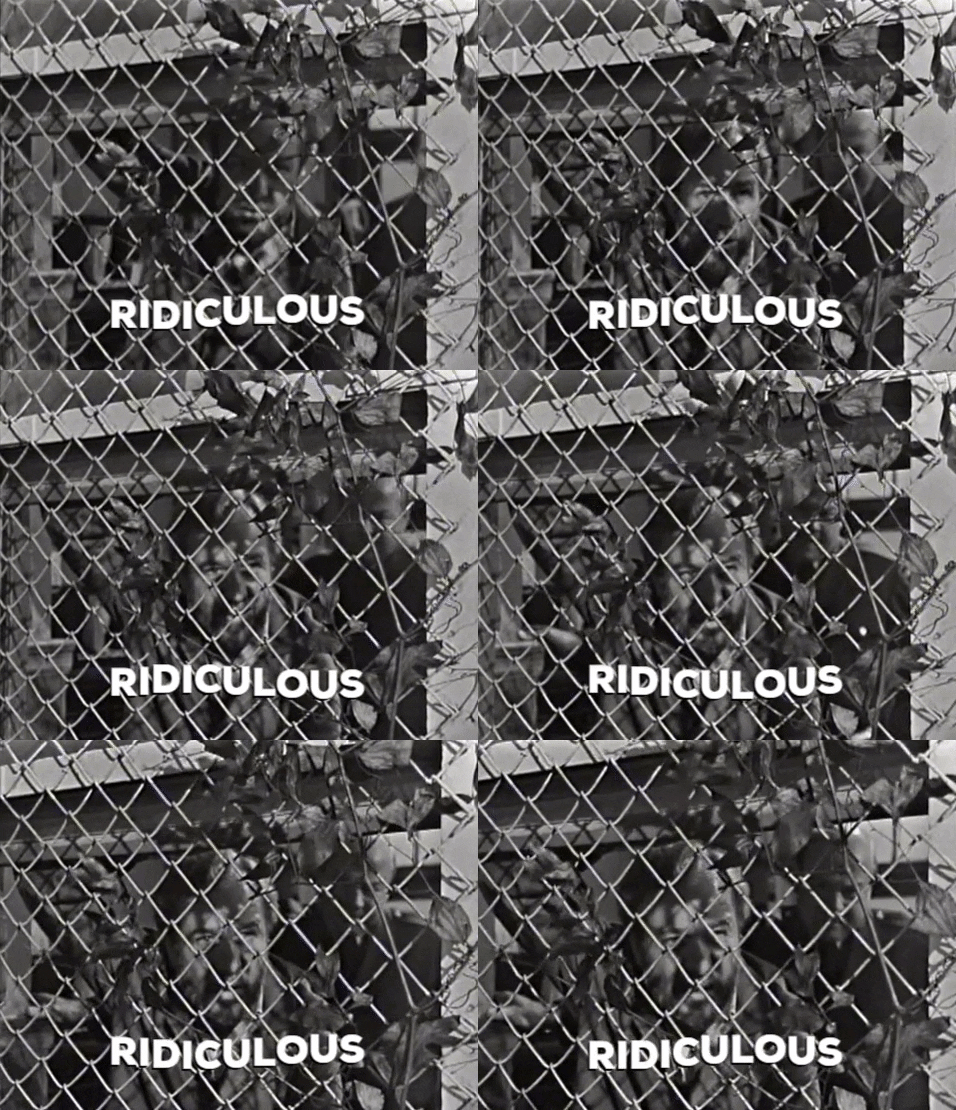
This is the first iteration of the “outside the sheriff’s window” shot. It gets a lot of mileage, probably due to the dramatic composition of the wire fence and the plastic leaves that always seem to be jostled by a fearsome wind.
Fittingly, it is the dramatic Dave Ford that introduces us to this dramatic shot, dramatically going on about what a swell guy Malloy was and how unlikely it is anybody would want to kill him.
Further recapping of Sam’s movements the night Malloy died. Why? I have no idea. They’re basically killing time here.
There is quibbling about whether or not Sam left home at 10:30.

We literally had this conversation nine episodes ago. It just boggles my mind that we’re doing this, especially since we’ve reached a juncture where the show clearly doesn’t want us paying as much mind to Sam as a suspect as Roger or even Burke.
A highlight is Sam insisting his walk to the cannery might’ve been shorter or longer than usual based on any number of nebulous factors, such as:

I can relate. I used to like clouds, but now they only block the sun, they rain and snow on everyone, so many things I could’ve done, but clouds got in my way. You might say I’ve looked at clouds from both sides now, from up and down and still somehow, it’s clouds illusions I recall, I really don’t know clouds at all.
Joni Mitchell wouldn’t write her career defining song for another six months, of course. But, who knows, maybe she caught an episode of this terribly dull soap while she was touring American folk joints. She is apparently a Star Trek fan.
The one new signifier here is Patterson wondering if Maggie would know the exact time Sam left and Sam being all…
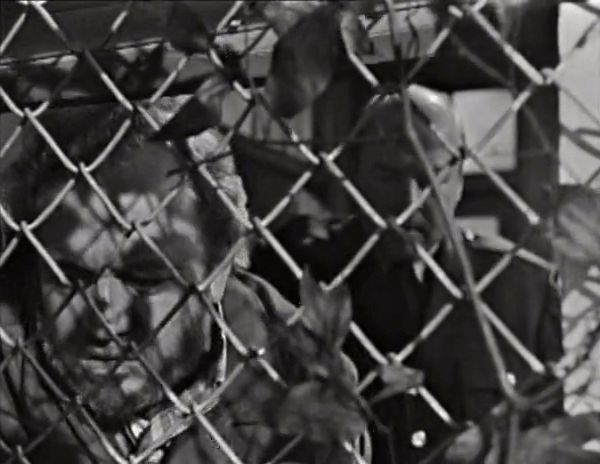
Which doesn’t inspire much confidence, but people are desperate.
So the flagging momentum is revived when Patterson gets a buzz (HARRY?) about someone waiting to see him.
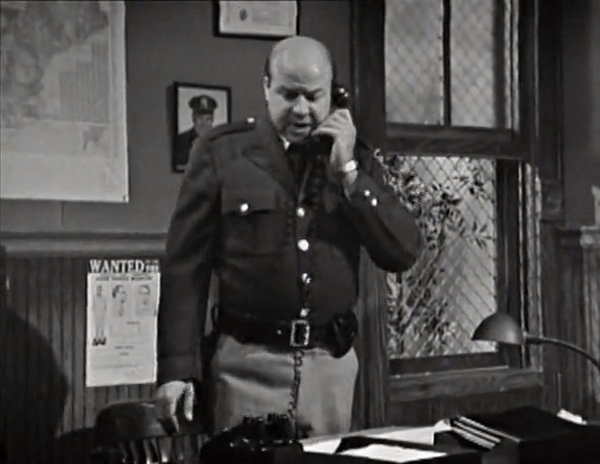
Yep. Mrs. Johnson, Bill Malloy’s housekeeper, oft mentioned in the episodes since his disappearance-turned-death, will transcend the same foggy mires of Harry and become an actual, physical character on the show.
Thank God.
So Sam leaves as Mrs. Johnson enters, and we immediately notice a few things about her.
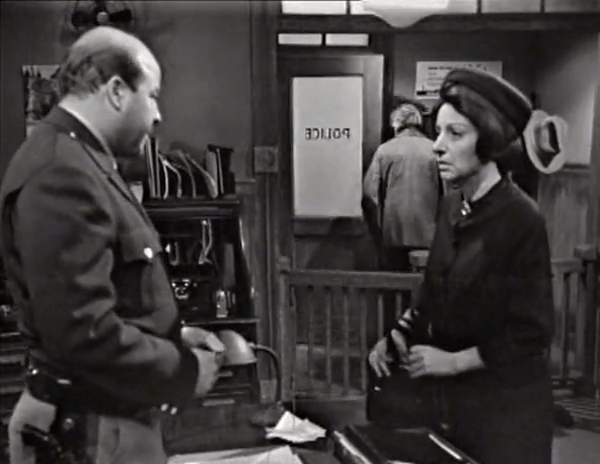
Also that purse. The general air of the widow from thirty years earlier. And the birdlike posture she assumes, as if determined to give the appearance of a magpie of some kind.
We get a further idea of the character of Sarah Johnson the moment venerable character actress Clarice Blackburn opens her mouth.


So any illusions we may have had about a sobbing old charwoman with a lace handkerchief and the air of a domestic in an Agatha Christie are done away with. Mrs. Johnson is pissed as hell. And who could’ve seen that coming, with all the other things they’ve been throwing at us? A screaming, cartoonishly-garbed housekeeper? That’s new! Dark Shadows hasn’t done anything like that before. What role is she going to have in the story? How long will we get to have her?
Indeed.
Back at the restaurant, Maggie continues to do her job while Carolyn gets right back to her usual habit of debasing herself while Burke eats like a pig.
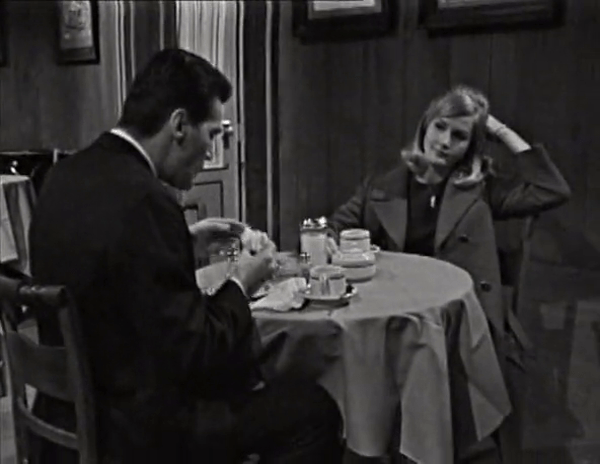
Carolyn mentions Burke “almost having dinner with Vicky Winters again”, because that’s something we have to pretend to care about.
She likewise mentions having heard about Burke coming to Collinwood. I don’t know who told her, and I also have a hard time imagining she slept through all that. Sure, we were already at our actor quota for the episode, but there was, as Burke pointed out, “some sound of violence” in the drawing room for most of that. You’d think she’d have heard and been unable to resist witnessing the mess.
Burke then lays some flattery on Carolyn, calling her “possibly the only completely honest person living at Collinwood”.
Well.
Burke proceeds to run down the other members of the household who are, as he explains, all dishonest shits.

Pronounced “Warshington”, of course, because America.
Burke rattles off Roger without much comment, moving on to Elizabeth.

Probably true.

So if you had any doubts, let this alleviate them. Burke does hold Victoria responsible for not assisting him in shattering Roger’s alibi last night. He was merely being a disingenuous (indeed: dishonest) cock telling her he didn’t hold it against her.
Burke then says some of the “ananias must have rubbed off on her too”.
Nope, not a euphemism.
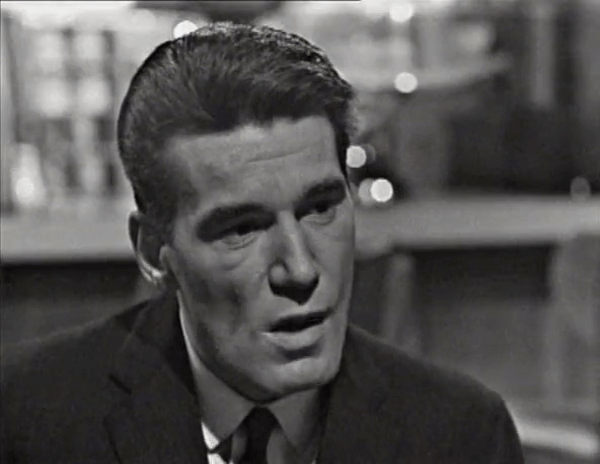
So besides Burke morally posturing himself to the teenager he’s grooming, this is a really fucking weird reference for a show like this to make. Ananias has never been a particularly accessible Biblical character, not even by the standards of 1960s America. What is the point of Burke invoking him like this? To show us how well-read he is? I doubt we’re supposed to believe he’s a man of faith or anything like that.
Maggie arrives with more coffee, but Burke declines.
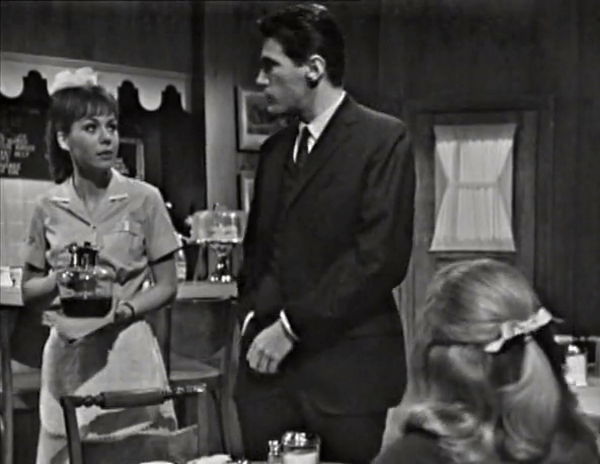
Burke brusquely dismisses Carolyn and goes off “to make some phone calls”, leaving Carolyn to rue how horny his consummate shittiness makes her.

And just when you think the sensible, clear-headed Maggie will knock some sense into her, she agrees.
The trend of women being attracted to unpleasant men is by no means a new thing in fiction. The “bad boy” trope exists for a reason. What makes the weird affinity the young women of Collinsport have for Burke so strange is how, unlike the usual fictional bad boy, Burke never makes any exceptions. He’s a dick to everybody. Even when he’s nice, he’s condescending and crude about it. The man doesn’t appear to have any redeemable qualities besides being determined, and as we see, that isn’t always a good thing.
But even Maggie, who hates that he’s going around slandering her father all about town, can’t bring herself to actively hate him.
Why? Raw Sexual Energy, I guess.
Anyway, back to the good part.

Interviewing the housekeeper makes perfect sense at this point in the investigation. For all we chuckle at Sheriff Cakes, he had a banner day of police work over the very long ‘yesterday’ period. He interviewed the three men at Malloy’s meeting, oversaw the discovery of Malloy’s body and the subsequent autopsy, and is now awaiting the coroner’s verdict.
Presumably the only reason he didn’t interview Malloy’s housekeeper then was because there was already too much going on.
Mrs. Johnson, believe it or not, is the first female character to be introduced after the first week. Before her, the most recently introduced woman on the show was Carolyn, who debuted right after Vicky, Liz, Maggie and even Mrs. Hopewell (yes, Mrs. Hopewell) in the second episode.
We’ve had a whole parade of supporting male characters who have come and gone. This is the first woman in 13 weeks.
And, while we might expect a rote performance of the embittered domestic, wryly or tearfully recounting tales of her dead employer, Clarice Blackburn instead provides us with the most effective character introduction since Carolyn and Joe.
When Patterson mentions Malloy’s stopped watch, we get this pregnant pause.
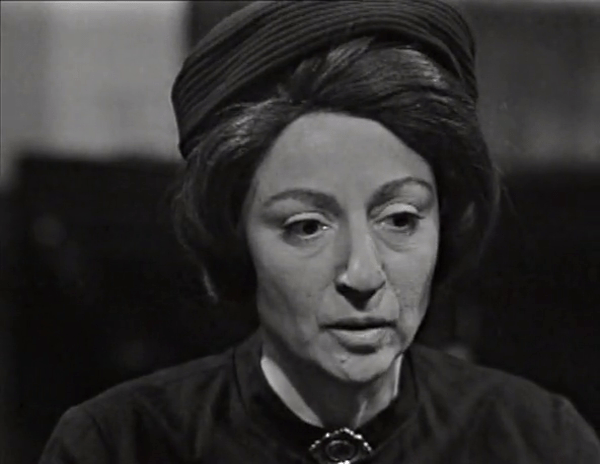
She looks off into the distance and there is evident guilt in her voice, as if she believes that, by staying longer, she could’ve saved Malloy’s life.
Patterson turns talk to the subject of the phone call Mrs. Johnson has been said to have heard in all prior mentions of the character. Mrs. Johnson claims to have heard nothing, and remarks.

She concludes, however, that it “must have been a man” Malloy was speaking to.
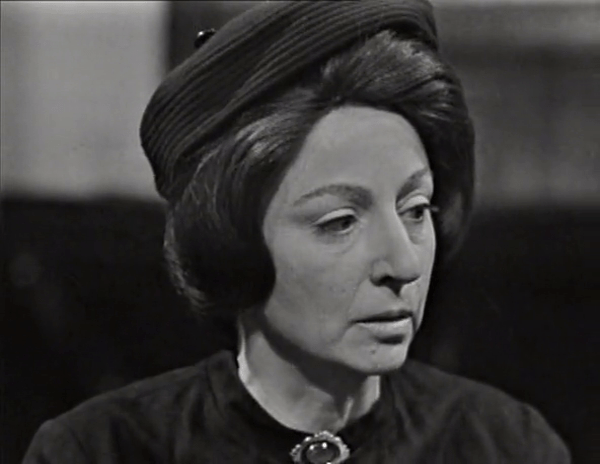
The way she looks off as she says that, as if she knows she was eavesdropping, but can’t bring herself to admit to something so improper.
Patterson wonders if, whatever Malloy was arguing about, was it such that he would’ve taken his own life?
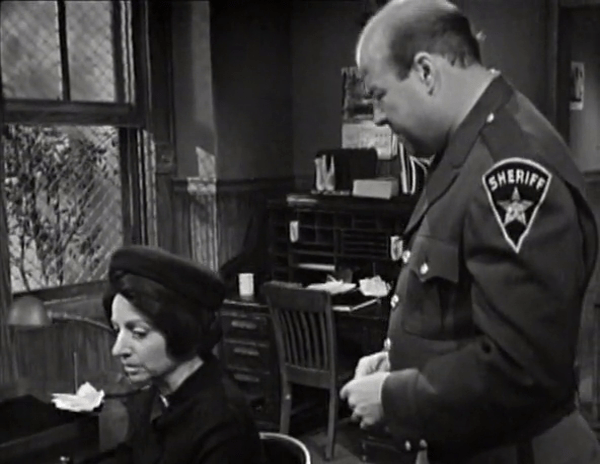
It is with a forceful conviction. Even when Liz dismissed the idea of suicide so many episodes ago, it wasn’t with near as much venom.
When Patterson notes that one needn’t be a “special type” to have an accident, Mrs. Johnson remarks:
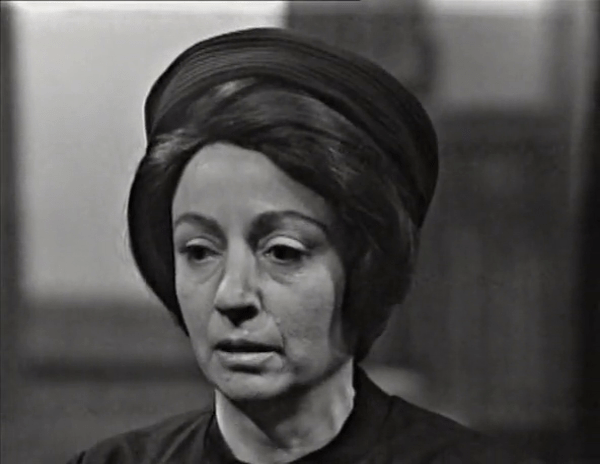
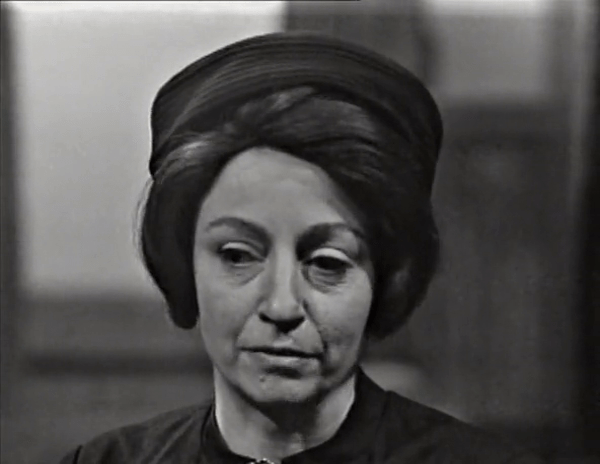
It’s such a basic piece of dialog, but Blackburn delivers it with this slight strain, as of a woman slowly losing her composure. It is this little domestic touch that has convinced Mrs. Johnson that her employer died a more sordid death than others would believe.
Her eyes flutter and her voice breaks…

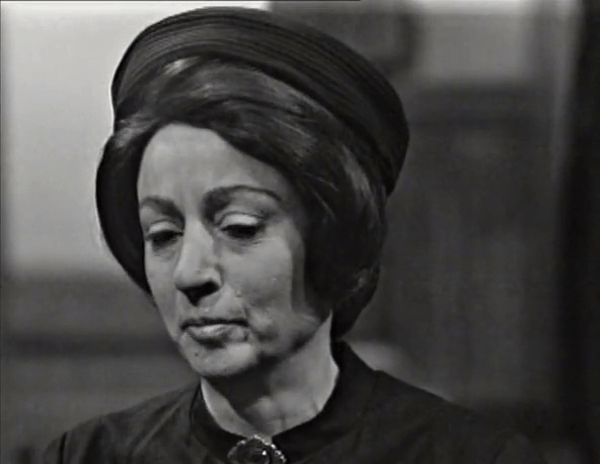
It would be so easy for this dialog to be eye-rollingly ham-fisted. We know Francis Swann isn’t exactly a subtle fellow. But there is a sincerity and sadness with the way Blackburn delivers these lines that elevates her over a disposable witness in a police procedural. There is a character here, a human person who has been effected by this tragedy.
We haven’t really gotten that anywhere else. People have been sad about Malloy’s death, but for the most part, reaction to his demise has been rather utilitarian. Even in Carolyn’s little monologue about chasing one’s dreams, etc. there was more a sense that she was mourning some nebulous concept as opposed to a man who had lived and died.
With Mrs. Johnson, the question becomes less about Malloy’s death, and more about his loss, and what it means. Finally, somebody appears to grieve and the story becomes…
Human.
This then gets a weird Twin Peaksy vibe when Patterson goes to get some water, but
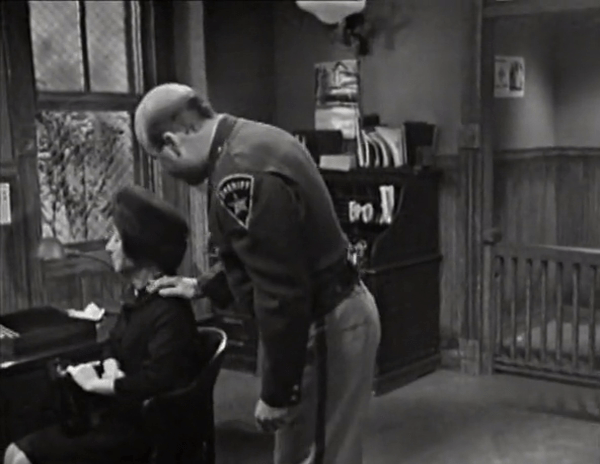
That’s weird. Was that scripted? Were there just no cups on the set? It’s such a weird moment in an otherwise straightforwardly somber scene.
Patterson asks Mrs. J who she thinks might’ve killed Malloy.

Well.
Patterson has already done this, of course. When he prompts Mrs. Johnson for any specific details, she provides an eloquent thesis.
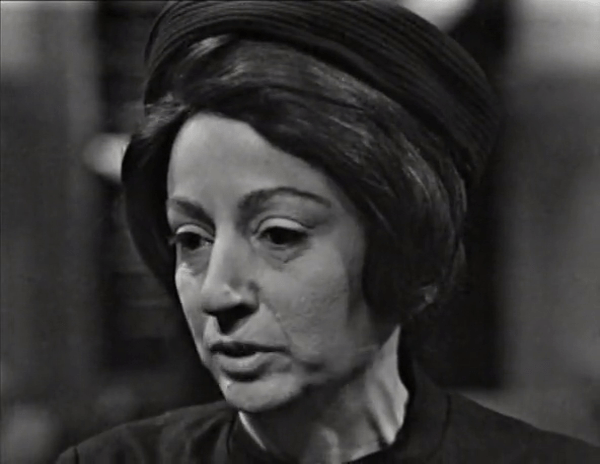

These seem like weirdly personal thoughts for a housekeeper to have about her employer’s work life. She seems almost…angry.
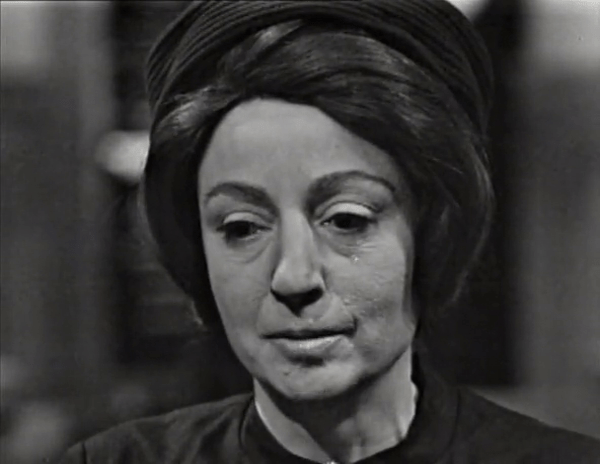
Well that was cool. Mrs. Johnson quietly vanishes from the episode after Act II, but her introduction is such that you know this was more than a walk-on role. There was too much attention paid to the inner workings of her mind, what she thinks and how she feels about things.
Dark Shadows wants us to invest in her. You don’t have to tell me twice.
Don’t look behind you.
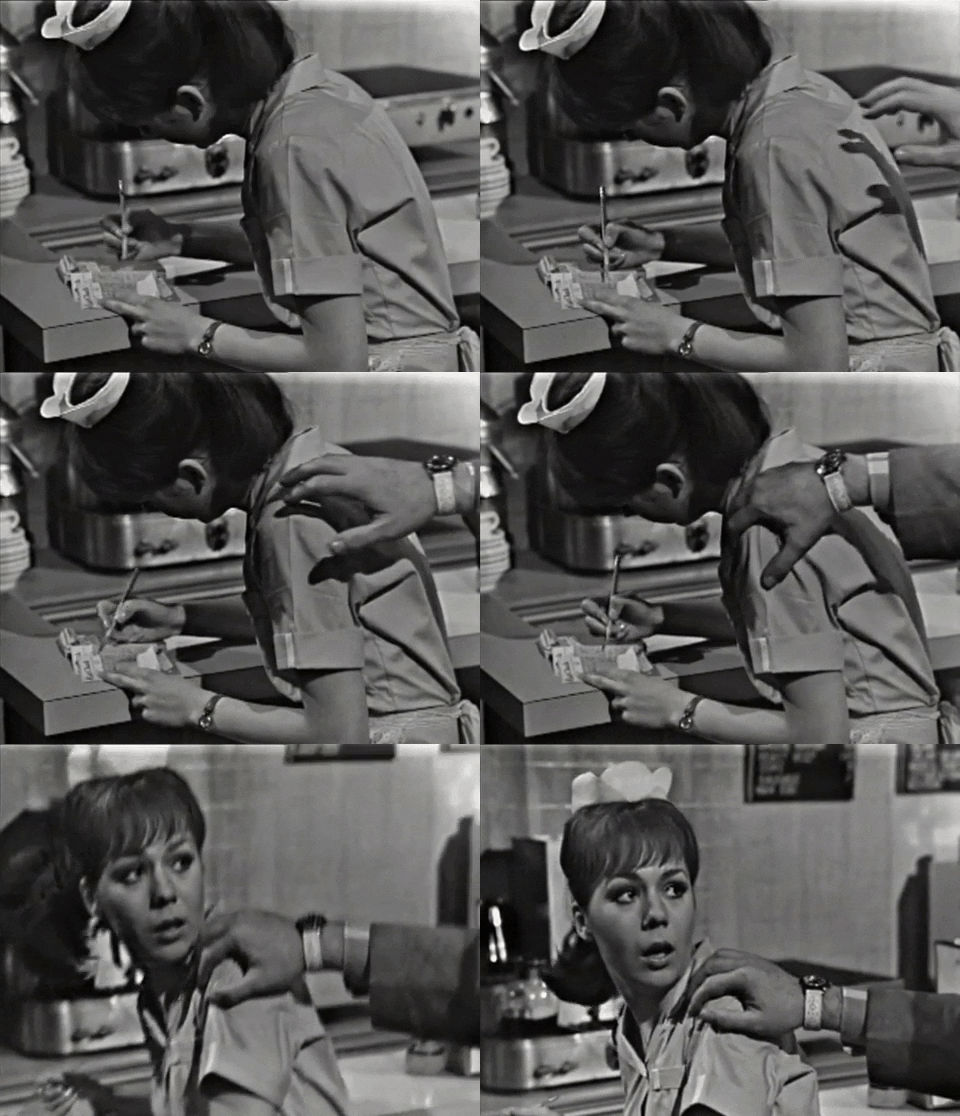
It’s just Sam.
Maggie tells him that she knows about his attempt to get the letter from Mr. Wells last night. You remember, right? That thing?
This leads to more of the Same Conversation, which is even more embarrassing given how much Burke’s trip to the house last night should’ve shaken up subjects of conversation for them.
If it’s any comfort, however, once Maggie is reaffirmed that the letter is there and stop talking about it…she does stop talking about it. And so does Sam. To the best of my knowledge, this is the last time Sam’s confession is ever mentioned.
Now I could be wrong.
But I don’t think I am.
Which makes you wonder…what was the point? To generate tension (drink), obviously, but it hasn’t really done that. The letter was written exactly 30 episodes ago, Roger learned about it, got freaked out, Sam immediately had second thoughts about writing it, Malloy dying made him freak out somebody would actually read the thing, he tried to get it back, failed and…
That’s it. Nobody is ever going to find the letter. No one is going to read it. Roger may have already forgotten it exists, given neither of them have mentioned it once in all of their interactions since Sam first told him about it in Episode 39.
Basically, it’s something Art Wallace thought of that Francis Swann dropped. It could’ve been a way to resolve the Burke Devlin story and maybe it would’ve been if the show were cancelled by Episode 65. It would’ve been cheap and half-baked, but it would’ve been something.
Anyway, none of that is the point. Sam wonders if Maggie remembers when he left for the meeting the night Malloy died, because reaffirming that question is the only reason he’s in this episode.
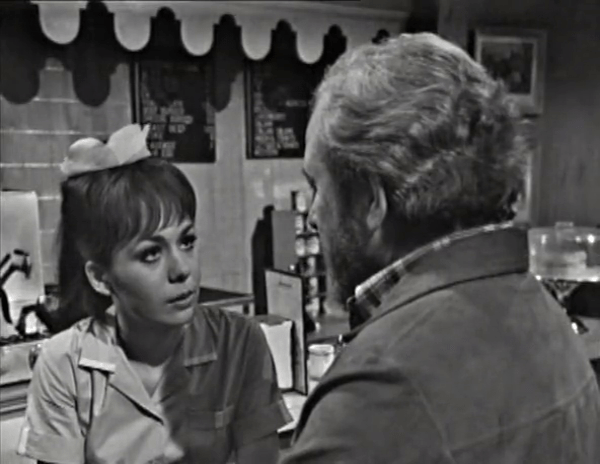
Maggie is naturally alarmed to know that the sheriff is asking Sam these kinds of questions and, like a boss, immediately prepares to perjure herself for her father.
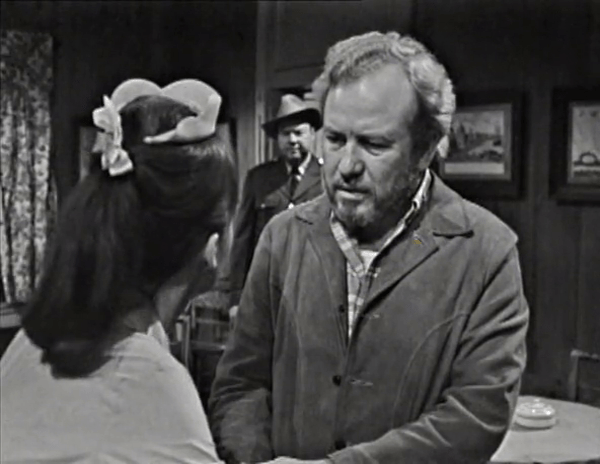
Despite not actually knowing for sure, Maggie insists Sam left at 10:45, the exact minute Malloy is thought to have died.

This is interesting, coming one episode after Vicky was likewise put in a position to provide an alibi for Roger. There, however, Vicky was uncertain, hesitant, and not in any position to want to save or damn Roger. She just didn’t know.
Maggie also doesn’t know. But she does know that she wants to protect her father and she’ll do that without blinking an eye.
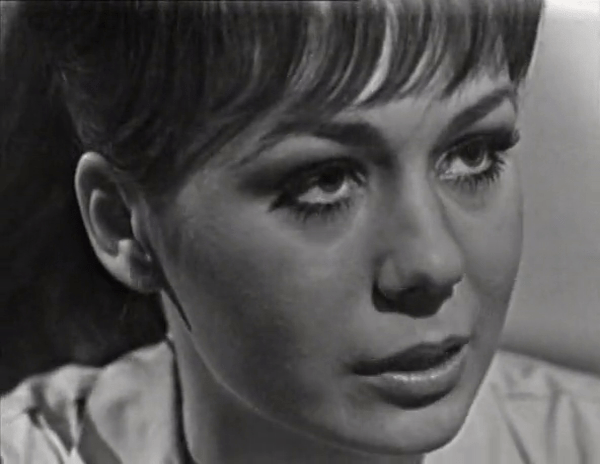
I’m excited. Are you excited? I’m excited.

Burke is calling Blair. Remember him? Yeah, he’s just quietly usurped Bronson entirely by now, they’ll never mention him again.
It seems like they’re planning another meeting, which is nice because it’s been too long since anything has actually happened with Burke’s plan. In-universe, of course, it’s only been three days since the meeting in Bangor, but for us it’s more than 20 episodes.
Carolyn shows up, because she just can’t get enough I guess.

So Carolyn is here to follow her mother’s advice and confront Burke about the accusations he has made against her uncle.
Carolyn mentions she knows Burke made these accusations during Vicky’s dinner date at the Evanses.

What a cock. Carolyn defends her friend for once, however, and sticks to the point.

Talk turns to Burke’s manslaughter trial and the accusations he made about that.
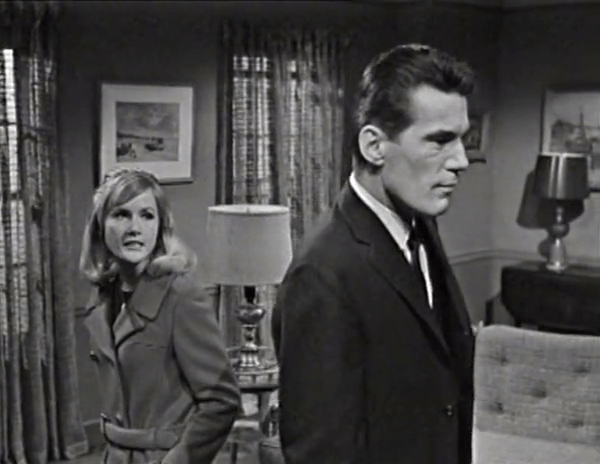
Burke’s gut instincts, getting him to make bold, unfounded claims just like that. And he wonders why people don’t jump on the “I know what the jury said, but I think they’re wrong” train with him.
We enter the last act with Maggie being a lovely little badass.

And it is here that Sam bucks up and defends his daughter, insisting Maggie can’t be sure of that.
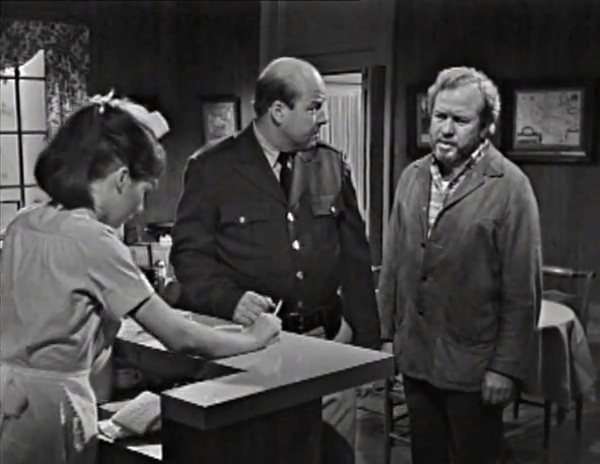
This is character development. Sam isn’t quite the scurrilous weasel first confronted by Roger in the second week. In the past few episodes, he’s stared down Burke (and, somehow, convinced him of his innocence), toyed with Roger, and stepped up in defense of the daughter who always has gone out of her way to defend him.
Sam reaffirms his earlier statement that he left the house at around 10:30, and took long on the way because he was “making up [his] mind” about whether to show himself.
Patterson gets exasperated by Maggie’s attitude toward him, insisting he’s only collecting facts for the coroner.
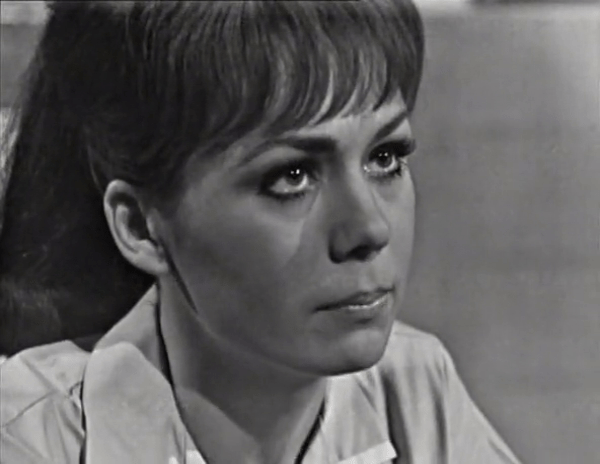
Maggie Evans says ACAB.

This dynamic is so fun. I almost forget how much of nothing is actually happening on screen.
Maggie lets slip that she’s less afraid of Sam ending up under scrutiny from the police, and more that Burke will turn his ire onto him.

That’s not as reassuring a statement as he clearly thinks it is.

She has every right to throw one of those fresh-filled sugar cylinders into his face.
Maggie wonders if she’ll learn the truth about all this if she reads the letter.

Again, that’s not as comforting as I’m sure he thinks. And yet, I swear, I’m fairly certain that letter is never mentioned again after this episode. I could be wrong. We’ll see.
We rejoin Burke and Carolyn just as he finishes telling her his version of the night of the crash.

Again, that’s not as affirming as he… Whatever.
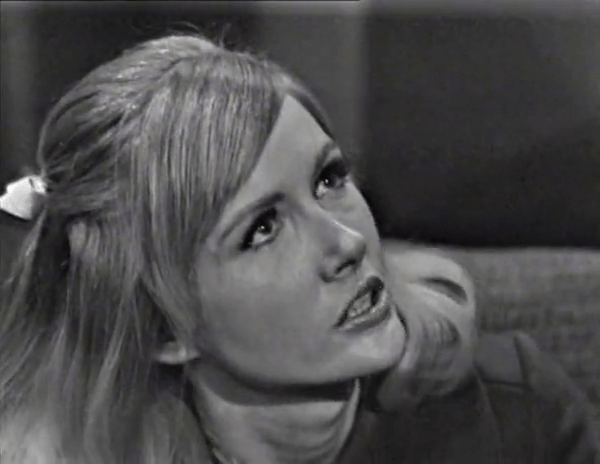
Breaking News: Local idiot makes startlingly good point.
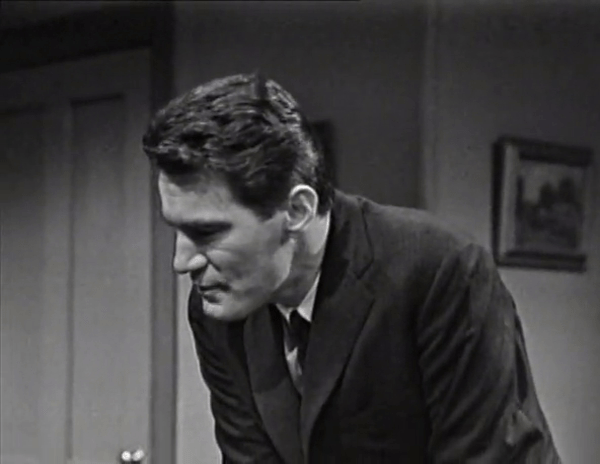
At which point the camera cuts to Carolyn making this ridiculously stricken face…

And Burke seems to remember he’s talking to a teenage girl.

I like to imagine that in that moment, Burke let it sink in that he’s spent the last six days actively encouraging the romantic advances of a 17-year-old and felt the barest twinge of guilt for the first time.
Don’t worry, I’m sure he got over it pretty fast.
So Burke’s defense is basically, even though he was blackout drunk, he knows he wasn’t driving. Just take the word of the self-admitted destructive alcoholic. And he wonders why nobody ever believes him.
Carolyn gets emotional at the suggestion Malloy found out the truth and was killed by Roger for it and insists to Burke that this cannot possibly be true because Reasons, I guess.
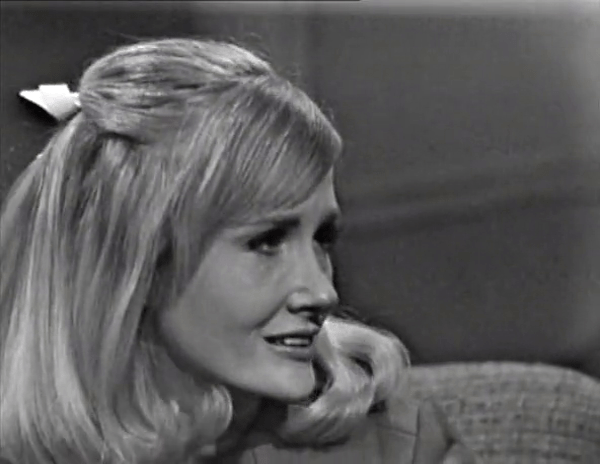
I really want to know what the Unca Roger of Carolyn’s imagination is like, because he seems like a very grand, upstanding fellow.
So Carolyn decides the next stop she must make on her journey of self-discovery is to ask her uncle if he’s a murderer, a conversation that I’m sure will be as productive as the one I just wasted five minutes watching.

Good to know the writer’s patting himself on the back.
This Day in History- Tuesday, September 27, 1966
Busy day in comparison.
In China, Nien Cheng, the adviser to the British oil company in Shanghai was arrested. She would spend more than six years in a horrible prison that she would later document in a book about the Cultural Revolution. Her crime? Writing about the city’s grain supply in a letter from nine years ago.
A race riot breaks out in Sam Francisco when a white police officer shoots and kills a 16-year-old Black teenager named Matthew Johnson. Over the next three days, 31 police cars and 10 fire department vehicles are damaged and 146 rioters arrested. More than 10 people were shot by police.
17-year-old Francisco Cuevas Garcia stows away on a plane from Bogota, Colombia to Mexico City. He was homesick.
Two U.S. Marine jets accidentally bomb a village in South Vietnam, killing 28 allied civilians and wounding 17 others.
 Kooks of Collinwood