
Dark Shadows is about choices. “Bold thesis!” I hear you exclaim, “Isn’t everything?”
Well, sure. All stories revolve around choices. Our lives revolve around choices. The fate of nations, communities, marriages, families, diets, all live and die based on choice.
Dark Shadows is no different. But who makes the choices on this vintage gothic soap opera, as we near the end of its original 13 week order?
Victoria Winters made a choice, the choice that brought her to the great house on the crest of etc. etc. in the first place. But since her arrival, what choices has she made? To stay in aforementioned great house, sure, but outside of that, she is not a character with much agency. Things happen to her. Even the big clue she found, the first real lead she’s had as to her origins, was discovered by happenstance.
Burke Devlin, on the other hand, he makes choices, each one of them decisive and impactful. Much of the plot of the show has revolved around him, the aura of menace he casts, and the ripple effects of what are, in reality, fairly inconsequential choices that have nonetheless had major effects on the canvas.
We see a similar impact with the Collins siblings. Elizabeth is a reactive character. Sure, she chooses to withhold information on…well, everything, but all her choices are in reaction to things. David’s sabotage, Matthew’s subterfuge, all of Roger’s increasingly pathetic lies…
Roger, on the other hand, ineffectual as he may be, has also made choices. These choices counteract and respond to Burke’s, creating a whole new layer of lies, intrigues and plot threads.
In Dark Shadows, chaos effects change. It is primarily those characters aligned with the darker end of the moral spectrum that are allowed to influence the narrative.
Welcome to the gothic genre, telling you that Playing Nice is for simps and wimps since 18So-N-So.
Why am I going to all this trouble? Well, because today’s episode is about agency and choices, with two different characters making heretofore unprecedented decisions that appear, at least, to have long-lasting ramifications for the world they leave in.
Let’s get into it.
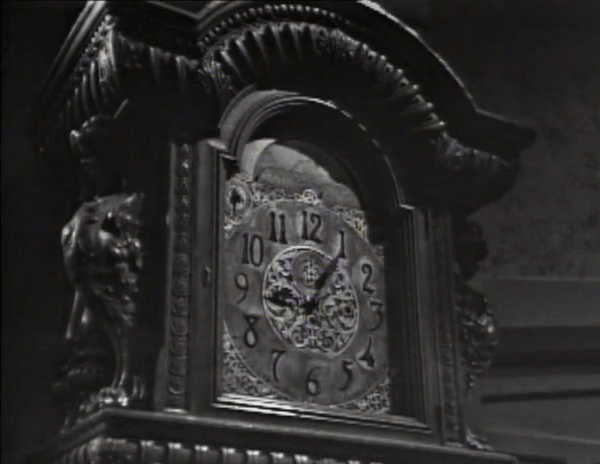
The show wants us to believe that all that shit at the Evans house happened before 9:05 at night.
We are given a glimpse of Liz descending the great house’s great stairs and just when you think she’s going to walk into the drawing room and find, I don’t know, Roger or Victoria or somebody, we smash cut with the kind of abruptness you get when you have to edit five episodes of footage five days before they air.

Carolyn and Joe have come Back to the Blue Whale following the afternoon drive they went on because the sheriff insulted Joe’s masculinity in front of the local alcoholic.
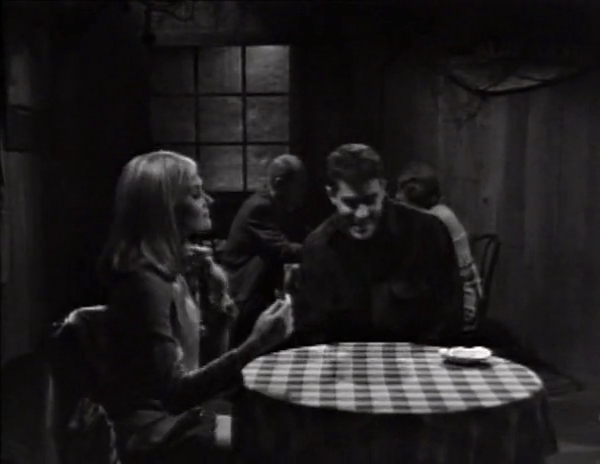
Guess Roger isn’t the only one with fetishes in the Collins household.
Carolyn doesn’t order champagne, however, instead opting for ginger ale. Because she can’t drink, you know. Because she, unlike her boyfriend, is not of legal age. She isn’t even voting age, but I guess there’s no point harping on that since Carolyn has the social consciousness of a mollusk.

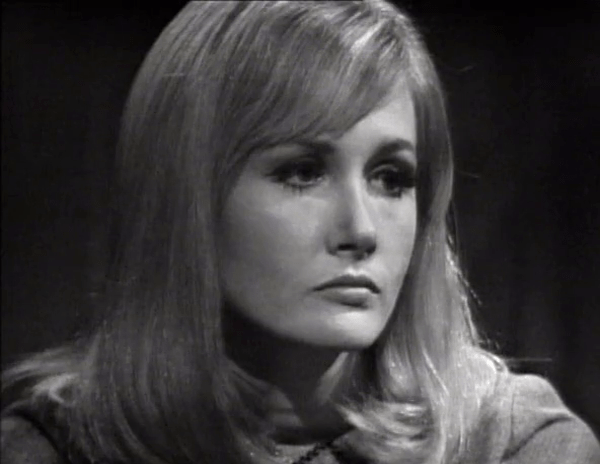
So Carolyn is naturally preoccupied about the whole shocking death thing. Joe, being Joe, immediately begins blaming himself.

He regrets not being able to cure Carolyn’s depression with a drive in the countryside, but not in a pedantic, ignorant way. He honestly seems disappointed in himself that he can’t cheer her up, or get her “to stop thinking of Bill Malloy.”
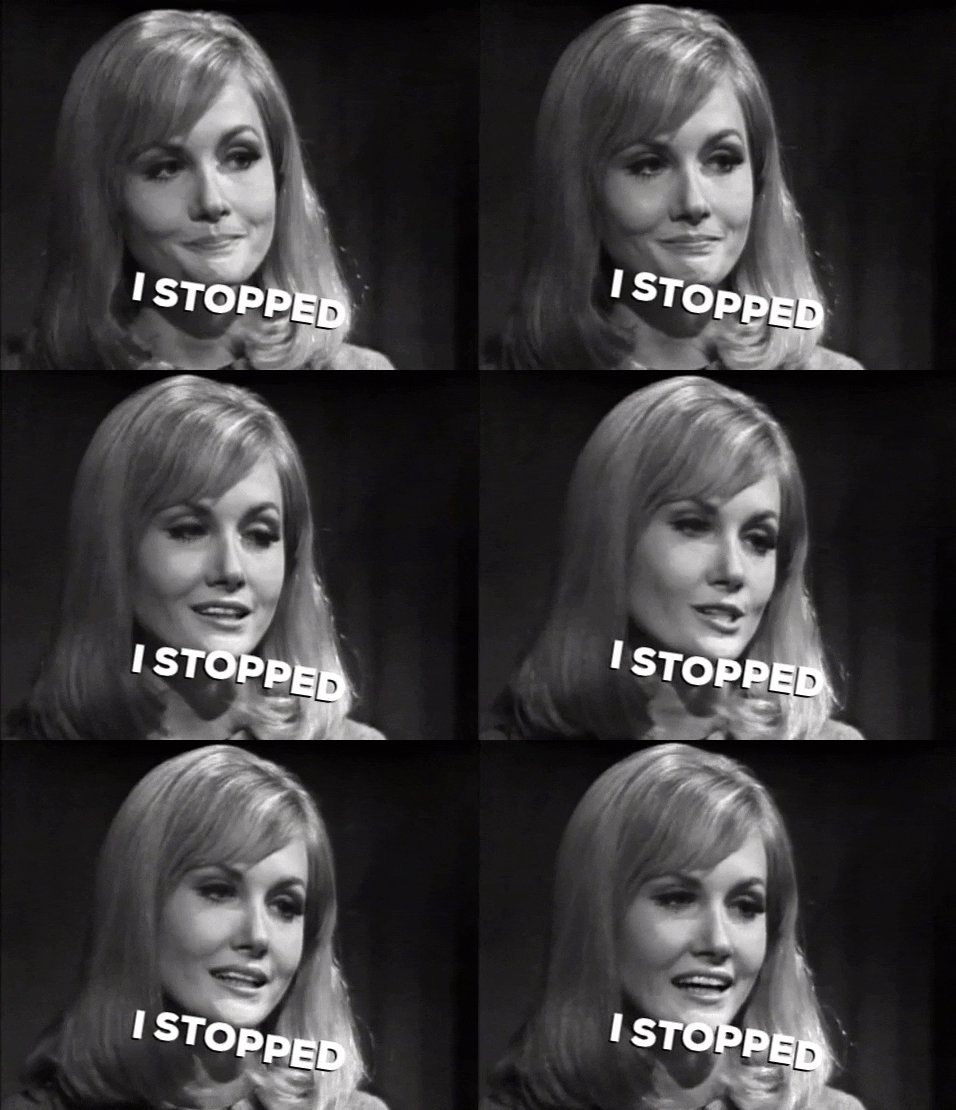
Carolyn is sympathetic to his efforts, but notes that one can’t just shake such a tragedy off. I mean, I know it feels like 1,000 years, but it was only last night that Carolyn saw the body in the water, and only this morning that she learned who it was.
It isn’t just the loss of the man that dogs Carolyn’s thoughts, though, but the mysterious nature of his death. Carolyn, like Burke and David (not that she shared as much with him before, because I guess that would’ve meant relating to him on a human level), can’t help but think that Malloy’s death was more than simple accident.
No haggis, Holmes, you say. And, yes, we all know Malloy was murdered, but part of this song and dance is we have to wait for everybody else to catch on. It’s not necessarily a required part of the murder mystery set-up, but it is here, because somebody decided the soap opera format meant every littlest revelation had to be doled out with a teaspoon.
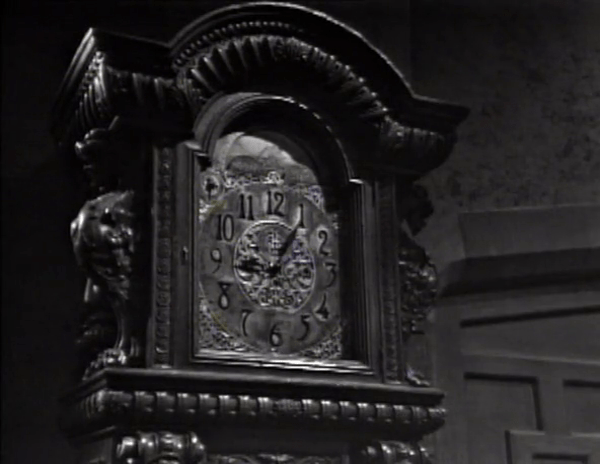
Apparently, all of this happened within a minute. We’re back at Collinwood and Matthew is delivering wood for Mrsh. Shtoddahd’s fire.

Matthew, who has already royally pissed off his boss once today, decides the best thing to do is remind her that thinking of her dead friend won’t change the fact that he’s dead.
We do have it on record, of course, that he doesn’t think very good.
Liz decides to ask Matt a clarifying question, to confirm what he said this morning, about there being no marks on Malloy’s body at the time he pushed it into the sea’s cold and unforgiving embrace. This detail is, of course, very significant, as it heavily disproves the idea that Malloy was murdered, a refutation that would be good news for… Well, everybody, basically. It’s not like anybody is helped by learning Malloy’s death wasn’t an accident. Well, I guess Burke, but that’s only if he doesn’t end up implicated, but it’s this show, and he already is being implicated, so…
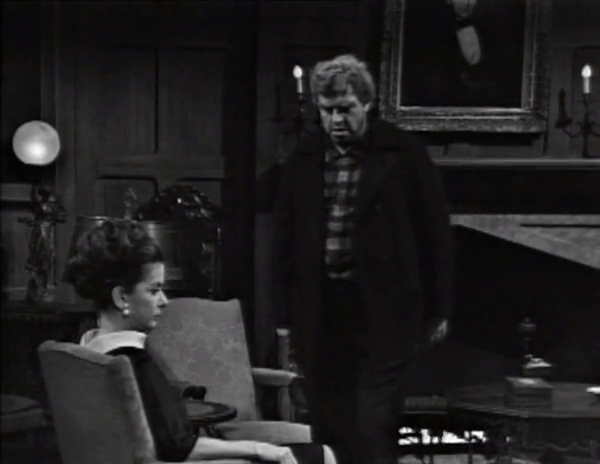
This, obviously, doesn’t mean shit. Matthew has lied before about this very instance. If he lied about finding the body, what’s the difference if he lies about what the body looked like? Obviously, his motivations for these lies would be important, but he is by no means what we’d call a reliable narrator.

Matthew seeks further assurances from Liz, wondering if anyone suggested there had been marks on the body. This isn’t at all subtle, which I guess is expected because it’s Matthew. In any event, he seems to have come down with a case of protesting too much.

Well, obviously, since you’re the reason they almost didn’t. One begins to suspect there has to be more at work here, because Matthew currently seems guiltier than the Scooby Doo villains he quite glaringly predates.
After all, what makes a better red herring than the big, scary, kind of stupid groundskeeper?
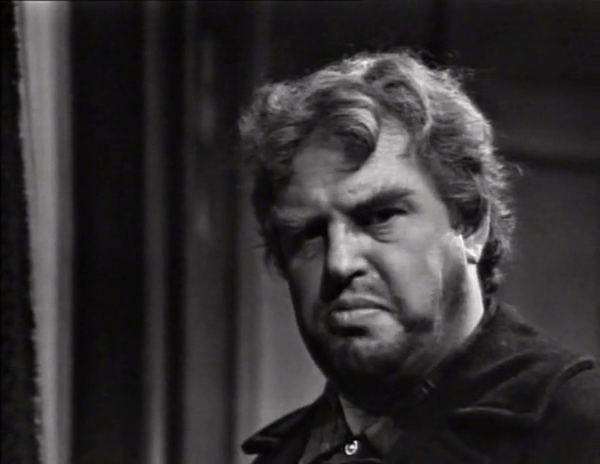
Sure, that tracks.
Matthew suggests the blow to the head evidenced in the autopsy report must’ve occurred after he pushed the body back into the water. We have no evidence for or against this, of course, and Liz seems to understand as much. However, she also knows the absence of evidence will do nothing to stop certain bad faith actors from manipulating this case to suit them.

So, anyway, back to that thing about choices.

This is a mostly conventional episode of Dark Shadows. It lacks the high, Burke-induced theatrics of the previous two and is easily the one out of this 13th week you could most afford to miss.
What it does present, however, is an important shifting of dynamics. Characters who have for the most part been confined to far flung ends of the canvas begin to migrate, the result of significant choices that reframe their arcs and begin to redefine their presence on the show.
Maggie Evans is one of these characters, entering the Blue Whale for the first time in the series run, complete with a styling up-do (with her real hair this time!), as she goes in search of her father who, as far as she knows, is missing and hysterical after literally escaping Burke’s clutches.
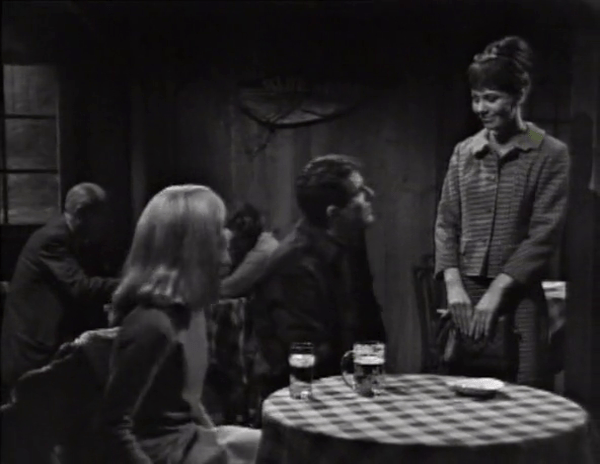
Interestingly, that’s the same thing Burke says to Carolyn and Joe when he crashes their Blue Whale date. That was ages ago, right on the cusp of the suppository story. There, Burke’s role was, as ever, to create chaos for chaos’s sake, disturbing the date to snag Carolyn’s attention and get Joe’s blood hot.
Maggie’s motivations are entirely more wholesome.
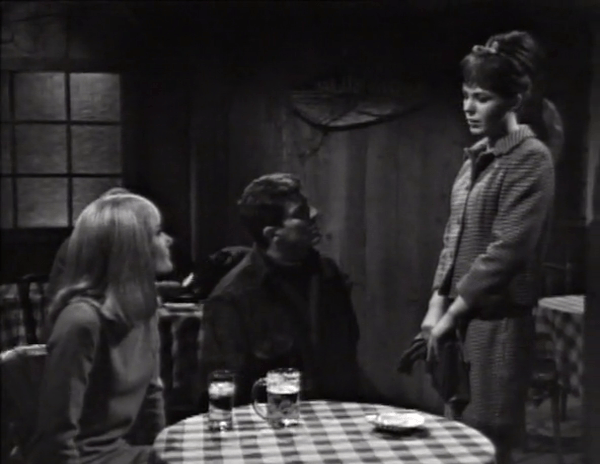
Maggie is shaken to her soul by the accusations Burke made against her father tonight. Vicky’s platitudes were only good for so much, and she is imbued with a desperate desire to know the truth, at any cost: what did her father have to do with the car accident that sent Burke to prison ten years ago?
As we’ve discussed, this is the most Maggie has been given after riding the fumes of this story for 12 weeks. We’re excited for her, even as the looming truths of revelations to come promise to bring nothing good for the character, we still want to see her learn the truth, whatever that may be.
Maggie wonders if either of the young lovers have seen her father and Carolyn is her usual helpful self.
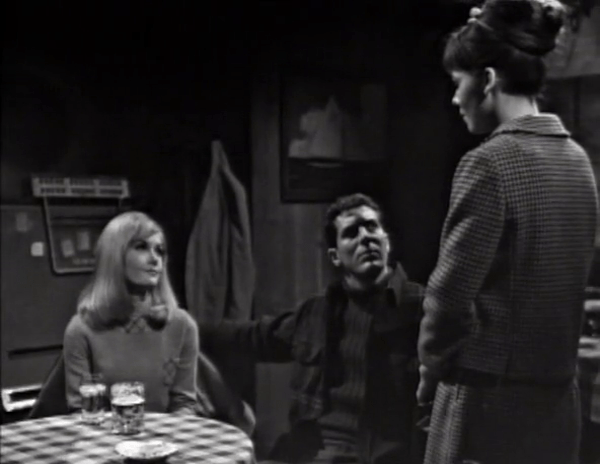
Maggie shows princely restraint by not hurling the seashell ashtray into her face. She also accurately deduces she’s wasting her time with these people and begs her leave, leaving only one message…
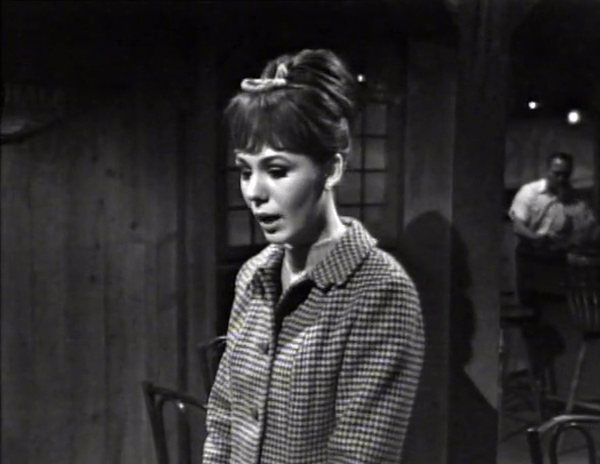
Well, I assume she means, “wherever he came from” recently. Because he comes from the same place we’re in now. But you get it.
Joe, of course, is all to happy to be this message’s standard bearer. Given his most frequent scene partner thinks Burke is God’s Gift, it must be a relief to have an ally in the ever-growing “Burke Devlin Ain’t Shit Society”.
Carolyn, of course, is butthurt that Maggie thinks Burke is mean and wonders what she has against her.
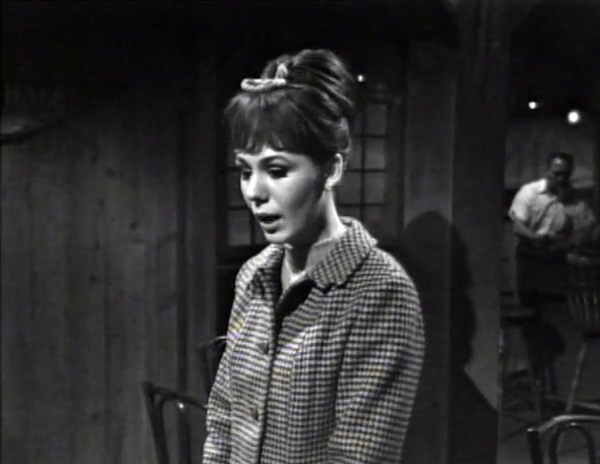
There it is, again! The end of the world. Despite a variation of the phrase being used by Burke in the very first episode, the expression has basically become a Joeism, usually uttered in relation to his increasingly dismal prospects with Carolyn. For him and Maggie both, Burke Devlin’s arrival was, in fact, the beginning of the end of the world, and for both of them, this is because Burke’s presence threatens someone dear to them.
Joe fears losing Carolyn because of Burke. Maggie’s fear is even more striking. It isn’t a romantic rival she fears losing, but the one man she loves most in the world: her father.
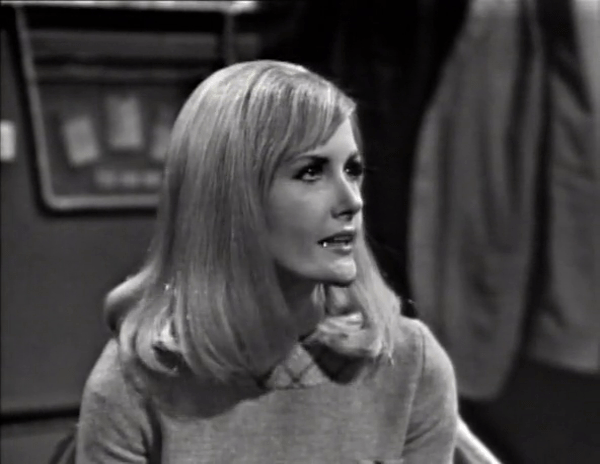
I guess she wouldn’t. Once you taste some of the Devlin’s french fries and pocket his pen, you can’t really think too ill of him.
Maggie attempts to forestall what she sees is Burke spreading salacious rumors about her father around town, basically broadcasting his belief that Sam is connected to the crash to everybody. Maggie tells them these rumors are untrue, without actually saying what they are. This is, of course, counterproductive, but it also doesn’t bear much thinking about because the local rumormill is woefully underused on this show, especially in comparison to other soaps.

The sad thing is, I think she believes it.

And she’s off. She knows what she wants, she knows who she wants it from, and she knows who she must protect.
And she intends to take action. Whereas the beginning of Maggie Evans as a character occurred in Episode 12, this, 51 episodes later, gives us her beginnings as the heroine Victoria Winters could be, but isn’t.
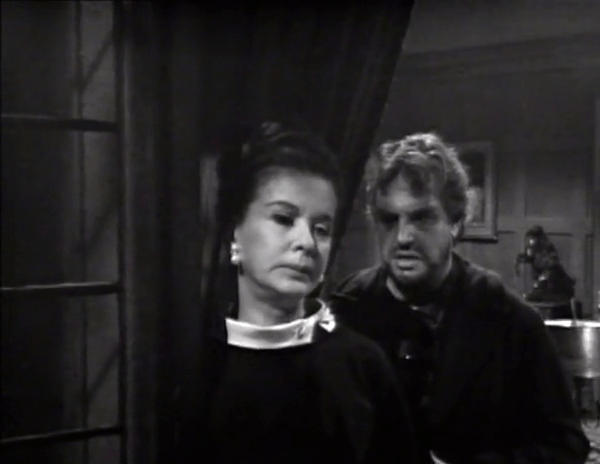
Marm sounds like cute slang for marmalade, but alas.
So Matthew believes Liz is worried Burke will seize upon the fact of Malloy’s death, foul play or not, to slander the Collins name. And those worries are founded, since he is at this moment determined to prove not only that Roger and Sam colluded to send him to prison, but that Roger (even if he’s more or less cleared Sam) is a murderer as well as a manslaughterer.
Apparently that’s not a word. Feels like it should be, though.
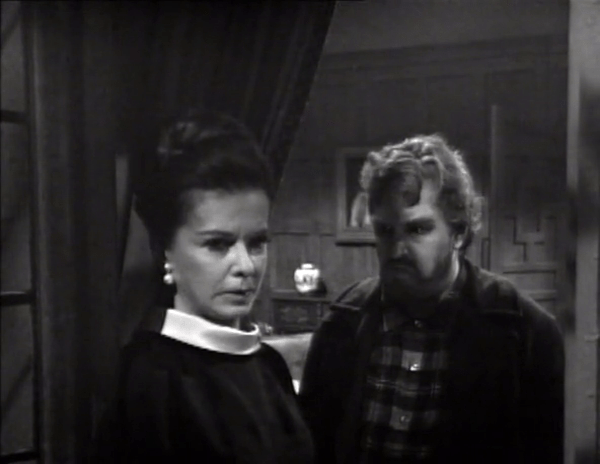
It’s kind of jarring how Liz can do things like help her nephew get away with attempted murder and help her brother lie to the police, all while at the same time being steadfastly opposed to doing anything in the way of reigning in Burke.

This ties in to the question of agency, with proactive and reactive characters. Liz is staunchly reactive. All her major decisions occur to offset the proactive choices (always negative) made by others. She responds to the chaos generated by them. She makes no chaos herself, unless prompted to, to facilitate the already existing power structure of the Collins household.
Roger has frequently called her out on this, of course. And now even her loyal servant Matthew, her biggest stooge, seems to find her attitude lacking.
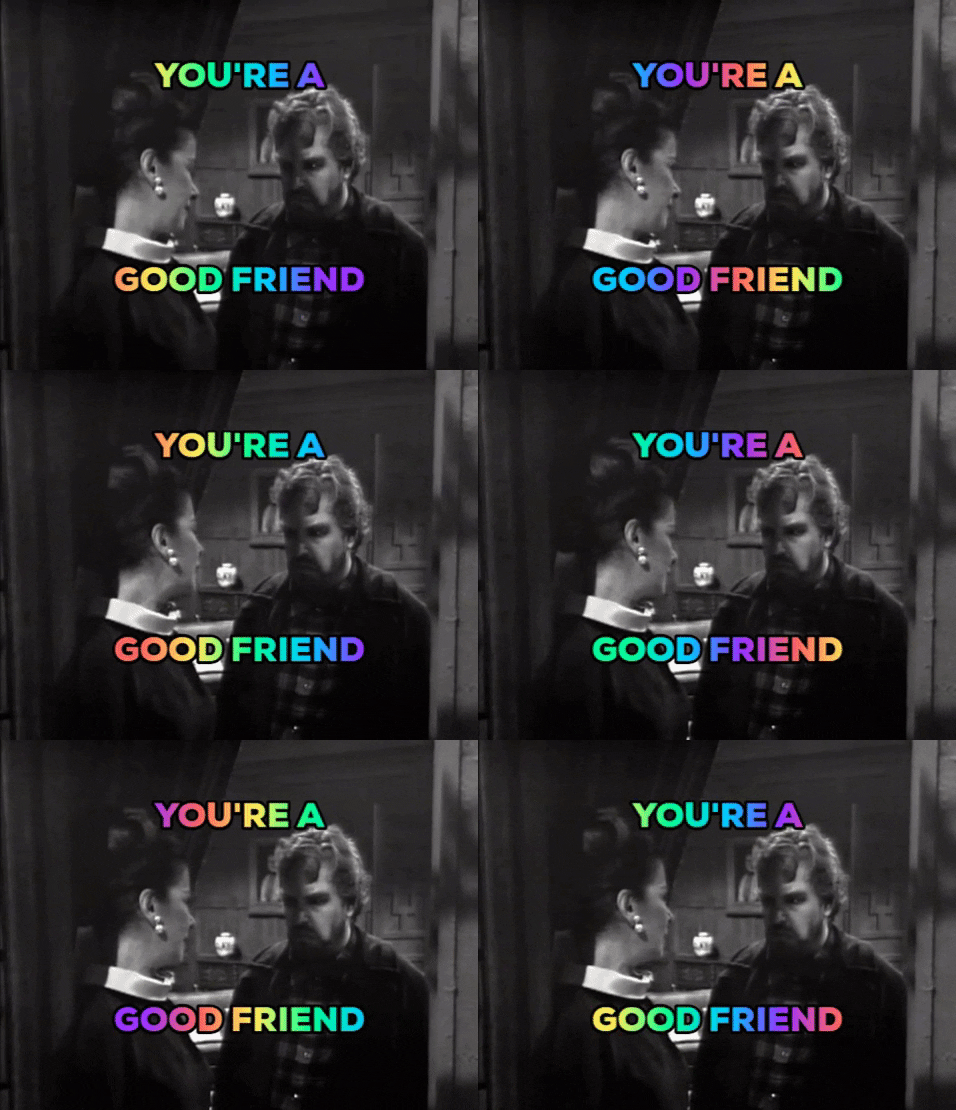
That’s just what she says to him. “You’re a good friend”, like he’s some weird dopey animal. I must again remind you this odd means of address was not present in any of her interactions with Chokey Matthew, but they wasted no time having her use it for Man-Ape Matthew. Make of that what you will, but it was clearly a conscious decision that now has pretexts over two writers who can’t even agree on what day it is.
No sooner is Matthew gone than there is a knock at the door.
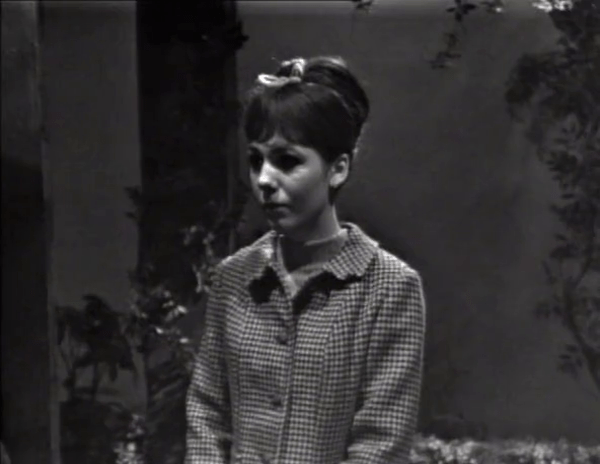
Maggie has become the latest, and the last, series regular to arrive at Collinwood, a place she only three episodes ago expressed deadly terror of. Such is the seriousness of her purpose, the importance of her goal, that has forced her to face her fear for the good of her father and for the sake of the truth.
Maggie has made her choice. And, like so many choices made around here, it has brought her to the great house on the crest of Widows’ Hill.
This is a striking parallel to Sam’s first (to date, only) visit to Collinwood back in Episode 41. Sam also intended to speak to Elizabeth, though he got cold feet and departed with nothing done, in what was generally a pretty piss poor first outing for Francis Swann, but I digress.
Unlike Sam, however, Maggie doesn’t intend to speak to Liz. It’s Roger she’s after. Sam sees enough of that guy in the day to day.
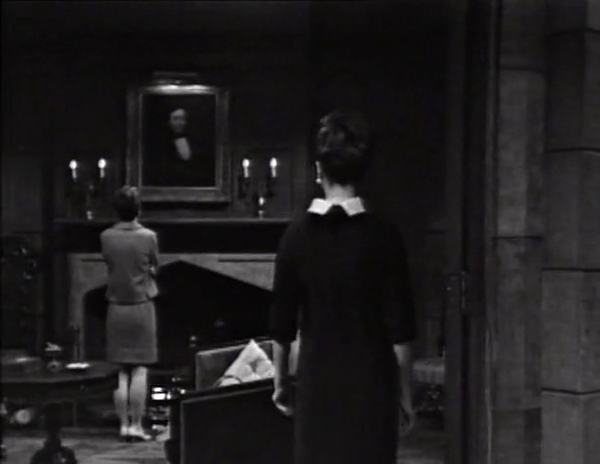
There’s something in how small and out of place Maggie seems in the immensity of Collinwood. Her brashness and take charge demeanor is minimized in the great house. She knows she doesn’t belong here and is cowed by it.
Visually, there are also similarities to Victoria Winters’s arrival at Collinwood. Maggie is led into the foyer by Liz, is cowed by the size of the room, and is later caught by Liz as she observes the portrait of Jeremiah Collins over the mantelpiece.
Are these parallels intentional? Is any of this? We know there are five characters in this episode, and a bar full of extras, so Maggie won’t be confronting Roger.
So why are we here? What are we doing?
Liz realizes that Maggie is Sam’s daughter and, aware of the new associations between Sam and her brother that have come up in the last day, prompts Maggie to explain what she’s doing here.

Maggie underscores the unusualness of her presence here as all the more reason she wants to do what she came to do: talk to Roger.
But this is Dark Shadows, where nothing can be done without half a dozen conversations explaining it first.
Maggie admits she is here about “certain accusations” Burke made against her father tonight, and she wanted to confirm those accusations with Roger. She also says she knows about the meeting that occurred the night of Malloy’s death, and Burke’s belief it was held to clear his name.

As always with Mrsh. Shtoddahd, it appears we’ve reached an impasse. Just as Maggie is determined to protect her neurotic alcoholic father, so too is Liz determined to defend her neurotic alcoholic brother. The central difference is motivation: Liz defends Roger out of duty, but Maggie protects Sam out of love.
The finer points are irrelevant, of course because, in the end, Liz isn’t going to give Maggie what she wants. It’s doubtful if she could even if she wanted to.
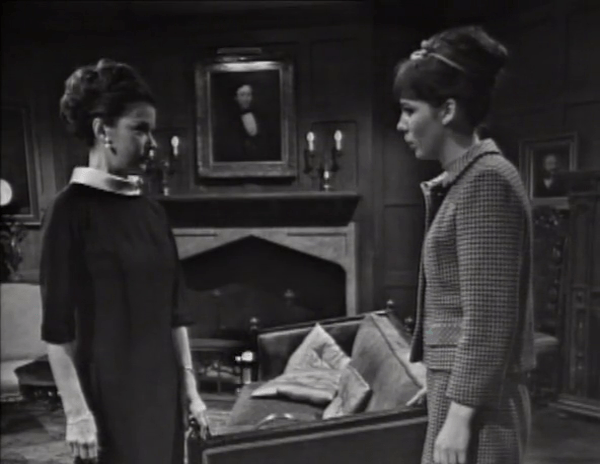
These two women could be allies. Their relations are both implicated in the same crime. For Maggie, it’s absurd that Elizabeth isn’t warmer and more willing to help. But Liz’s entire attitude is laissez faire. She won’t get involved until she has absolutely no choice, and even then it will be in as cold and detached a way as she possibly can. Maggie will have no allies in Collinwood, save for Victoria Winters, and we know what good that is.
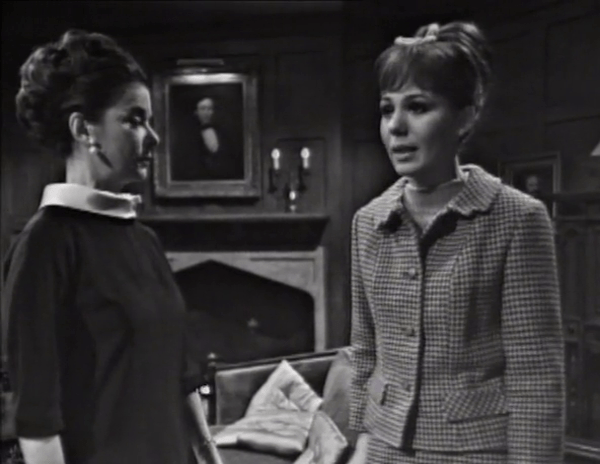
Tough breaks.
Liz finally agrees to fetch Roger for Maggie, an errand that we already know will come for naught. But that’s not important now, because the other guy is gonna make some choices.

So Matthew has decided to go out for a night on the town. Finally, some real horror on this program.
Carolyn points out that it’s weird how the oafish indentured servant has been allowed to go into town, signaling to us, the audience, that this is Important in its Strangeness, and not just random foolery. Just like Maggie’s unprecedented visit to Collinwood, Matthew’s sojourn to the Blue Whale (the character’s second trip from Collinwood since his recast, mind) is different, motivated, and set to have long-lasting ramifications for the character and the canvas as a whole.
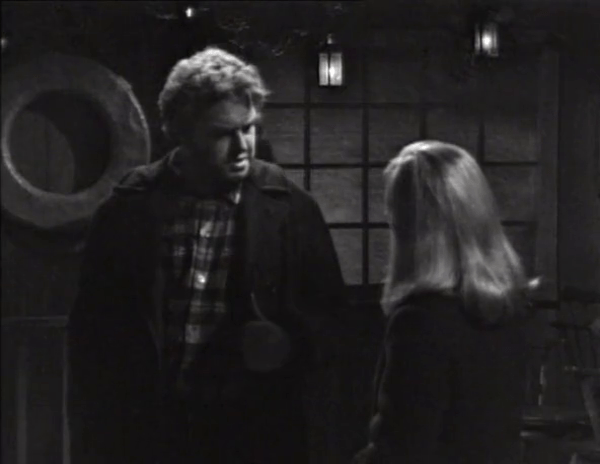
Matthew has Burke on the brain since Liz mentioned him. One gets the impression he, unlike his beloved mistress, isn’t content to sit on his hands about this.
Matthew concludes this odd interaction by giving Carolyn a message for her mother:
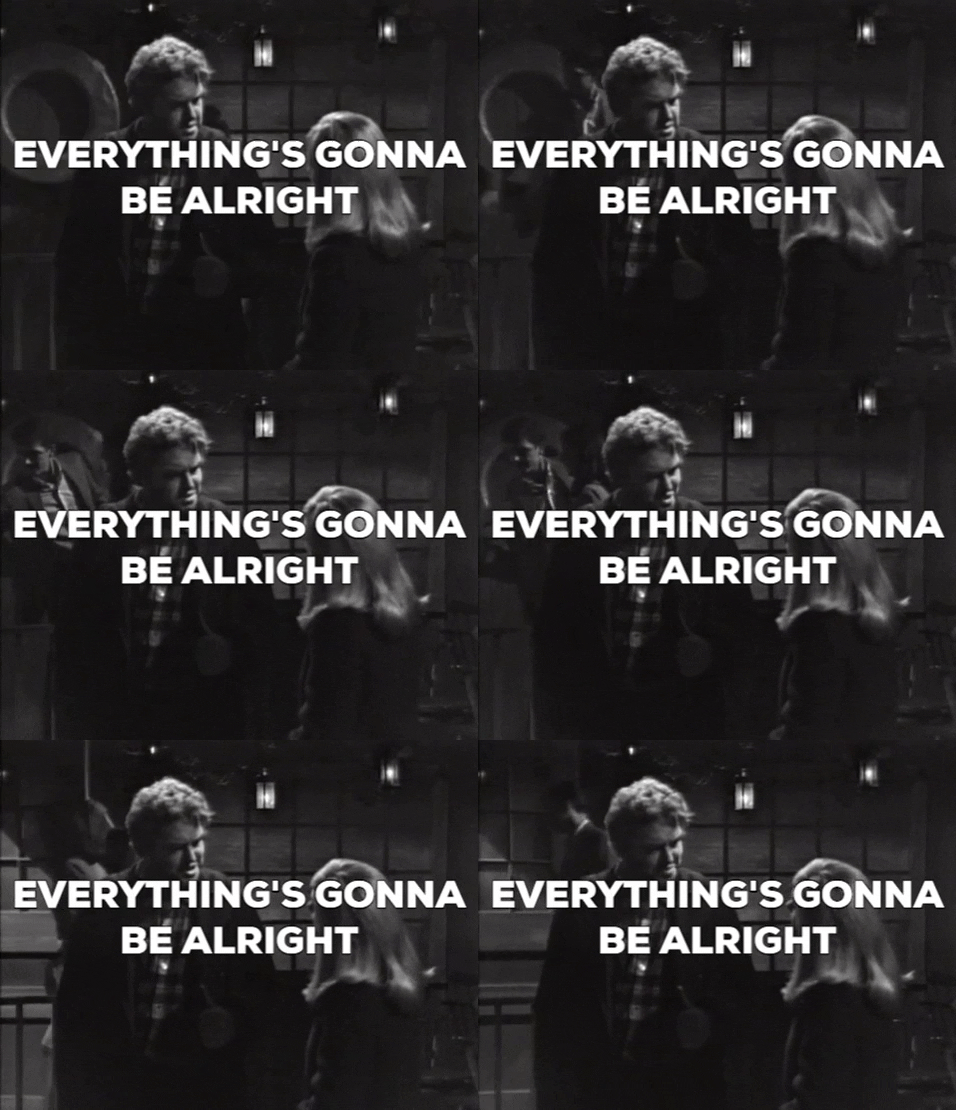
Carolyn, naturally, is curious and wants to know what he means. Matthew tells her: “Bill Malloy, Miss. The whole business.” Which I’m sure is very enlightening.
Joe returns from doing his boyfriendly duty and paying the check, but before the couple can bow out for the night, Carolyn ropes him into the best unexplored personal life of the family slave.

I take it we’re supposed to believe in times when Matthew isn’t “strange”. Sure.
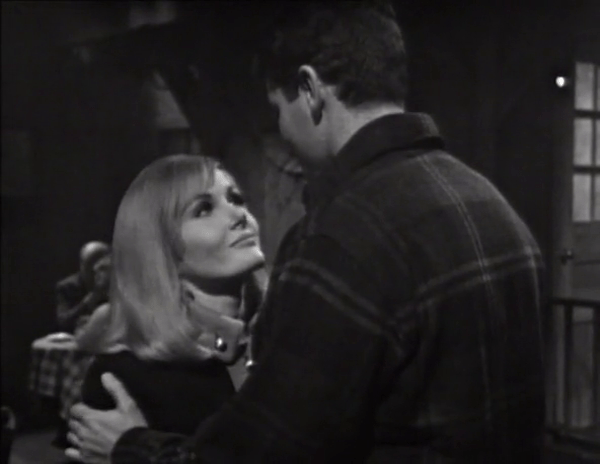
I take it we’re supposed to believe Carolyn has friends outside the guy she’s blue-balling and the girl her mother hired last week.

So we come back for Act IV, and now the slow, beautiful Blue Whale music is playing, and Matthew is still sitting there as this romantic, wistful jukebox tune is playing and it is the weirdest goddamn thing.
Carolyn and Joe return, literally moments (for the contemporary audience, one commercial break) after leaving, because Carolyn insisted they find out what’s up with Matthew. I like to believe she waited until they were halfway up Car Crash Hill before demanding Joe turn the car around.
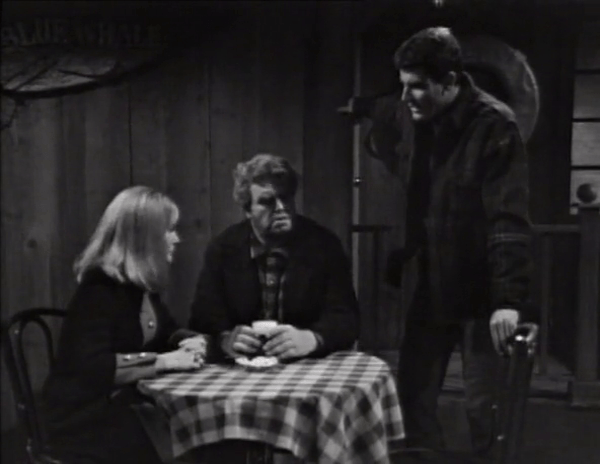
Carolyn asks Matthew what he wants with Burke, confirming to us the exact reason she cares about any of this in the first place.
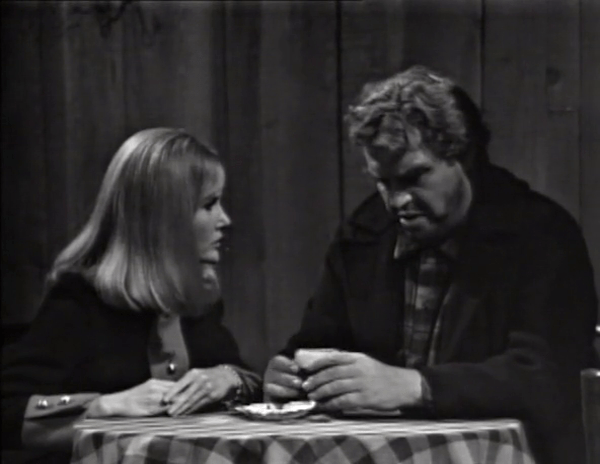
Matthew’s purpose, he insists, is to “keep trouble from” Elizabeth. Given the ways he’s already done this, Carolyn is correct to be concerned.
Matthew is able to get Joe as invested as Carolyn by noting Burke will no doubt attempt to make trouble for the Collinses out of Malloy’s death.

This refers to Thayer David’s first episode as Matthew, way back in Episode 38, when the Bill Malloy story, if it was thought of at all, would only have been in its earliest stages, not even plotted to script yet. It’s unclear what role the newly recast Matthew would play in the narrative, but immediately we were given a rougher, more violent iteration of the character, with him actively threatening to kill Burke if he continued making trouble for the Collinses.
Now, all this time later, it seems that Matthew might finally have cause to follow through on that promise.
Matthew even goes so far as to implicate Burke in Malloy’ death.
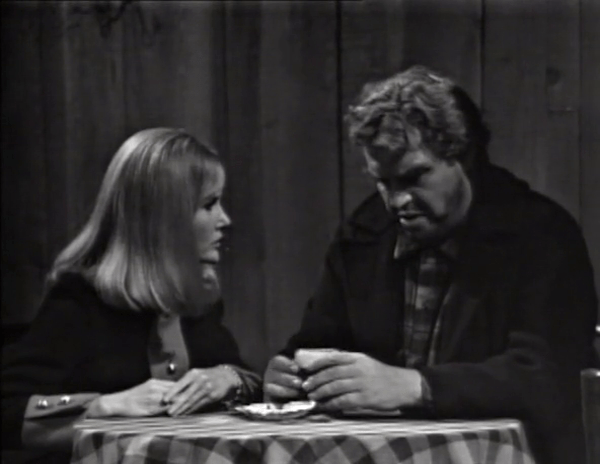
Carolyn, naturally, doesn’t believe this, but Joe’s always looking for new reasons Burke Ain’t Shit and gets excited, noting that Carolyn herself was unsure that Malloy’s death was an accident only moments ago.
Carolyn presses Matthew for more information, but we’re in the last three minutes, so he doesn’t surrender anything.

Liz tells Maggie Roger isn’t around, surprising nobody and basically rendering Maggie’s momentous visit to Collinwood moot in every way outside of her own character development which, indeed, is nothing to scoff at in the greater scope of things.
Maggie resolves to come back another time and Liz doesn’t stop her outright, instead opting for a sort of soft dismissal.
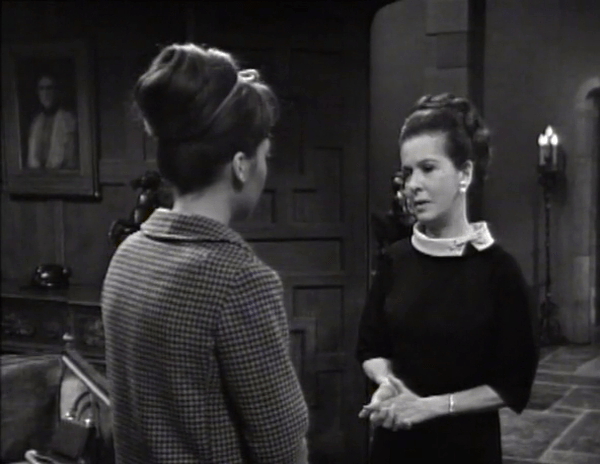
Liz then makes it personal, saying that if Maggie truly loved her father, she’d take his word for it and believe him, which is clear projection of how she deals with her own dysfunctional family crap.
What she’s saying, basically, is that Maggie might as well live with the status quo for the collective good. It’s worked for Elizabeth all this time, why not Maggie? But Maggie clearly isn’t content to abide by Liz’s philosophy. Her conscience still works.
Liz gives Maggie some words of warning just as Carolyn returns.
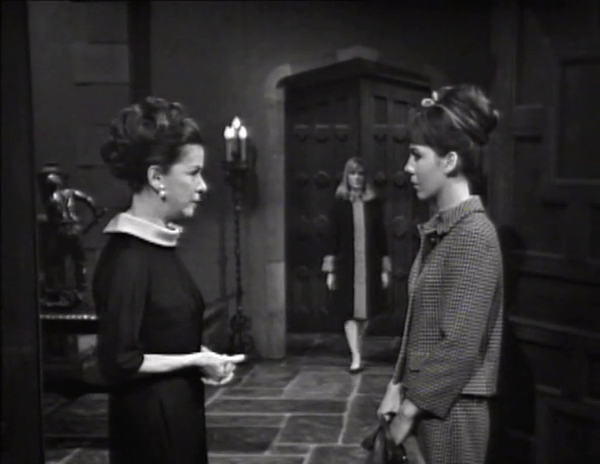
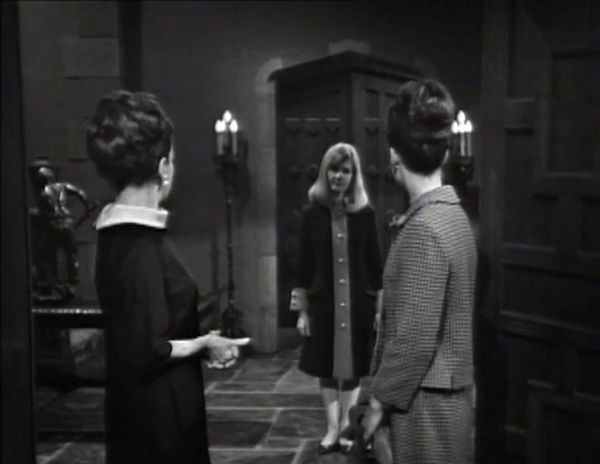
Time for a whole lot of time to be divvied up to that statement, divorced from any outside context. Fun.
This Day in History- Wednesday, September 21, 1966
The beginning of autumn saw the U.S. Senate fail in approving an amendment to the Constitution that would’ve allowed prayer in public schools. I’d like to say this was an open and shut case, but recent events have proven me too naive.
 Kooks of Collinwood