
It is, for only the third time in 38 episodes, the sunshine side of morning.
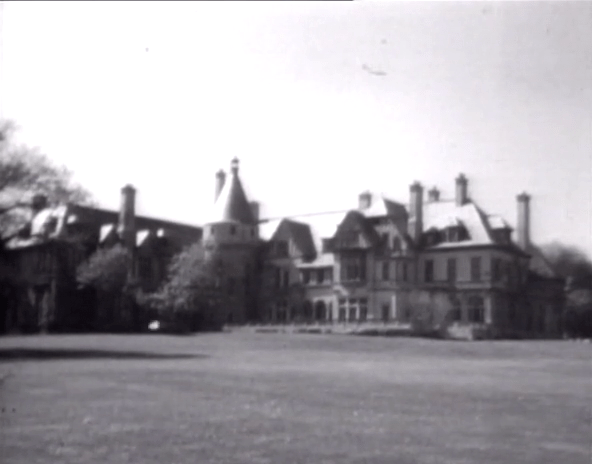
Vicky refers, of course, to the second occurrence of the Weeping Woman of Collinwood, an incorporeal (as far as we know) specter that local legend would have it is the spirit of Josette Collins, the immigrant wife of Jeremiah, who built Collinwood as a legacy to her and whose status as an outsider in an insular American community led to her suicide 130 years before our story’s opening.
Vicky first heard the Weeping Woman in the predawn hours of her first evening here. The search turned up no clues, and the next morning those she brought the matter to (Carolyn and Roger) denied having heard a thing.
After this, not much of anything ghostly happened for a very long time as we all were made to contend with the saga of a young boy who sought creatively anal means to murder his father. There was a near miss near the end of the infamous (to me, I guess, and you if you’ve suffered through this blog for this long) suppository saga wherein Vicky glimpsed a weird shadowy figure in between intermittent flashes of lightning. This figure was clearly portrayed by Louis Edmonds, and may have been Roger, though Roger himself denied standing in the foyer for no reason but to scare her, and well he might.
But later that same night, technically in the predawn hours of this morning, the Weeping Woman made herself known again, and Roger admitted having heard her too, having heard her all his life. What does this mean about Carolyn? Can she hear the crying ghost? What about Liz? David claims to hear the ghosts of the “widows”, the women who waited for their husbands to return from the sea on the crest of the hill named in their honor. If he really does hear those ghosts, might he hear this woman too?
Or does she only make herself known at certain times, to certain people? Dark Shadows is leaning more and more heavily into its gothic underpinnings, and eventually the lingering hint of the supernatural will be considerably more than just a hint.
But that’s still a while away. We’re still in a readjustment period of the show, in which Dan Curtis had to take drastic measures, not for the last time, to bring up his dream’s ratings as they entered the latter half of Dark Shadows’s initial 13-week episode order.
We’ve already seen attempts to reorient things on Vicky’s search for her past, even if we still didn’t learn anything, at least they were talking about it. Carolyn and Joe’s relationship trouble has become a focus again, as has the budding relationship between Victoria and Burke. The return of Sam Evans, delightfully played by David Ford has interjected life into both the character and all those with whom he interacts. And now the return of ghosts, or things that seem like ghosts, are a welcome hearkening to a time when we could have convinced ourselves this was a show about a haunted house and not a piece of metal.
Part of this supernatural visitation included the return of the basement, and the mysterious locked door inside it. It was here that Vicky traced the mysterious sobbing, and it is here that she returns again…
It’s Matthew Morgan!

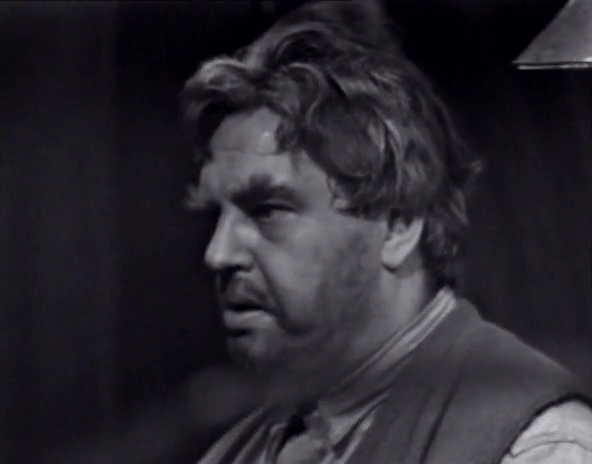
Granted, he’s put on some weight, and some inches, both in the height and brow department. And he now speaks like Rubeus Hagrid with several concussions.
So we haven’t seen Collinwood’s crotchety groundskeeper since Episode 16 at the very start of the suppository saga. He’s been mentioned quite a few times since then, having been enlisted in the search for David and then thrown under the bus by Liz when she lied to the Consteriff that Roger’s car crash was an accident caused by Matthew’s carelessness, which was particularly galling since he’d told Vicky in his second (and second-to-last) appearance that he always made sure to take good care of all the brakes at Collinwood following a near death experience of his own.
That Matthew was a stoop-backed old curmudgeon played by character actor George Mitchell. Compared to fellow early episode casualty Mark Allen, who outlasted him by just over a week, Mitchell did a good job, but this wasn’t enough to save him.
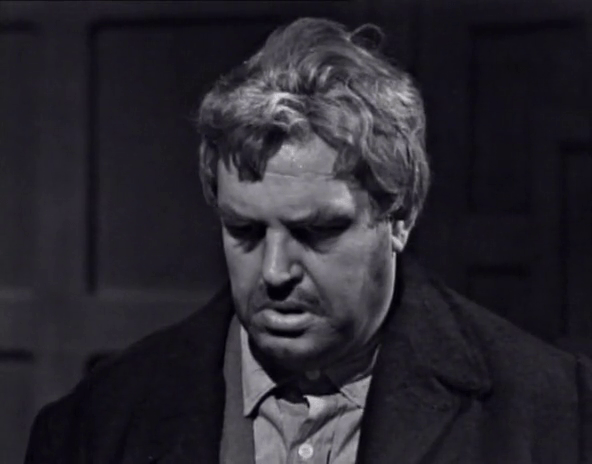
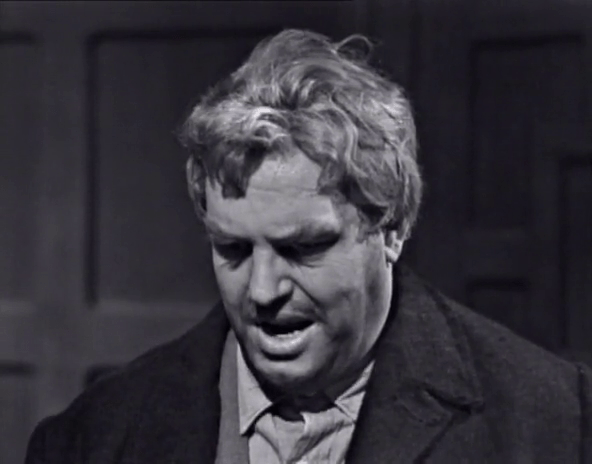
Enter Thayer David. Like Dave Ford, David (this is gonna get confusing; let’s just call him Thayer) was a born and bred theater personality, classically trained and he even had a Harvard education. God knows why they decided to cast him as the groundskeeper, but they did and now here he is, face slathered in makeup that has given him weird caterpillar eyebrows and an inconstant five-o’clock shadow that ends just short of his sideburns.
Just as Dave Ford transformed Sam Evans into a very different type of person, so too does Thayer David transform Matthew Morgan. Now, we had very limited exposure to Matthew compared to Sam prior to the recast, but it’s obvious from the beginning that we’re dealing with a very…Cro-Magnon approach here.
For one thing, George Mitchell’s Matthew was capable at least of forming cogent sentences, but Thayer David’s diction demand he speak only in broken fragments that make liberal use of his nose.
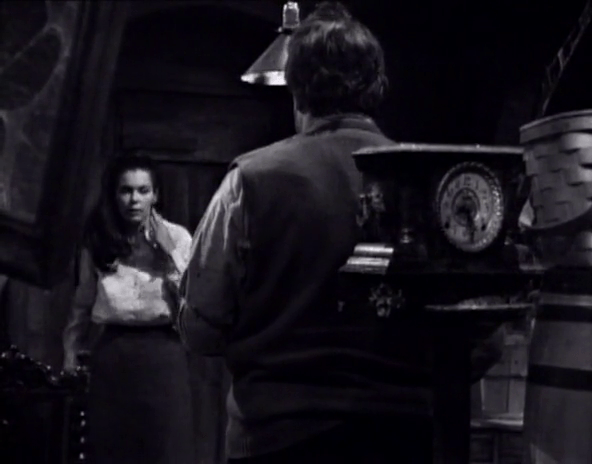
I should also point out that Matthew and Vicky’s basement meet-up here is Xeroxed from Vicky and Matthew’s first meeting. Victoria wanders into the basement, approaches the Mystery Door, Matthew descends the stairs behind her and startles her…
As with the first instance, she is here because of David, not looking for him though, but rather looking for The Rover Boys adventure books Liz told David in that same episode had once belonged to his father. David had no interest in them then and it’s unclear why he’d suddenly be interested now, so it seems reasonable to conclude he sent Vicky on this errand for the sole purpose of getting her caught.
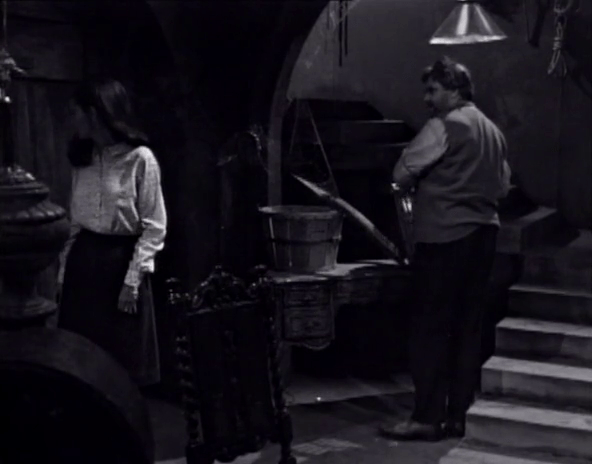
Matthew, naturally, doesn’t take much stock in reading nor, we can imagine, ritin’ and rithmatic.
It’s unclear just why this scene so closely copies an earlier one. Were they afraid we wouldn’t figure out this giant lummox with the speech impediment was Matthew, despite Vicky very loudly exclaiming “Matthew!” when she first sees him, presumably so we wouldn’t make the natural assumption a strange giant had broken into the house and was about to enact horrors?
As a matter of fact, ABC announcer Bob Lloyd doesn’t even announce Matthew’s recast over the titles, the way he did with Sam. Perhaps because we already saw Matthew in the teaser so it would be pointless, or perhaps because Matthew was seen as more peripheral a character that we could more easily have forgotten about.
Sadly, I forget nothing.
Matthew urges Victoria to come upstairs with him because “Mrsh. Shtoddahd” wouldn’t like her alone in the basement.

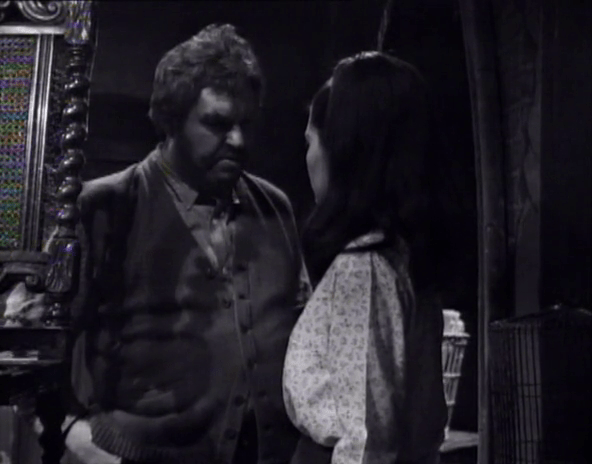
Ooh, child. He knows what Mrs. Stoddard wants.

Which brings us back to the haunting question of the storeroom. Naturally, Vicky is unable to contain her curiosity and asks Matthew if he believes in ghosts and, given he appears to have walked out of a B-horror movie, the answer should be quite obvious.
Victoria asks if he’s ever heard the sobbing…
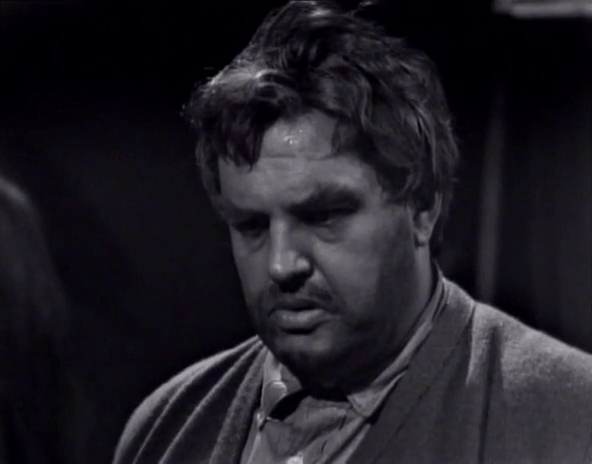
Oh yeah. Her. Matthew’s never heard the Weeping Woman before, but only because he makes it a point to never hang around Collinwood too late at night.
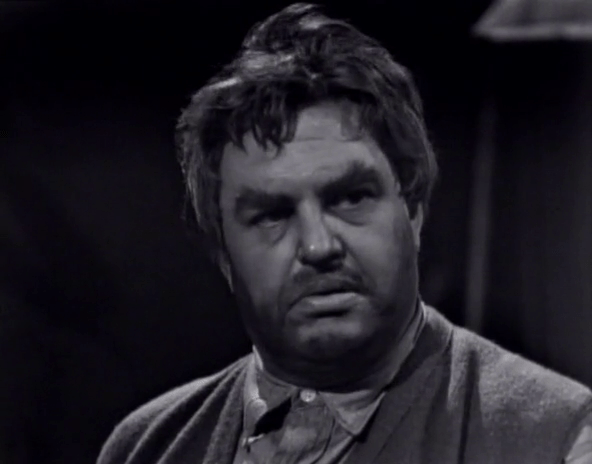
I wholly believe the reinvention of Sam Evans via recast was a complete accident. David Ford was just that incredible. Here, though, it is obvious that they went into the Matthew recast with very different ideas of what they wanted to do with him compared to when we law saw him 22 episodes ago.
And I make fun (I always do), but Thayer David sells it. It’s a ridiculous product, but it’s not the worst one we’ll be served, and it’s hella more novel than the suppository.
Vicky tells Matthew about her two encounters with the Weeping Woman.
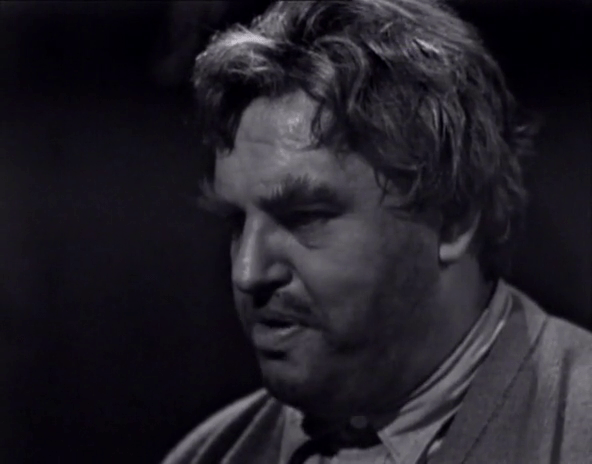
Sad. I was hoping they could become Ghost Hunters together. Bond and stuff. Victoria remains curious about the contents of the locked storeroom and, predictably, just as in their first meeting, Matthew loses his shit…

Ah, but we were all different people then. The central way in which Matthew remains the same, however, is this: irrational loyalty to a career sociopath.
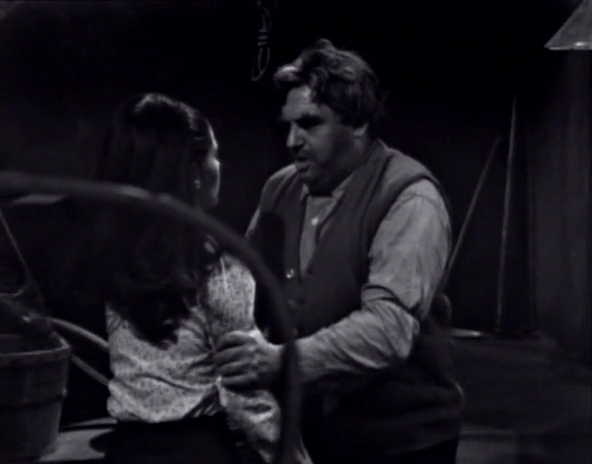
Perhaps you think I’m going a bit far describing Elizabeth as a career sociopath, but have you been watching the last eight or so episodes? Begin with her coolly covering up the attempted murder and work your way forward.
And, again, just like the first iteration of this scene, things are diffused when Liz herself calls downstairs..

…why? To line bird cages? I once found a copy of the Daily News from 2004 in a box of screwdrivers and I became so horrified with the realization of my mortality that I hurled it into the trash. Who hangs onto multiple old newspapers?
I think the only reason they extended Thayer David’s brow with makeup was so they could get the shots Louis Edmonds’s face allowed them to get naturally.

And for God’s sake, girl, use your vacation days. They don’t give a damn about you at this place anyway.
Down in Collinsport, Dark Shadows would like to remind you that, while it may be remembering to be spooky, it has never forgotten how to be creepy.

Burke Devlin has had quite a showing recently. He got to befriend his worst enemy’s son (who may actually be his son), avail himself of being thrown away for attempted murder in fabulous fashion and go on a date with a much younger woman, only further inflaming the still younger woman who claims she isn’t interested in him, but who also can’t trust her Silly Womanly Powers from getting the best of her whenever she’s around him.
Carolyn told Vicky as much when she confronted her about Vicky’s dinner with Burke, which Vicky insisted meant nothing, all while not revealing that Burke told her to her face that he doesn’t really care about Carolyn. Vicky could’ve given Carolyn a lot of fuel there and created a lot of soapy chaos, but alas, then we wouldn’t be able to hear these two talk about Bell’s Literary Classics.
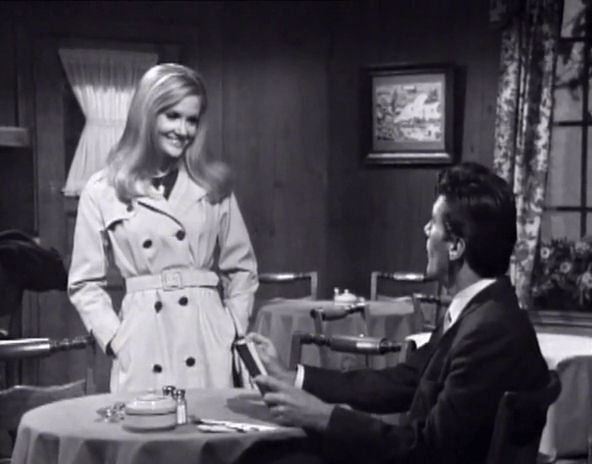
Geddit? Because he’s FULL OF MYSTERY.
Sometimes it hits me that “Queen of Crime” Dame Agatha Christie was alive during all of Dark Shadows’ run. She lived through the entire original series of Star Trek. She saw the moon landing!
Sorry, that was a tangent, but it really goes to show how we pigeonhole people into spans of, like, one or two decades contingent wholly on their level of influence.
We get double the funny man-speak for our trouble today.
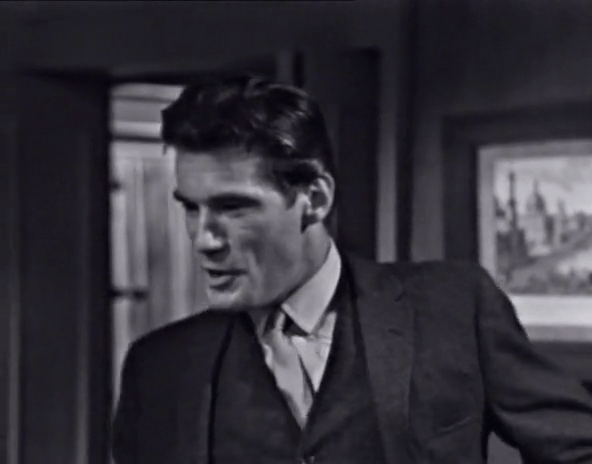
I hate myself, but I’ve missed him.
Carolyn, who is very Uninterested in Burke, wonders…
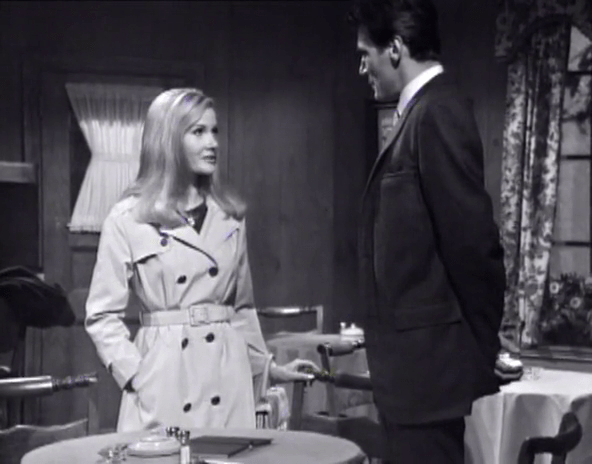
She brings up his dinner with Victoria as if to rib him and this delightful crag can’t believe his good luck.
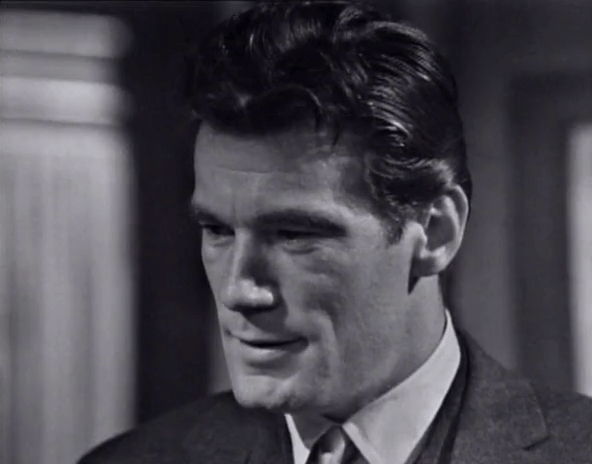
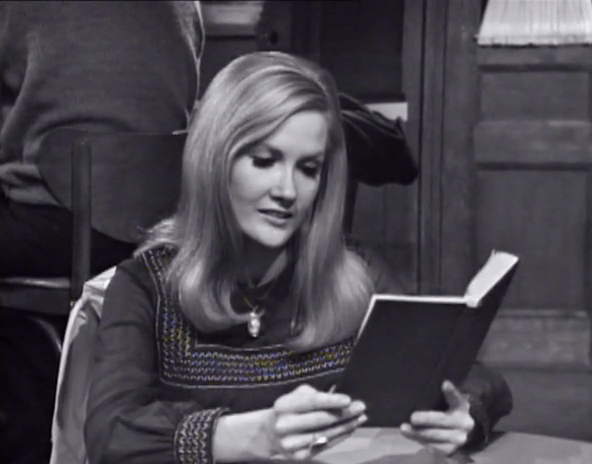
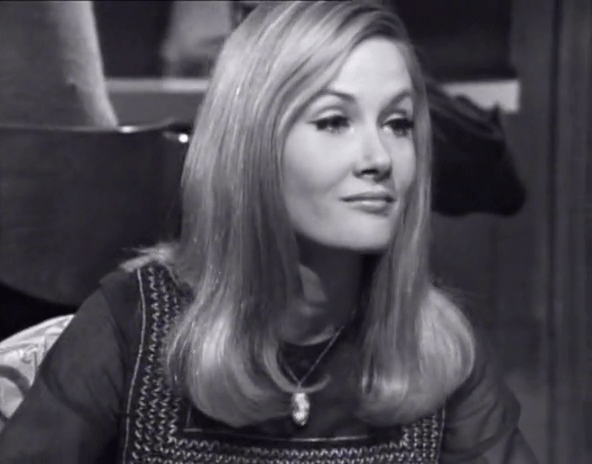
Carolyn sits opposite Burke and immediately notes the book he’s reading…
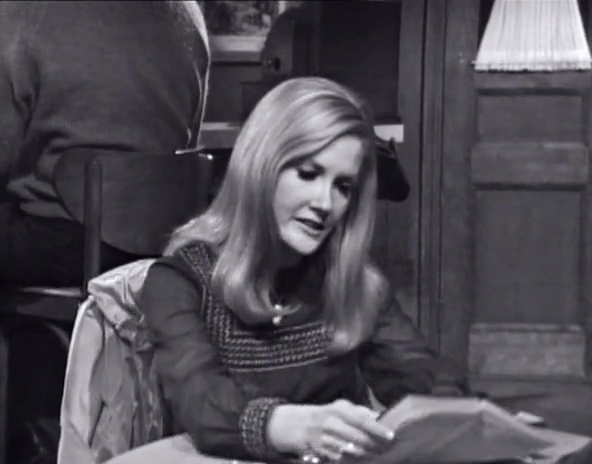
That’s how we held books in the old days.
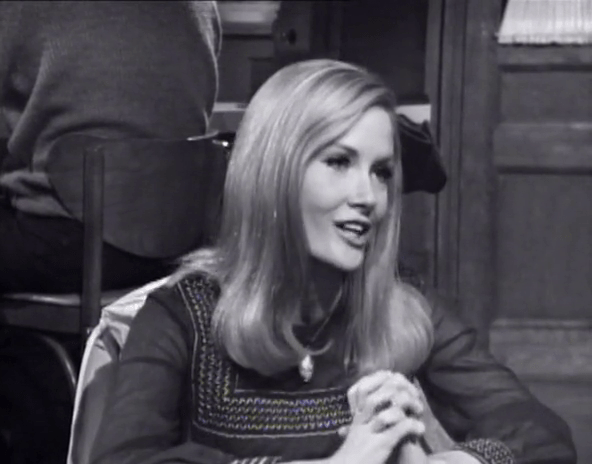
The deterioration of the American Educational System has ensured that, by 2020, not even they do!
But…uh…yeah. The Count of Monte frigging Cristo, by Alexandre Dumas, of Three Musketeers fame. The book is a fixture in the literary consciousness, but I do think the Wikipedia entry for it gives it a little more credit than it deserves:
“The Count of Monte Cristo has become a fixture of Western civilization’s literature, as inescapable and immediately identifiable as Mickey Mouse, Noah’s flood, and the story of Little Red Riding Hood.”
You should automatically be suspicious of anyone who thinks “Noah’s flood” and “Little Red Riding Hood” are equal tentpoles of the cultural nexus, but the dude the article quotes writes for The New York Review of Books, so there’s not a high critical standard in place.
What is the Count about, hm? Why would it be chosen as the book we find Burke Devlin reading?

You know how, in fiction, there’ll be a villain named Lucifer, or Beelzebub, or Darkstar or something, and you can tell the writer was pleasuring himself to climax for being so clever to name his antagonist after a mildly understood evil force in the cultural canon? Yeah, it’s fairly commonplace, but how often does one of the characters in the story exclaim “Your name is SATAN! Like SATAN! You fiend!”
Like, it’s generally understood that the clever naming is for us in the audience, and that it being explicitly pointed out in the text dilutes the point of the allusion
From Dark Shadows itself, we have Jane Eyre, the 19th century literary standard Dan Curtis and Art Wallace pulled Victoria Winters from. The pieces that comprise Vicky’s story are clear allusions to the Bronte novel but they’re never said.
This, of course, didn’t stop Vicky from randomly comparing her life to another, less fitting 19th century novel (“Sounds like East Lynne, doesn’t it?”), but this here is far more egregious because it comes off less as Art Wallace saying “Aha! Burke is like the Count of Monte Cristo” and more “Hehee! I liberally ripped off The Count of Monte Cristo and I’m afraid you idiots in the audience don’t understand that so I will spell it out for you and you will see just how clever I have been.”
Carolyn literally explains how the connection works.

But…just how similar is Burke to the hero of Dumas’s novel?
Let’s discuss!
We grant that Burke is Edmond Dantès, the protagonist. Like Dantès, Burke worked on boats as a young man, a fact we will have confirmed in only a few episodes, so it was already percolating at the time this script was written.
Like Dantès, Burke has a love affair with a woman (Laura Collins; Mercédès) but, before he can marry her, is falsely accused (vehicular manslaughter; treason) by a rival for the woman’s affections (Roger Collins; Fernand Mondego).
On a crucial piece of evidence (Roger’s testimony; Mondego’s anonymous letter) Burke is imprisoned.
An old acquaintance (Sam Evans; Caderousse) has the power to clear the hero’s name but does not. He also happens to be an alcoholic.
Like Dantès, Burke is sent to prison where, unlike Dantès, he presumably makes no friends that we ever hear of. He leaves prison. Crucially, Dantès escapes, whereas Burke just gets out on good behavior because Art Wallace has a pathological fear of making him do anything cool.
In this time, Dantès and Burke become educated, cultured, and plan a course of revenge against the men who wronged them.
Both Dantès and Burke become wealthy in foreign lands (Dantès in “the Orient” and Burke in “South America”, their respective eras’ havens for Western pillaging).
Because he isn’t a fugitive, Burke has no reason to assume an alternate identity when he returns home, as evidenced by the fact that his name has, since the first episode, been almost a spiritual invocation, as commonplace as the phrases “By Jove!” and “Mother have mercy!”
Within the narrative the show has very slowly given us to this point, Dantès/Burke has reunited with Caderousse/Sam, who is poor and malcontent, wracked with guilt over what he has done. The diamond Dantès gives Caderousse can be seen in the portrait Burke commissions, with the only significant difference being that Burke does not yet know of Sam’s role in the conspiracy against him.
Burke/Dantès has begun plotting to buy the debts of his former employer the Collinses/Morrel, though it seems unlikely he will attempt a scheme to the extent that Dantès does.
Burke/Dantès strikes up an unlikely friendship with David Collins/Viscount Albert, the son of his love and his rival. In a slightly more creative interchange from the novel, Burke/Dantès “rescues” the boy in a looser sense, by not outing his complicity in the suppository scheme to clear his own name and letting Elizabeth handle that part for herself.
We haven’t gone far enough into the novel for all the incest and murders and betrayals yet, but I think I can safely say that Burke Devlin wasn’t “inspired” by Dumas’s story in the way Victoria Winters was inspired by Jane Eyre. Rather, it has been ripped wholesale from the pages of the novel, but with all the saucier parts removed.
This shouldn’t be surprising. Dark Shadows will rocket into the cultural consciousness in 172 episodes for a storyline that’s basically a watered down adaptation of Bram Stoker’s Dracula. Ripping off 19th century literature is the show’s stock-and-trade. I think the only reason this Count of Monte Cristo thing is so galling is because they not only rub our noses in it, but refuse to really commit to it in any way. Sure, Burke is like the Count. His backstory is basically the same as the Count. But where that story has twists, turns and more intrigue than even Gloria Monty could squeeze into an episode of General Hospital, Dark Shadows has given us nothing short of ephebophilia.
We return to Collinwood where Liz presents Matthew with a grocery list, because she never leaves the house, Roger’s “injured” and Carolyn can’t be bothered to tend to the basic needs of the household. Liz admits she’s been neglecting some of her usual responsibilities the last few days.
Or since her brother was almost killed. I mean, really.
The Count also doesn’t have to deal with his rival’s inbred slave, so points I guess.
Matthew also erroneously ascribes Roger’s crash to Burke, meaning Liz hasn’t told him about the coverup, nor how she blamed him for the brakes malfunctioning, which I’m sure won’t make for any potential awkward interactions with a certain badge-wearing mustard hater.
Perhaps remembering this, Liz pulls Matthew aside before he can go and tells him the story of who was really responsible.
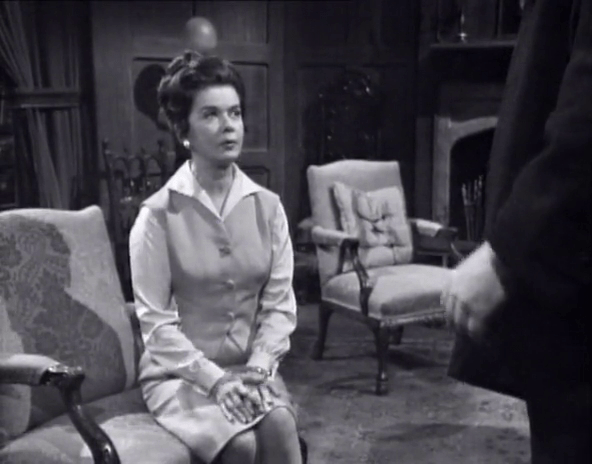
Elizabeth is a fascinating character, as much as she is an infuriating one. Her refusal to tell Victoria anything she knows about her, her cageyness when confronted about the hidden mysteries of Collinwood, her machinations to have Carolyn married off “for her own good”, her zealous, even harmful drive to protect her family from scandal, even to the point that it involves throwing the guy who openly says he owes his entire being to her under the bus.
It’s actually kind of heartbreaking how Matthew stands there and listens to Liz explain all the ways he is, in fact, a careless idiot.
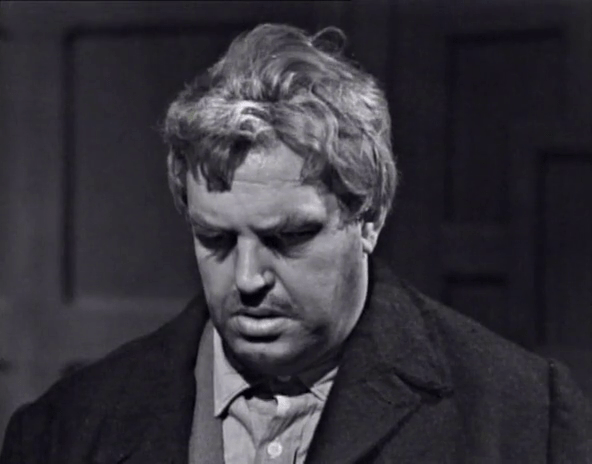
Twasn’t. Twasn’t. It twasn’t him. Nay, I say. Nay, naryn’t, tisn’t, shan’t.
Matthew, of course, agrees because, I remind you, he will do Whatever it Takes to protect Mrsh. Shtoddahd.
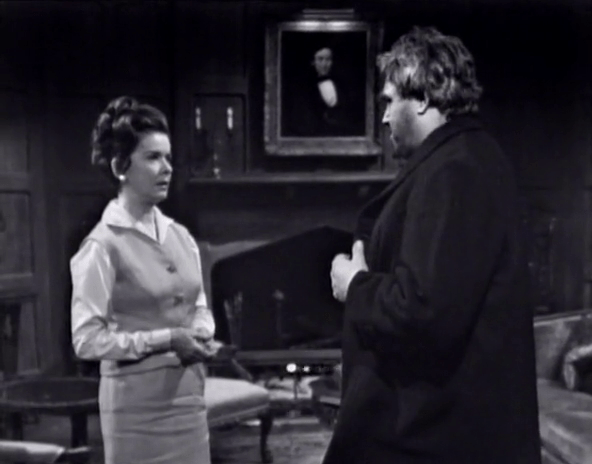
Maybe it’s just me, but it’s kind of condescending to call the (age contemporary) employee who does manual labor and covers up crimes for you a “good friend”. It’s like an asshole’s idea of how to speak to the mentally impaired.
Am I suggesting we’re supposed to accept that Nu!Matthew has some sort of mental deficiency? Was this the only way Art Wallace could conceive of explaining why he would so quickly and readily agree to making himself look like a dangerously careless oaf for a reason Elizabeth won’t spell out for him?
Consider that he already had the chutzpah to spell out the “allegory” he was telling with a public domain French novel and realize that, perhaps, it was not beyond the pale for him to consider what was once called “mental retardation” as the torch that would light the way out of the corner he’d written himself into.
Things turn to the subject of Vicky, the newly vindicated Matthew taking particular tea-stirring pleasure in telling on her basement exploits to Liz, who is Alarmed.
The camera isn’t on Matthew when he says this, but trust that this line is delivered in a manner eerily reminiscent to Mr. Smee from Disney’s Peter Pan.
“She’s poking around down there doing who knowsh what!”
Liz, armed with this knowledge, descends to the basement to confront Vicky as to What the Hell Does She Think She’s Doing Encouraging Children to Read. They may grow up to be the kind of people who discuss The Count of Monte Cristo over donuts.
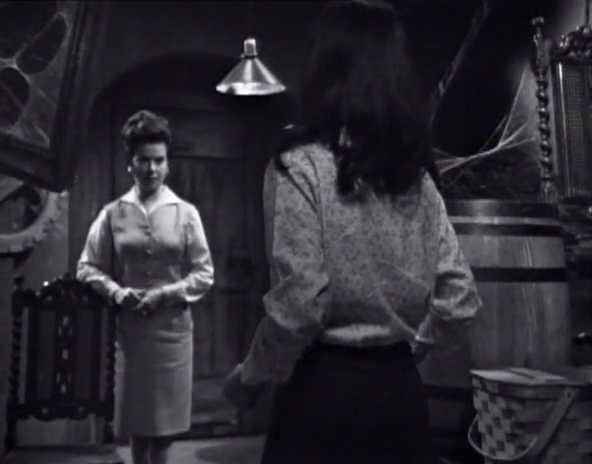
Vicky mentions the crying she heard last night, but Liz is uninterested. You’ll note that Liz is the last person in the household Vicky has told about the Weeping Woman, aside from David, but he’s in turn told her all about the Widows. Liz remains the only person in Collinwood Vicky has never talked about ghosts with.
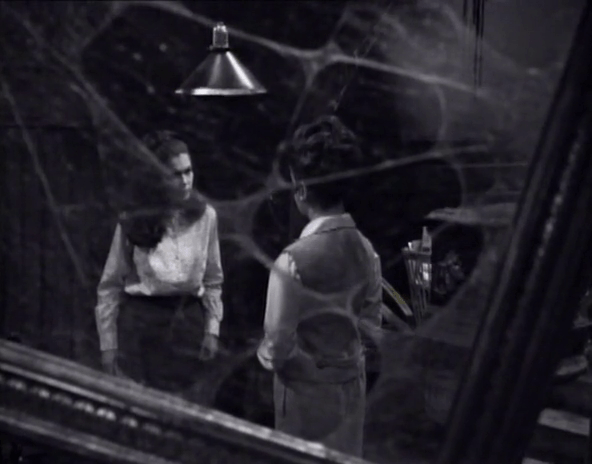
You can tell Lela Swift directed this one because there’s some effort in the shots.
Liz’s explanation for the Weeping Woman is, like all her other explanations, infuriating.

Vicky wonders where the sound comes from.

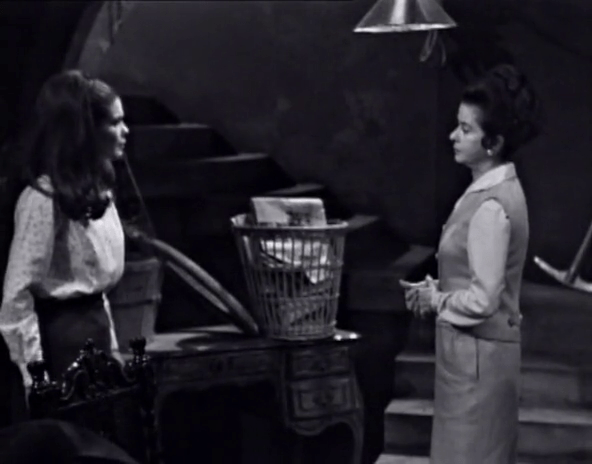
As for why Vicky would’ve heard purported wind in the east wing in the basement? Pipes. The pipes. Wind in the pipes. Old house makes spooky noises.
This is especially hilarious coming right on the heels of Roger almost tearfully admitting to Vicky that he’s heard the Weeping all his life and has no explanation for it. Meanwhile, his sister is like “It’s just the wind, you punk bitch.”
And the Mystery Door?
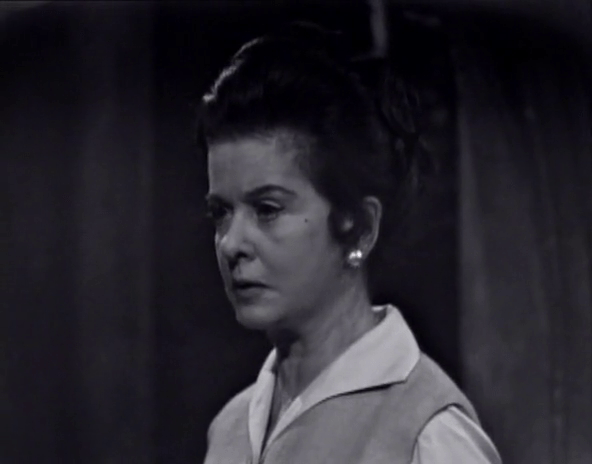
So shut up.
Liz points out that nobody could get in there to cry anyway. She’s the only one with the key, just as she is the only one with the key to the East Wing…which still doesn’t explain how David snuck in and out of there during the suppository saga, but whatever.
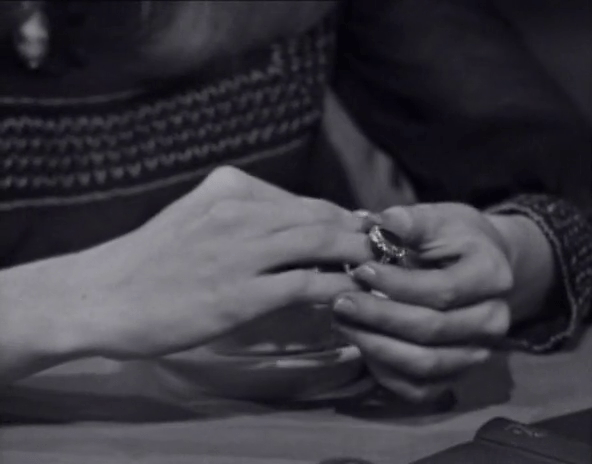
I’m sure it won’t be important later.
Burke returns from an offscreen phone call to Sam about that portrait the lovable old fellow lost hours of sleep over. Apparently Sam was still bent on talking Burke out of it, but it didn’t work, so maybe we’re heading for the pivotal Dantès/Caderousse scene after all.
You’d think.
Burke wonders if Carolyn has any idea why Sam is so dodgy about this commission.
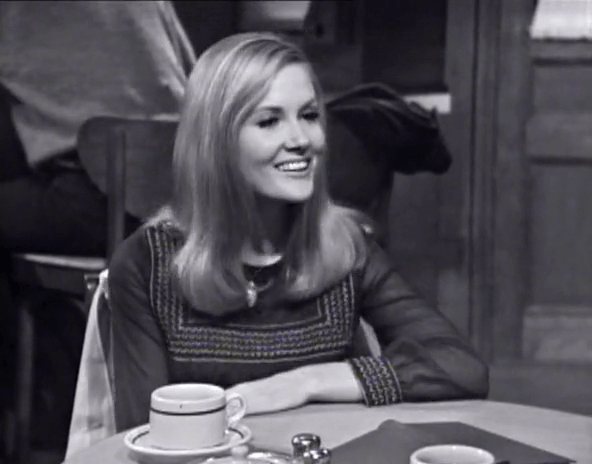
Well, if even she can’t figure it out, there’s no hope for the rest of us.
Burke admires Carolyn’s ring. It’s a birthstone, but they don’t say what kind and, well, it’s unclear what color it is, so I guess we’ll never know.
Burke goes to get another coffee from Susie, Maggie’s temp, and look, there’s another customer!
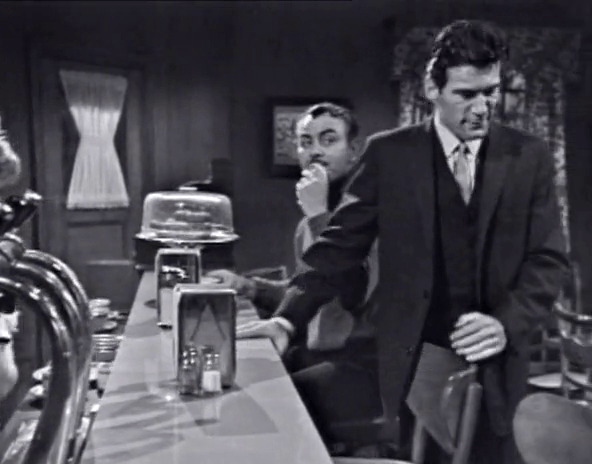
Returning to the table, Burke wonders what Carolyn, a free-spirited 17-year-old with no school, no job and no responsibilities is planning to do today.
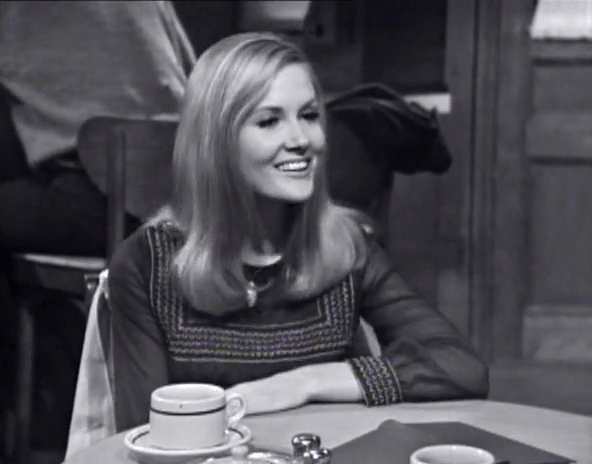
See how not interested she is in him, guys? She’s just so not interested.

For…what? Korea? Or was there neo-Fascist opposition (looking at you, Rog) to a World War II memorial?
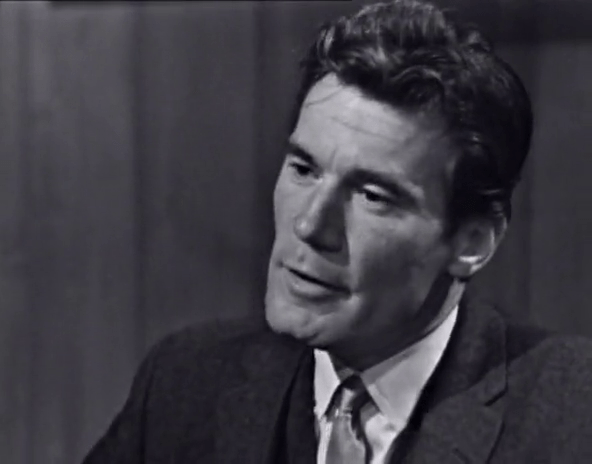
Collinsport has projects too. Liz sure takes care of all those workers.
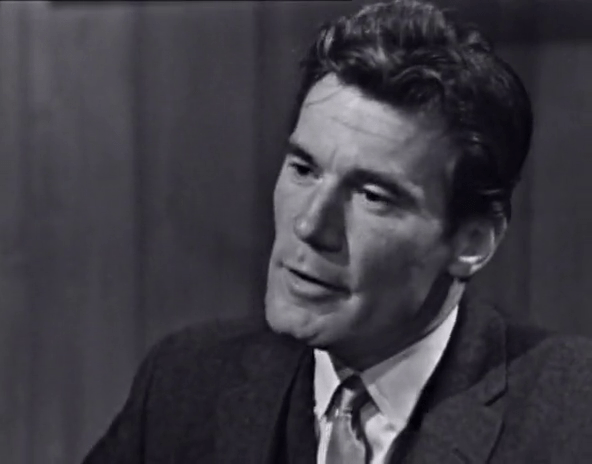
Watch the sharp turns.
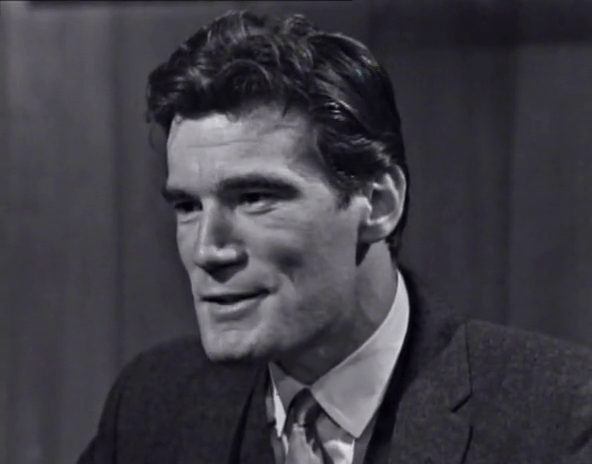
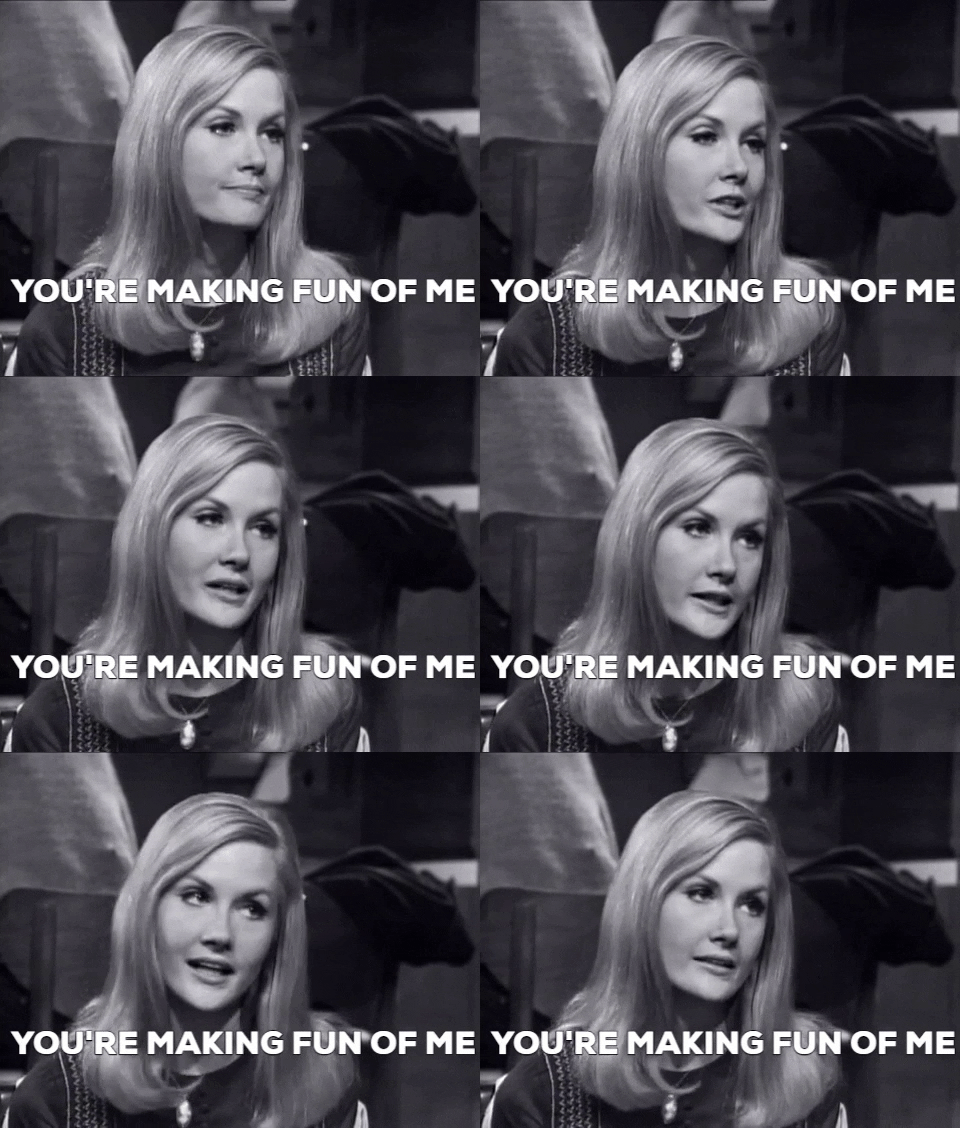
Honey, he’s been doing that the entire time.
It turns out that their little daytrip is not to be, however…
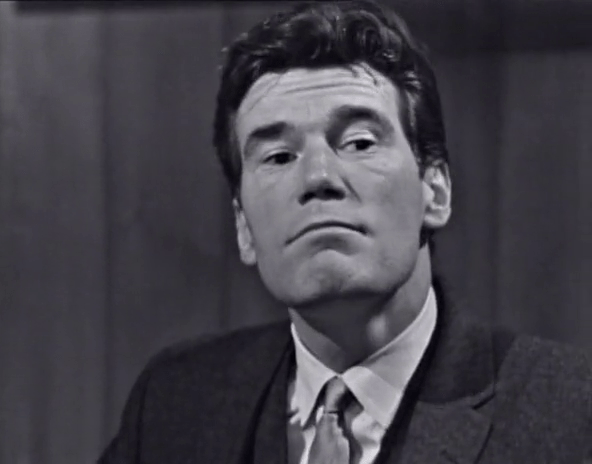
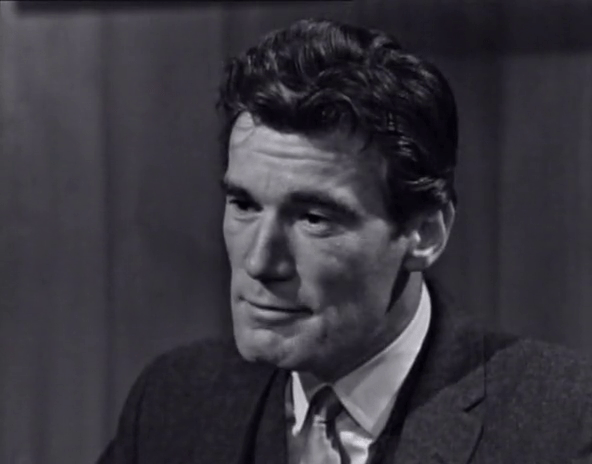
He’ll be posing for his portrait, you see, followed by a “business appointment”, which sounds like a promising story hook, which it is, but not at all for the way they intended.
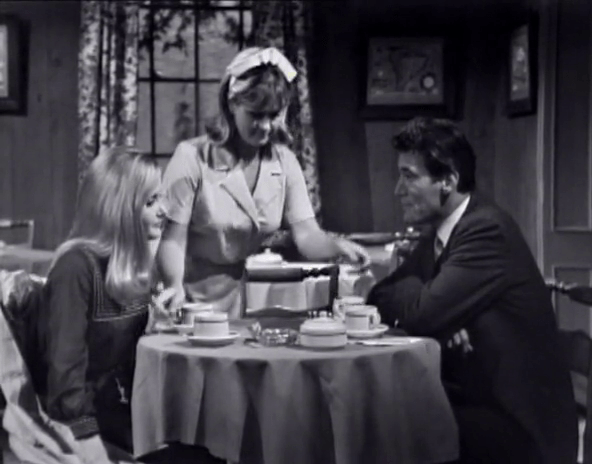
I know. It’s horrible, isn’t it? You should forget about him. That’ll show him.
But Art Wallace’s flavors of women only go so far as “bloodless matriarch, imbecilic ingenue, brassy dame and clueless horndog” so naturally Carolyn doesn’t consider that maybe Burke just isn’t worth her trouble.

That depends on what the book says, I think.
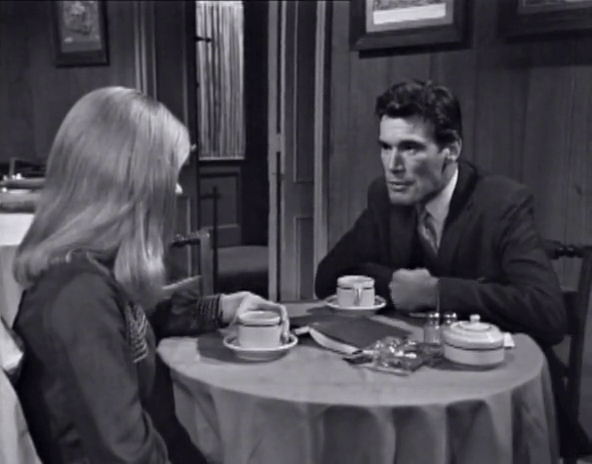
That they’ve left the book open, spine-up on the table tells you all you need to know about their commitment to Burke as a learned individual.
Burke has no reason to answer all Carolyn’s questions about where his business meeting is (Bangor; drink), but he does answer them and has the audacity to act surprise when Carolyn asks to go with him.

Okay, that delivery was kinda hot, I’ll give him that.
Carolyn insists there’s nothing untoward about this at all, even as she for some reason emphasizes that she’s “not a child” and “just wants to get to know you better”. Burke is unmoved but, rather than repeat what he said to Vicky (that he isn’t interested in Carolyn), he seems to relish in watching her squirm at the prospect of tagging along with him like some sort of purse dog, a social role Carolyn seems entirely fine with, even as she balks at the idea of becoming someone’s fish wife. Not that the two positions are at all the same, but at least the fishwife is accorded some basic humanity. I’m not sure what Burke is getting out of this and, yanno, I’m starting to think he was lying to Vicky about the “interest” thing, just as Carolyn was.
This isn’t to say Burke’s feelings for Vicky aren’t genuine. I believe they are. It’s just he’s also horny for Vicky’s friend.
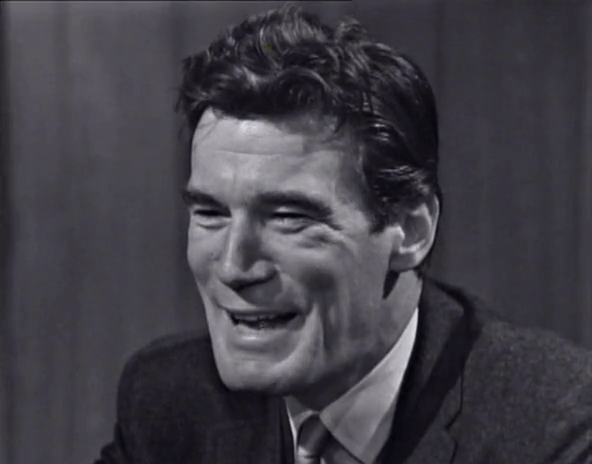

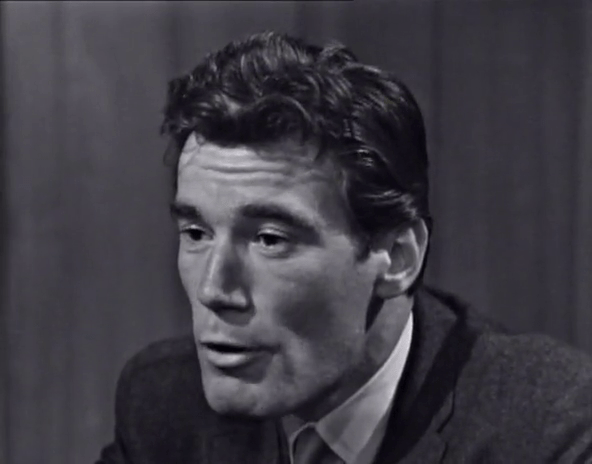
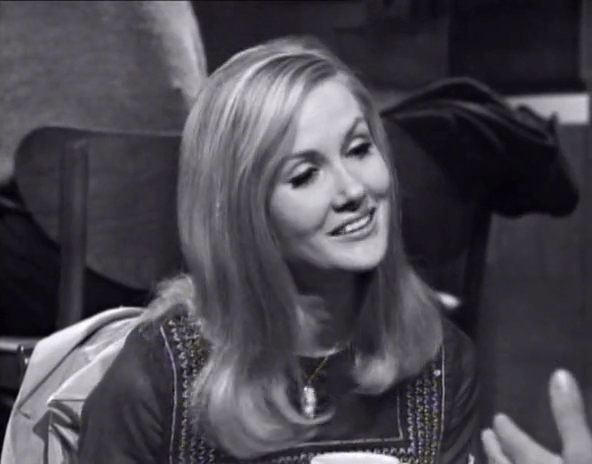
I wish you did.
Burke insists he has “personal and private” business.
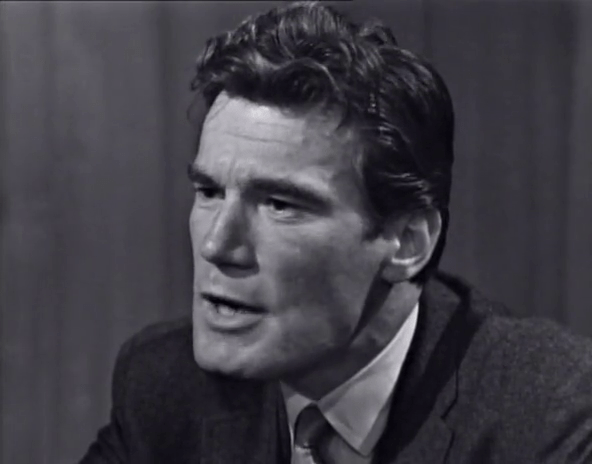
Little girl, huh?
Carolyn sardonically guesses that the real reason Burke doesn’t want her around is because his meeting has something to do with a Monte Cristo-esque scheme against her family, which is true and also a nice indicator of how the whole “Burke is here to ruin us. Who cares?” attitude is quickly permeating the atmosphere. It would be like if the House votes to impeach the President, but the Senate acquits him despite all the evidence because, really, what difference does it make, anyway?
Carolyn takes off in a mockery of a huff, almost literally giving Burke a “Call me” by way of parting.
And, it turns out, Burke now has an excuse.
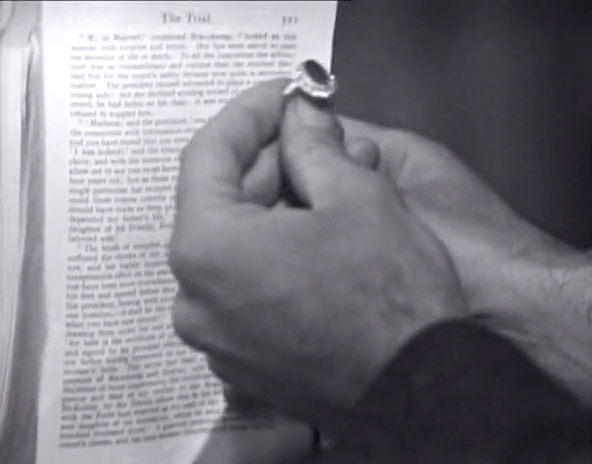
Also, judging by the text on the page in that screencap, that’s an actual copy of The Count of Monte Cristo, not a mockup. Because Dan Curtis was (I’m sorry, I’m trying not to laugh) obsessed with realism.
Back at Collinwood, Vicky has just been telling Liz about her late night phone call from the mysterious Mr. Ned Calder, who Liz had urgently wanted to get in touch with.
It comes out that Vicky and Roger had had their own basement adventures. Liz wonders how Roger explained the sobbing noise…
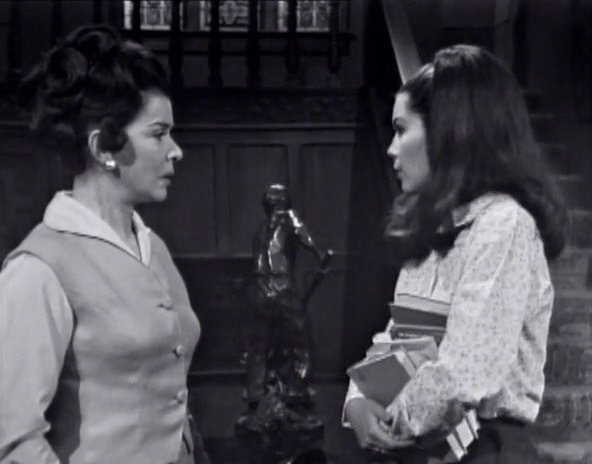
Which neatly omits Roger admitting to her that he can’t explain it, which may be Vicky’s attempt to protect the dignity of the one man in the house, short of David, who certainly hates her.
How…sweet?
Vicky returns to David’s lessons which, the morning after he was found out as an attempted murderer, are bound to be very pleasant and, therefore, not worth our attention at all.
Liz hurries to the phone and, you guessed it, it’s time for another round of Ned Calder tag.
Surely, you cry, this must be going somewhere. They wouldn’t be doing all these near miss phone calls if it wasn’t!
Heh.
In the episode’s last minutes, something remarkable happens: Matthew leaves the house.
This is something George Mitchell’s Matthew never had the luxury of doing. And yet, at the same time, I think this more brutish, Gorgon-like Matthew is much more suited to the role of the homebound guardian, like a troll or a Cyclops.
Burke seems to recognize him.
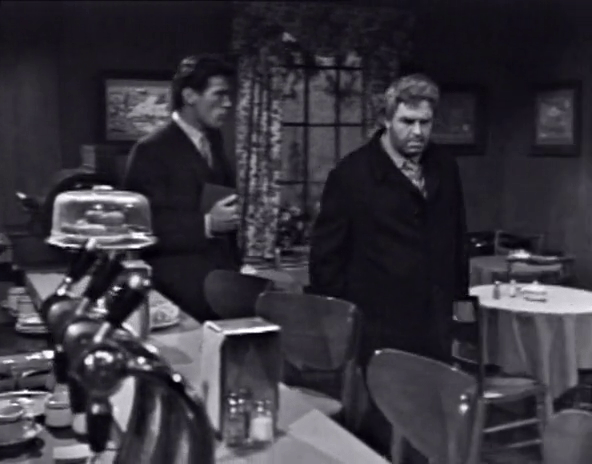
He approaches Matthew who, of course, remembers him as well.

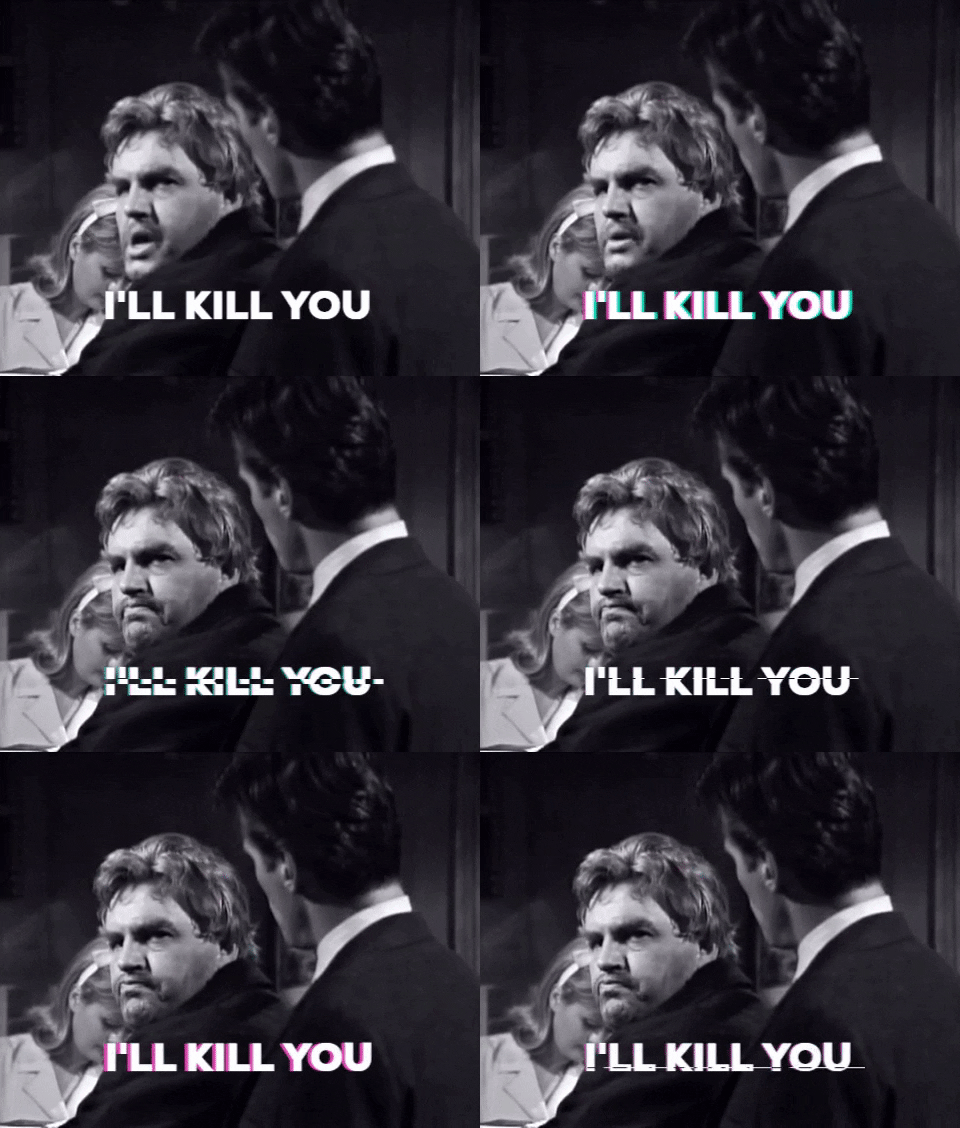
Fuck.
Now, obviously, Matthew doesn’t like Burke. The first Matthew didn’t seem to like him much either, but his was a more bitter dismissal of the whole trial as a bad business when Vicky discussed it with him over those infamous eggs.
But this Matthew is full of intense rage against Burke not out of deference to Roger who, we know from the first Matthew, he doesn’t much like having around the house, but because he, like Bill Malloy before him, fears the trouble Burke’s schemes will bring to his precious Mish Shtoddahd.
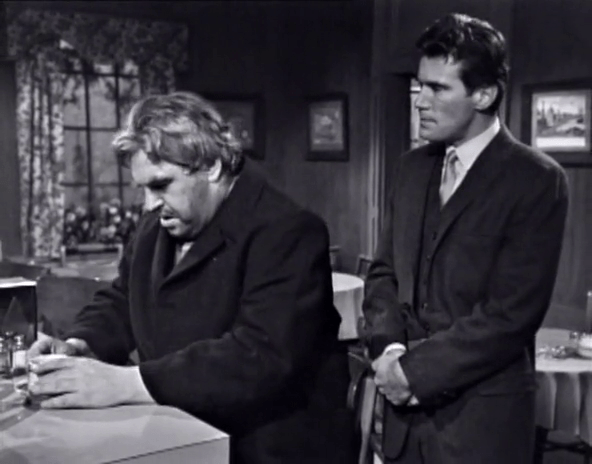
So do I. Admittedly, it would be patently unbelievable to believe it from Mitchell’s tiny, stooped, craggy Matthew. But Thayer David inherits Mark Allen’s role as the only actor capable of towering over Mitch Ryan, and he’s considerably broader than him to boot. Burke may finally have met his match…In a big, unwashed indentured servant who looks like he smells of cowpies and piss.
Burke decides the appropriate response is to be a troll. What if people at Collinwood make problems?

And yet the G-forces continue their merciless assault all the same.
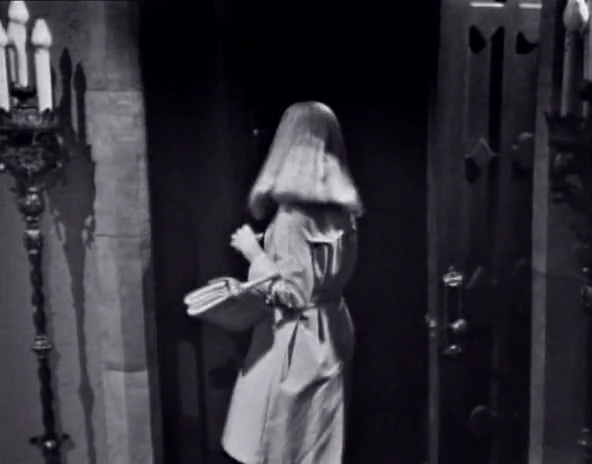
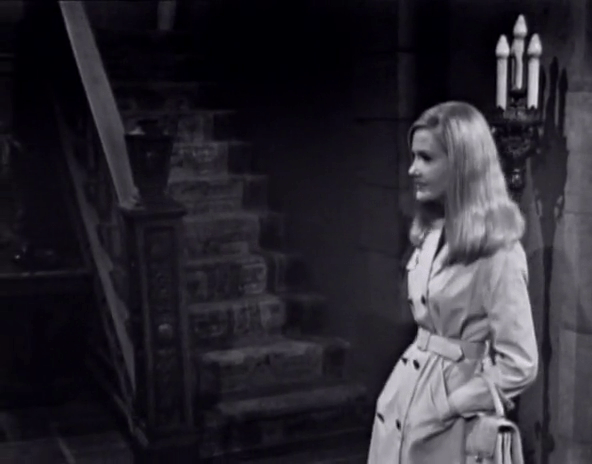
What do you want, a medal?
Vicky comes to answer the call, having abandoned her lesson with David because her pen (sorry, sorry, can’t stop laughing) is out of ink. No, that’s…that’s not really foreshadowing, it’s just…
Pens.
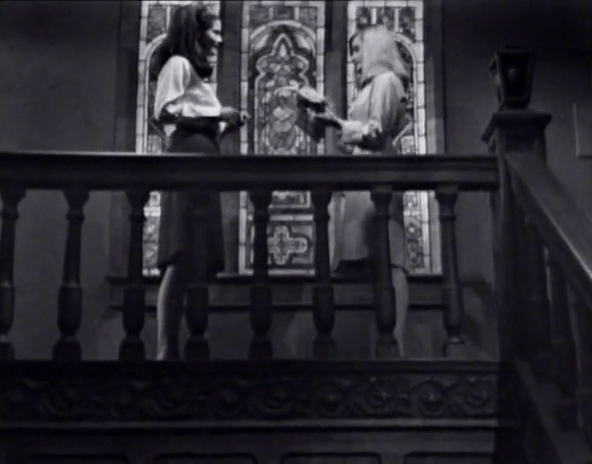
Somehow, she’s the kind of person who keeps a pen in her purse. If Burke can be well read in post-Napoleonic French literature, why shouldn’t she keep extra writing implements on her person?
Carolyn tells Vicky she’s waiting for a phone call and…
God, you’re gonna love this.
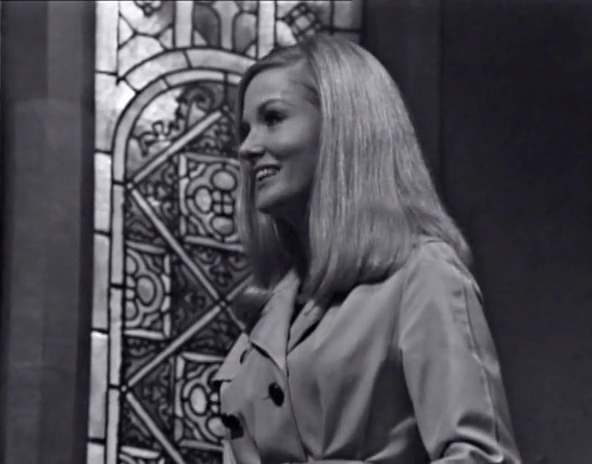
Bold and stupid. Nothing she has learned of Burke has been sufficient to convince anybody he wouldn’t attempt to pawn that ring first, and certainly not enough to convince anybody Burke would be kind enough to return it.
Victoria should know enough by now to assume who Carolyn is talking about, but that’s not what she asks her…

Carolyn guesses Vicky heard the Weeping again last night and admits, as Roger did, that she heard it too. Vicky points out Carolyn claimed never to have heard anything the first morning, just as Roger had and, while Roger’s excuse can be explained as pride, Carolyn’s is considerably sadder: she didn’t want to lose Victoria.
This is seeded neatly in Episode 5 itself, where Carolyn’s entire function is to convince Vicky not to leave Collinwood as she doesn’t want to lose the one friend she has. As with Roger, the admission is humanizing, which is much needed given how, er, unpalatable Carolyn is with Burke.
But Carolyn has no feqr of the sobbing. She’s quite casual about it, only saying she tries to stay in her room whenever she hears it.
Liz emerges from the basement in time to hear Carolyn make this confession.

Does Liz know this? Has Carolyn ever told her? Roger very likely would never. How much does Liz understand about the weird nature of the family home she is so desperate to protect? Does she truly not believe in the ghosts said to haunt the halls of Collinwood? Or is just another of her many lies?
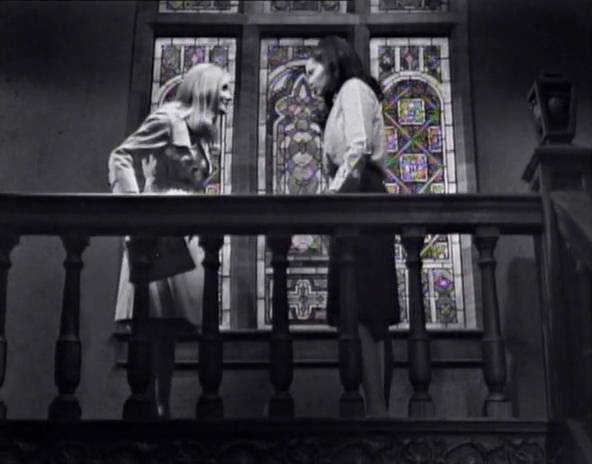
As much as I’d like to end it there, we’re not quite done. Liz stops Vicky as she descends the stairs.
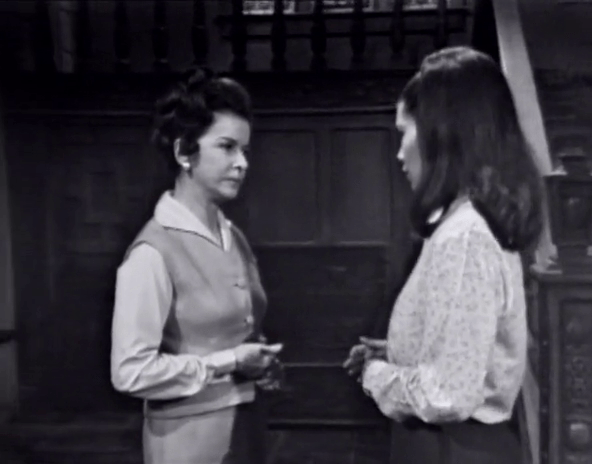
This is almost certainly a bluff and it works. Vicky declines and the mystery of the Mystery Door remains. And will remain. And will go on remaining. For a very long time.
This Day in History- Wednesday, August 17, 1966
The U.S. launches the Pioneer 7 space probe into the Sun’s orbit. 20 years later, it becomes the first Earth probe to gather date about Halley’s Comet, which never did get around to portending all our deaths, unfortunately.
Willie Mays hits his 535th home run. He becomes second only to Babe Ruth. Both will eventually be surpassed by Hank (though he prefers to be called “Henry”) Aaron, who is still alive and very likely could kill you with his hands.
Behind the Scenes Shenanigans
Again, Episode 38 is part of the first pair of episodes to be shot out of sequence. It was filmed the day ahead of Episode 37, most likely to accommodate Mitch Ryan’s Broadway schedule. This makes Vicky’s claim to Liz that Roger told her “Nothing much” about the Weeping Woman kinda funny because, at this point, he hasn’t.
Or maybe only I think that’s funny. Regular taping schedule resumed with Episode 39.
 Kooks of Collinwood
One thought on “Book Club”