
Welcome…

Whether you like it or not, we’ve been residents of Suppositoritaville for quite some time. 15 episodes, by this point. Only recently has there been any sign we might soon escape, as the various uninspired threads that make up this supposedly riveting tale of attempted vehicular homicide begin to converge, and the gothic overtones that are supposed to be Dark Shadows’s bread and butter, begin to creep back to the forefront.
Case in point: Victoria Winters is a young ingenue all alone in an old dark house as a thunderstorm rages outside. A gust of wind prompts her to shut a stubborn window, and it is only after she does it…
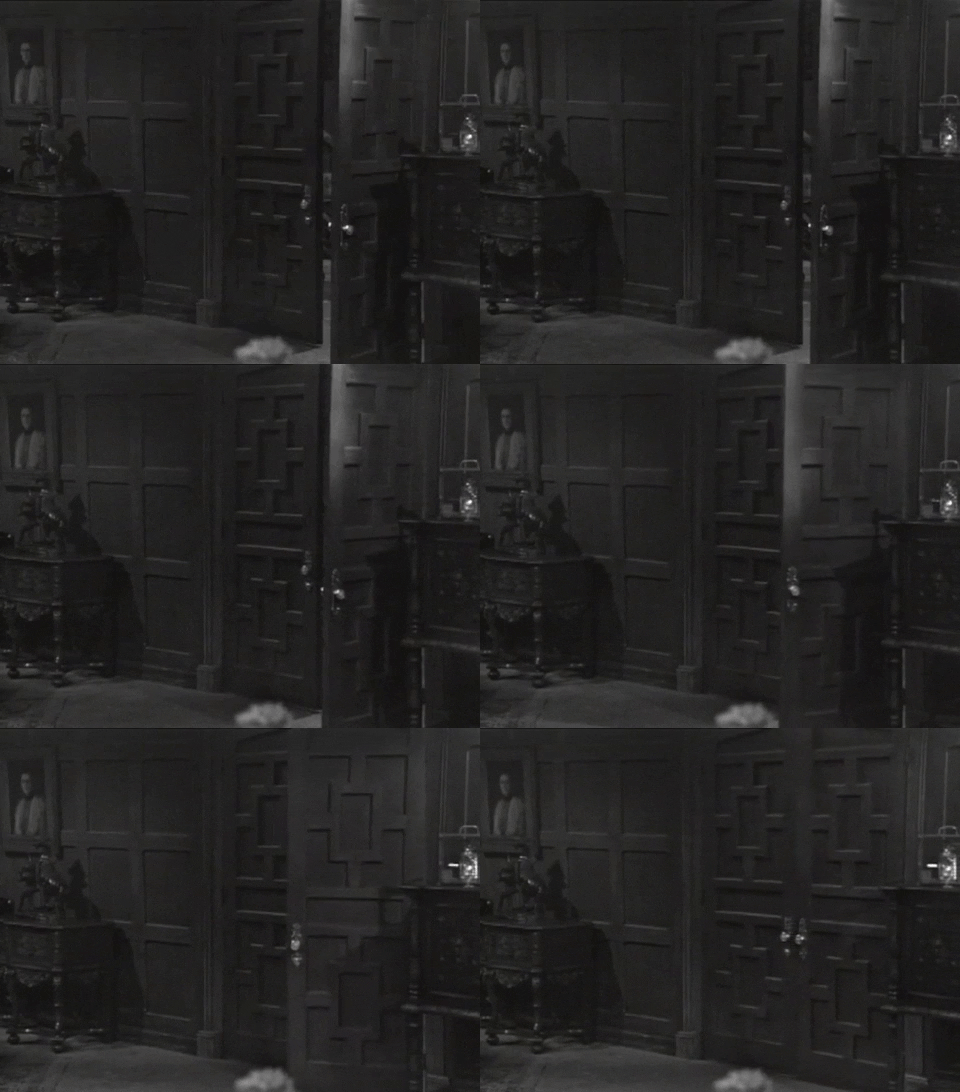
That the door mysteriously swings shut.
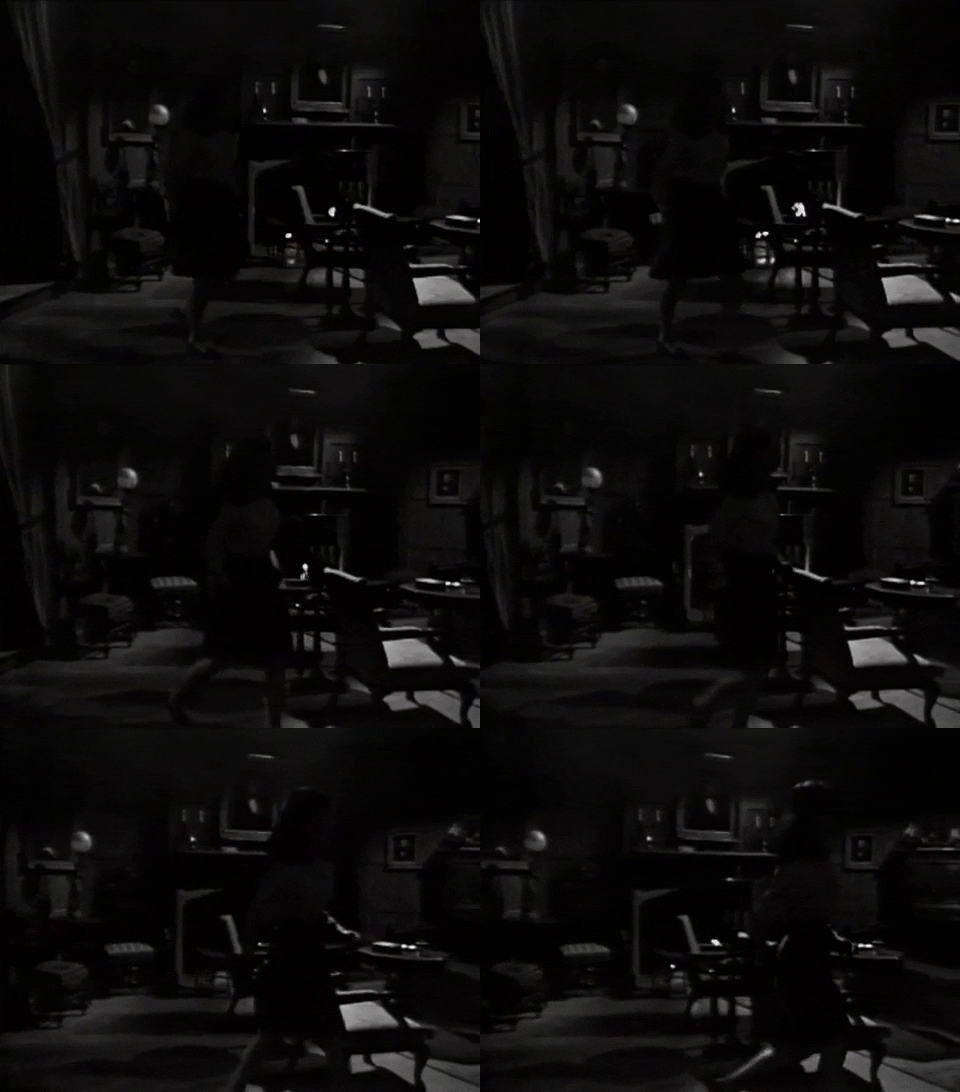
And then the power dies.
Vicky hurries to light some candles…
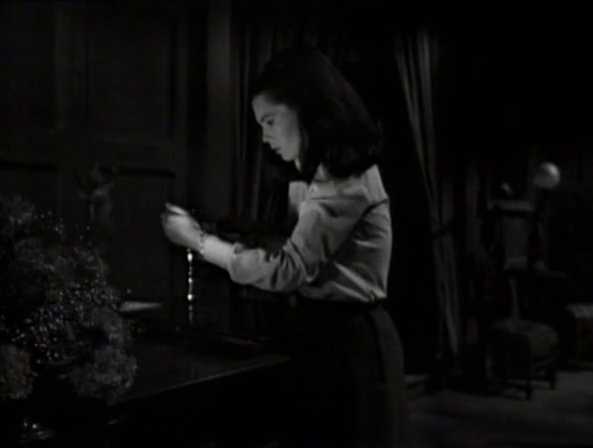
And
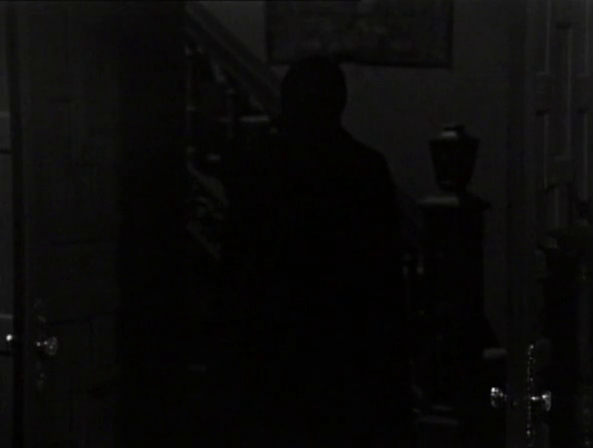
There’s no fade to it, no segue, just a sharp cut from Victoria at the candelabra to this weird shadowy figure standing in the doorway and staring. Hokey? Sure. Something out of a kid’s idea of a scary story? Also sure. But damn if it doesn’t make you jump the first time.
Vicky freaks the hell out.
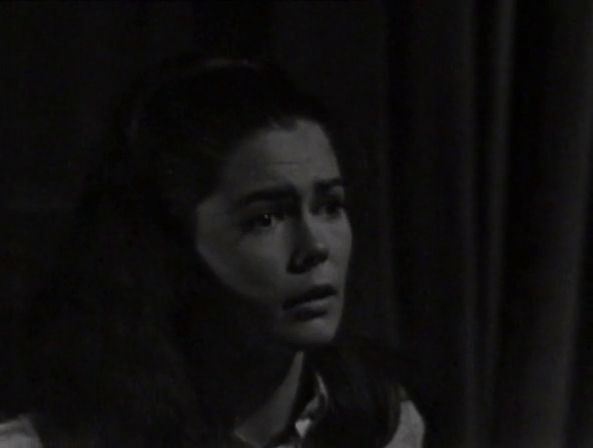
And just like that…
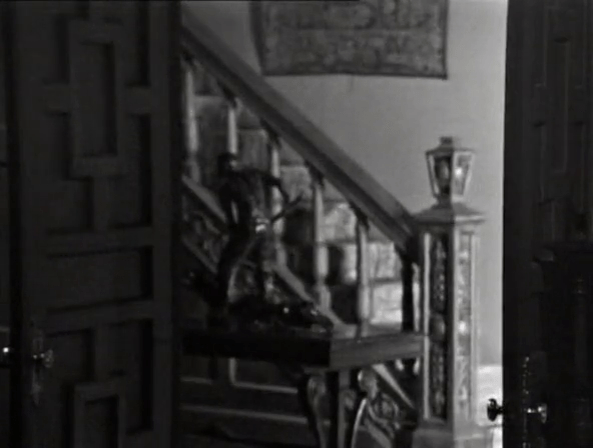
Does it have anything to do with anything? Is it foreshadowing for something that will happen later? Will it ever get any kind of explanation or follow-up?
No. But that doesn’t matter. Because here, in the first three minutes of its 30th episode, Dark Shadows has shown us that it remembers what it was supposed to be. It’s not perfect , but it’s pretty good considering what we’ve gotten.
After the main titles, we are hastily introduced to the supposed rational explanation for the mysterious apparition. The lights have come back on and Vicky goes off to investigate, brandishing the candle-lighting thing as though she might use it as a weapon, but isn’t entirely convinced about the whole thing.
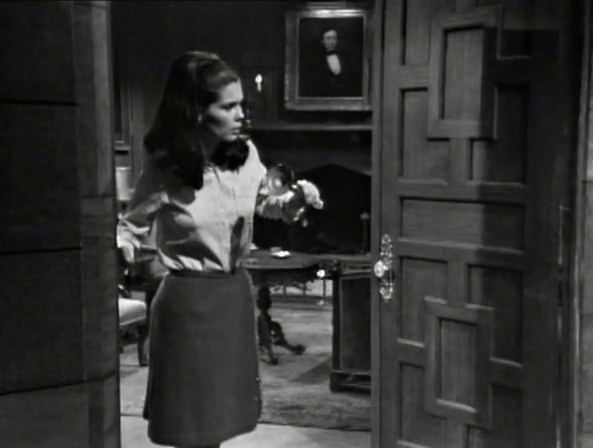
She goes into the next room…

It’s just Roger, back from his second trip to the Consteriff in the same day. He claims the figure Vicky saw must’ve been him, as he was going to the basement to “replace a fuse”. Besides the immediate eyebrow-raising suggestion that Roger would’ve done something for himself, it doesn’t explain at all why the figure was just standing in the doorway and staring at her, nor does it do very much to explain why he didn’t respond to Vicky calling.
In point of fact, it clearly was Louis Edmonds standing in as the mysterious figure.
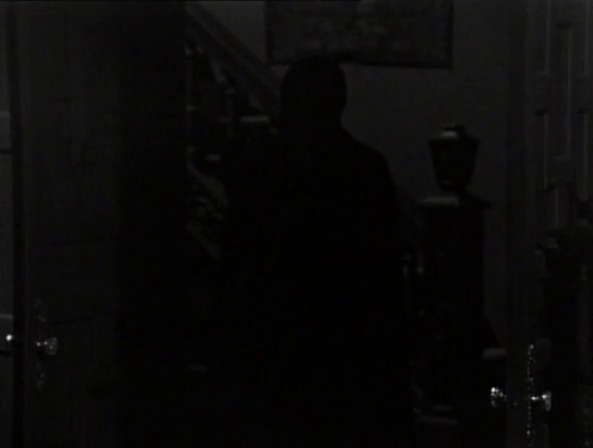
Whether we are meant to believe that it was also Roger is unclear. Dark Shadows has not yet embraced the supernatural tenants that will make it a cultural landmark. As with the weeping woman, and the mysterious opening and closing doors from the first week, the instance of the shadowy figure comes off as a flirtation, an entreaty that the show can do more of this if, yanno, it’s our kink.
What I’m saying is, the Suppository Saga is just foreplay. Long, drawn out, unimaginative foreplay.
Roger remains entirely uninterested in the ongoing search for his son.
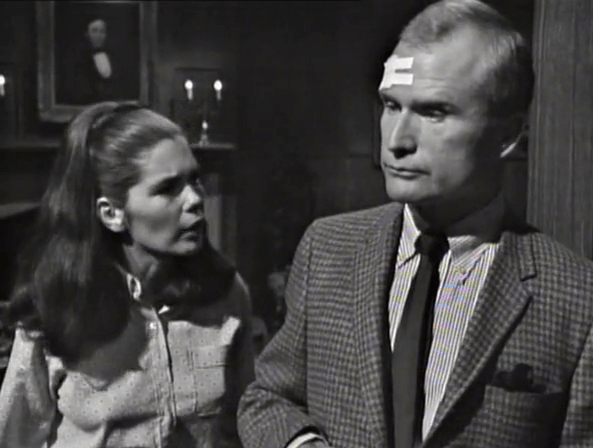
This is somewhat mitigated by the fact that Roger, like all the principles but Vicky at this point, knows that David has been recently spotted. The “but Vicky”, of course means that we get to hear Roger tell her all about David’s attempt to break into Burke’s room.

Yes, what a whacky set of personalities. Tune in for their hijinks, hilarities and homicides on My Dad’s Best Enemy, coming this fall to CBS.
You might think a line like that would provide an ample dramatic segueway to the eponymous thorns in Roger’s tuckus, but no. Vicky impresses on Roger that he has no reason to hate Burke.
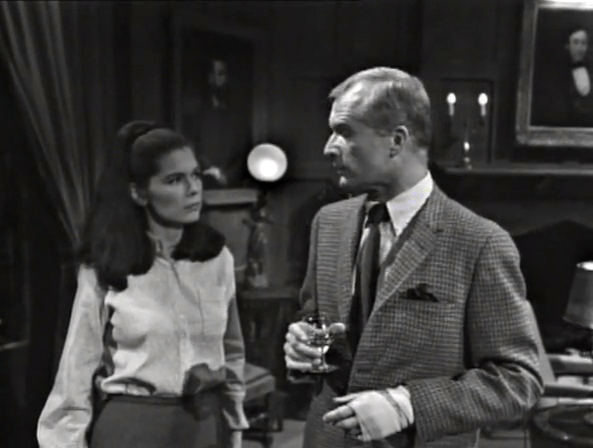

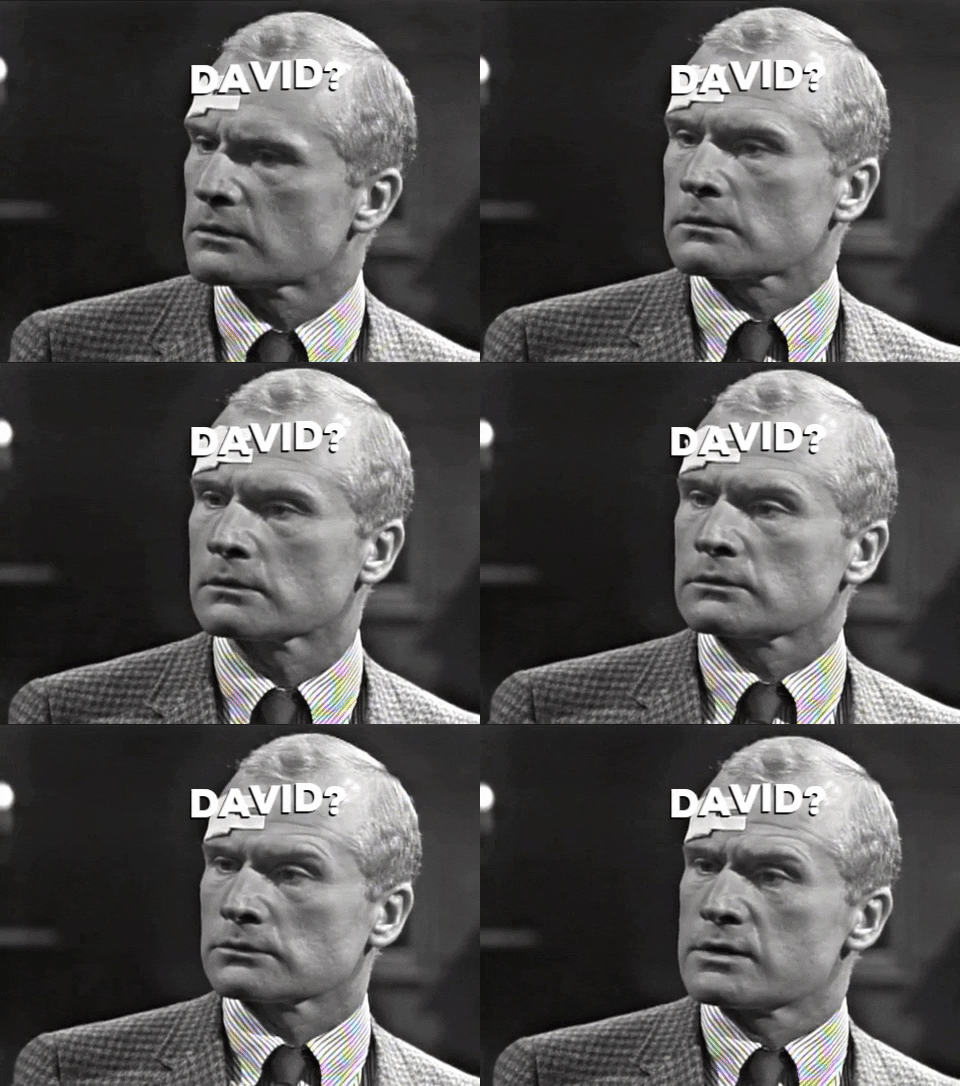
He honestly does seem shocked. And, yes, it’s probably not a pleasant thought for a father to contemplate his own son trying to kill him, but as we have reported regularly, David hasn’t made this much of a secret, no more than Roger has made his hatred of David a secret, so this breathless stupefaction may be a little over bar.
So he pulls a page out of his sister’s book…
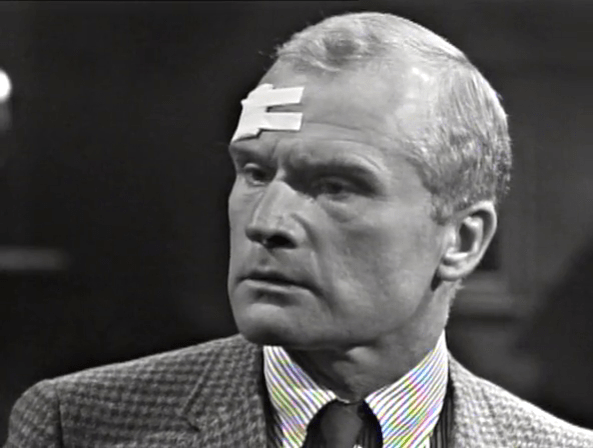
Here we goddamn go again.
As with before, the real action in this episode lies in the thrilling altercation between Roger’s nemeses. Burke has managed to earn David’s trust and, perhaps, affection, in a way David doesn’t seem likely to have ever felt for another adult, certainly none of the people he shares a house with.
Burke, while clearly appreciating the candor of his worst enemy’s son, has likewise discovered the ugly treachery ol’ Davey boy was smarting to stick in him the whole time.
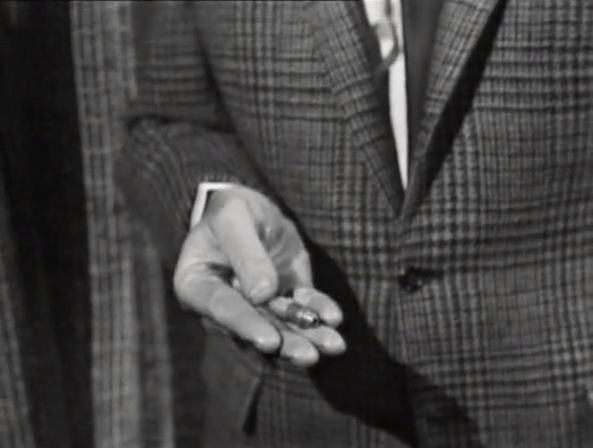
He has convinced David to return to Collinwood, David acquiescing so long as he accompanies him.
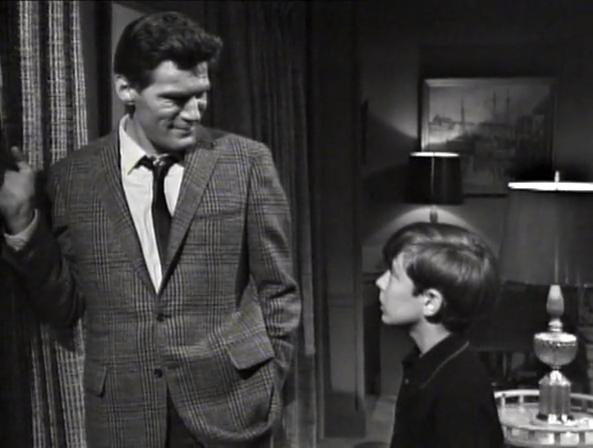
Kinda remarkable he won the kid over given his alarming tendency to slip in and out of staccato yelling. Another treasure is David regretting he never had a dog, which is probably a good thing, since I have the sneaking suspicion Matthew would’ve found it marinating on the wood stove.
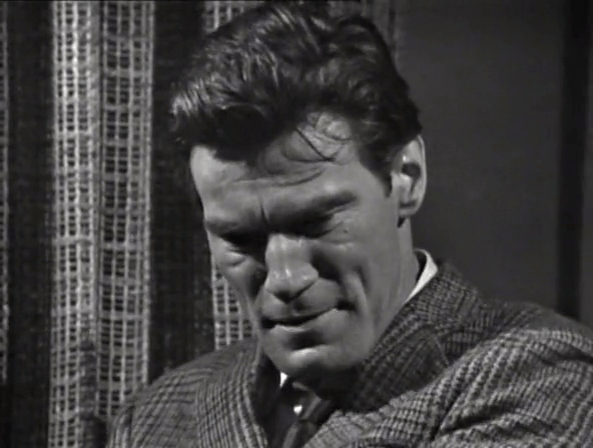
He offers to get David a dog, an act of such boundless irresponsible generosity that I can only conclude he’s doing it to give Roger a heart attack. I mean, imagine Roger yelling at a dog for getting hair on the upholstery and the dog barks back and Roger’s register keeps increasing in pitch with the barks and then he starts to cry and Liz comes in and wonders why the hell he hasn’t just given up and shot himself yet and then the dog lets her hold it and it gives Roger this look and it becomes a whole thing.

And just like that, the Devlin has earned the trust of both underage members of the Collins household. It’s actually kind of weird how his first meeting with David so weirdly parallels his first (well, first proper) meeting with Carolyn. Both Collinses snuck up to his room with an agenda (finding out what he’s up to; planting incriminating evidence on him) and both are so won over by his charms, humor, and talent at cocktail mixing (Burke Devlin Special anyone?) that they change their courses by the end of the meeting, and go back to Collinwood with him.
I’m not sure whether to clock clever parallels or call Art Wallace out for unoriginality. It’s hard to tell lately.

Indeed, David now can’t bear to think of his new buddy Burke going down for the dirty deed, so he seeks to retrieve the suppository from where he planted it, but little does he know that Burke has already found the suppository, and knows exactly what his game is, or rather was.
Which leads us to this weird, forlorn bit with David looking wistfully back into the room and then Burke gives him Bad Touch.
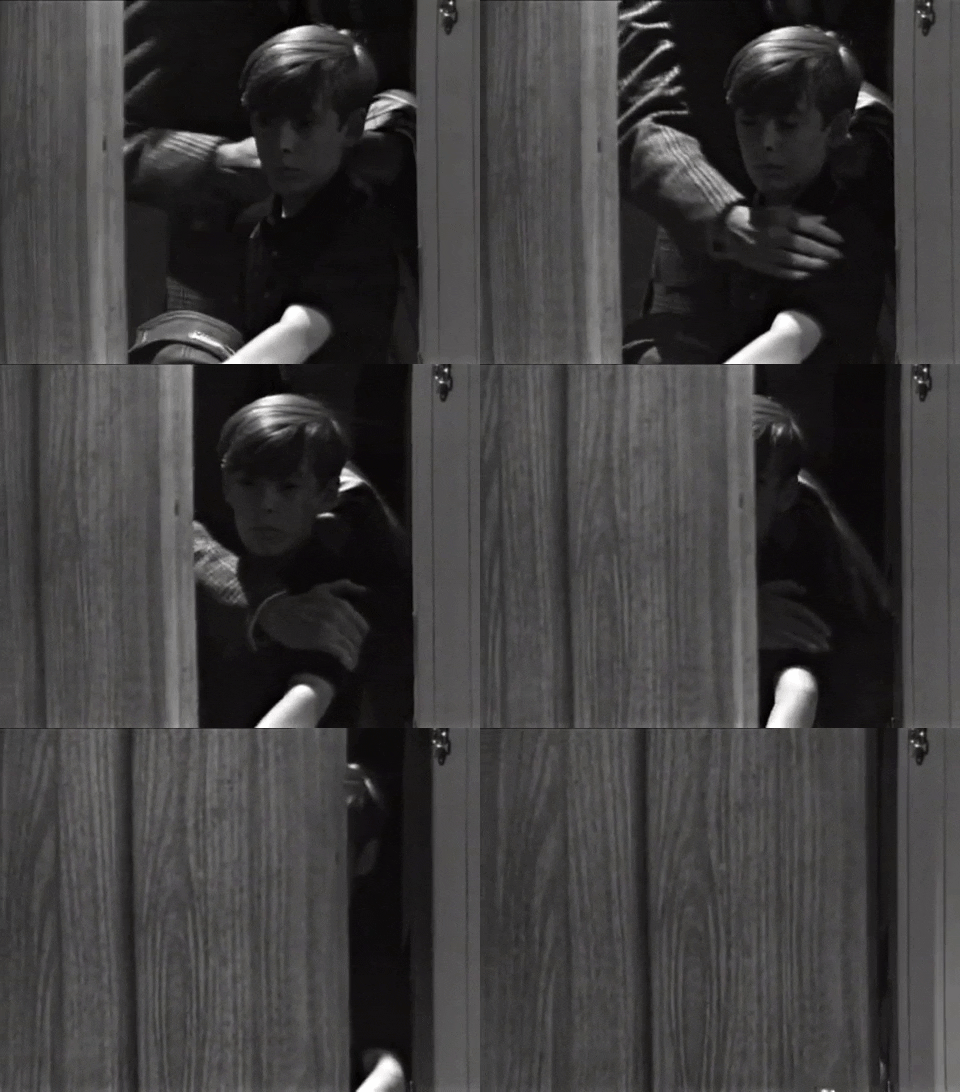
The hits keep on coming. Act 2 opens with Dark Shadow’s first car scene, and in any other context, you’d swear to your mother this kid was being abducted.
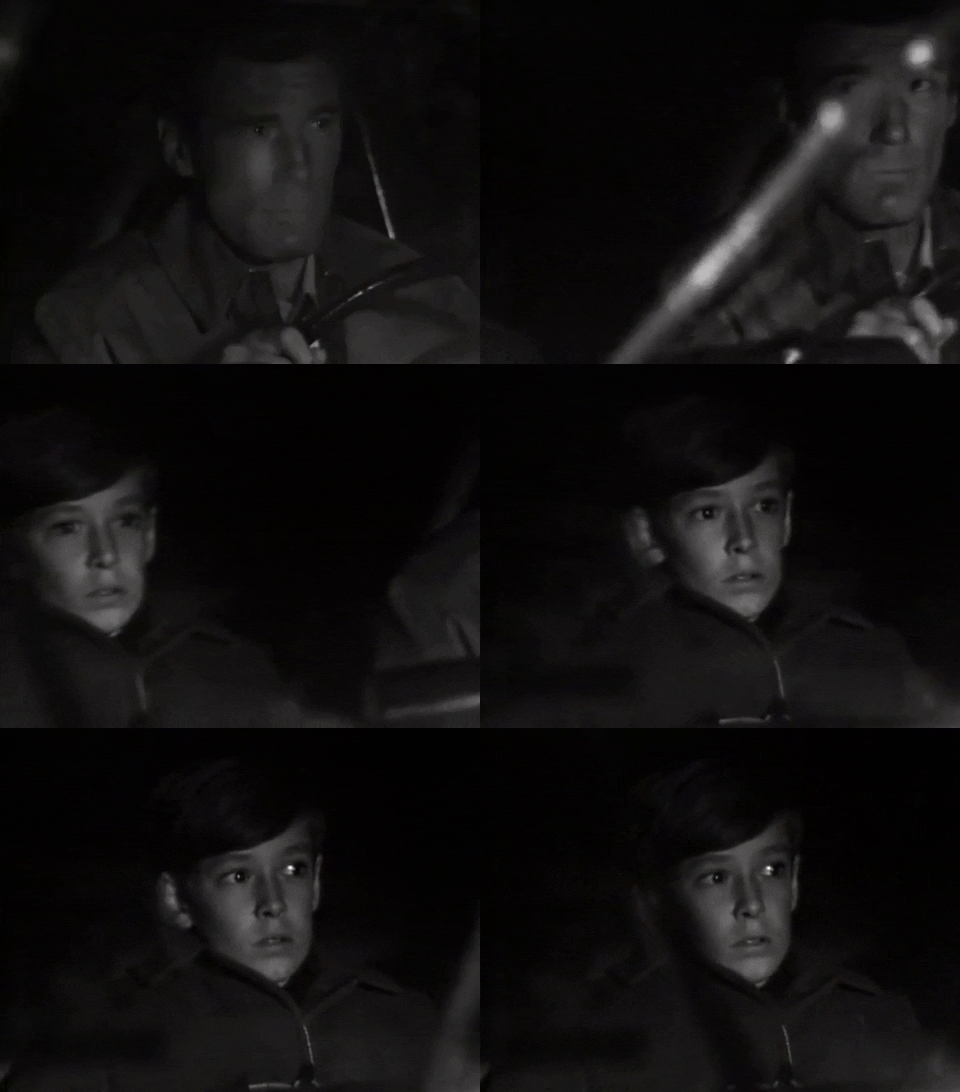
I know you’re probably wondering what I mean by “first” car scene. We all know about that other car scene that launched this saga. Still, Roger’s crash was composed of location footage and included no interaction between actors in a set.
This is a car “set”. It’s a seat with a wheel and a weird, maybe convertible roof. This compact little set will, in time, belong to every single character who ever needs to drive a car. Burke is just inaugurating it.

Burke wonders if David is frightened of the reception he will face at home, and David’s response is delightfully childlike considering he’s also an attempted murderer.
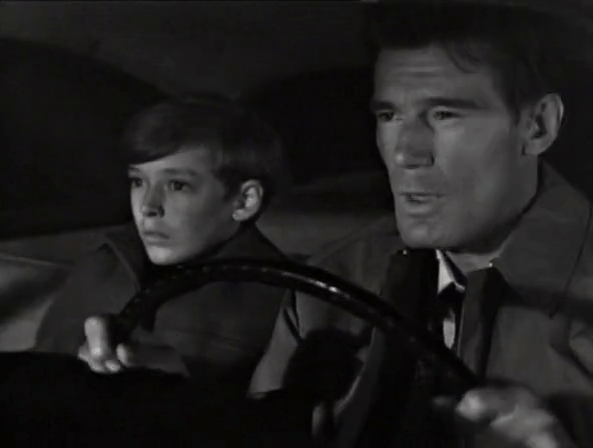
Burke reassures him that he has nothing to fear, which is shockingly tender of him, considering he could very easily poison David against his father further, though he is presumably canny enough to assess such would be redundant at this point.
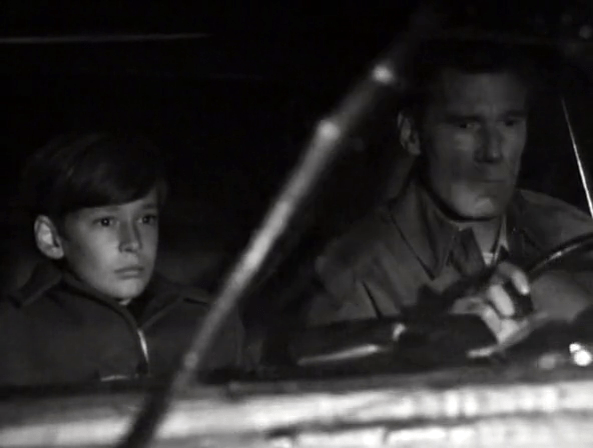
Burke describes a youthful indiscretion of his own, when he ran away on an actual boat, stowing away on a freighter bound to Boston, which was caught up in a similar storm to the one they are now driving through.
Just add this to the steadily growing Burke Devlin Adventures that are, in fact, more compelling than what he’s doing now.
David wonders if they can go back, unable to get his mind off what he’s done, and no doubt believing the suppository is still in Burke’s room, waiting for him to find.
It’s something, because this is really the first selfless thing David has considered. He has finally succeeded in his goal (so he thinks). He’s gotten rid of the hot potato, he’s successfully incriminated the prime suspect. And yet this prime suspect is very likely the first friend he’s ever made, so he’s in a crisis of guilt.
Back in the ditchweed half of this episode, Victoria is taking Roger on a Clue-style walkthrough of the past week.

By the end, Roger does seem to accept the facts, meaning we at least don’t have to waste as much time as we did with Liz. And his feeling is less his usual righteous anger but a true, grim sadness…

Lest we forget Louis Edmonds isn’t just a darling honeyed ham. He’s an actor of tremendous talent, and he seeds that simple line with sadness, pain, and a little regret, as if, deep down, he recognizes the part he had to play in his son’s great failing. It’s hard to believe this was Art Wallace’s intent when he wrote the scene, and yet Edmonds isn’t content to play a two-dimensional cackler. Roger is despicable, sure, but he’s also a human being who seems to understand his own despicableness…
And maybe he regrets it. And maybe he’ll change. But not, I hope too much because I mean…he’s fun like this, you know.

Better stick with casual indifference. No use messing with the status quo.
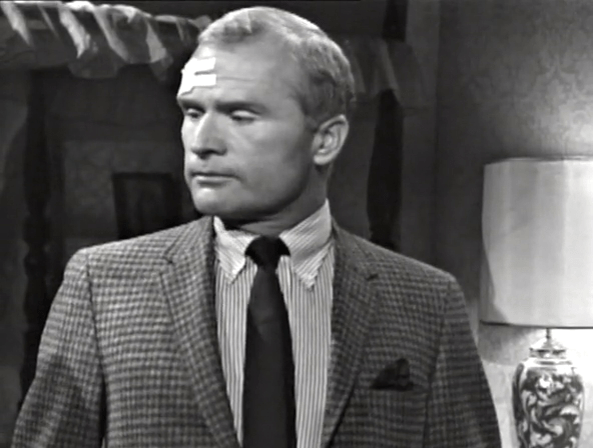
In fact, when we think about it, Roger is responsible for more than one monster. If we go by the bare facts we’ve been given to this point, it’s Roger’s own testimony that is to blame for Burke’s (presumably wrongful) imprisonment and, by extension, his return for revenge.
In his selfishness, greed, cruelty and casual indifference, Roger has created both his worst enemies, one from a friend (ahem…“friend”) and another from the son and heir he should love above all things. It’s a delightfully tragic turn, equally at home on a Shakespearian stage as on a daytime sudser, and like as not Louis Edmonds is the perfect blend of the talents both venues require.
Things promise to get moving with a knock at the door. The two new best friends hurry to get it.
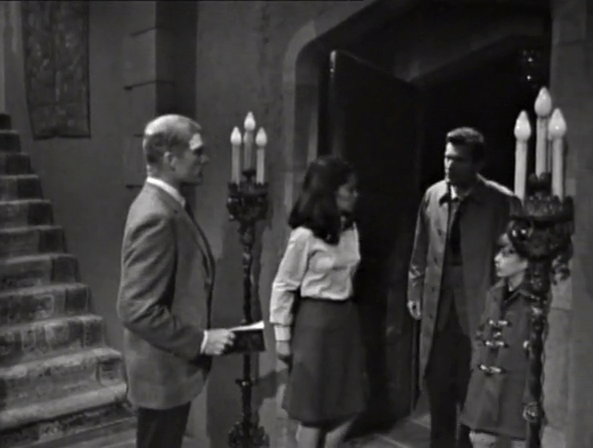
It’s astounding that, after everything he has learned, Roger’s first words on seeing the new arrivals are “What are you doing here, Burke?”, the entire matter of his homicidal son now relegated to Point B in the daily drama.
Burke moves instantly to protect David, claiming only that he found him “wandering”. When David instantly clams up, Burke cautions that the kid’s frightened…

In Burke’s narrative, he picked up David on the side of the road, seeing him walking through the storm, and brought him home as a courtesy. He could just as easily come out right now and throw the boy under the bus but, presumably cognizant of the wrath that would befall David, instead covers for him.
Roger ushers David into the drawing room.
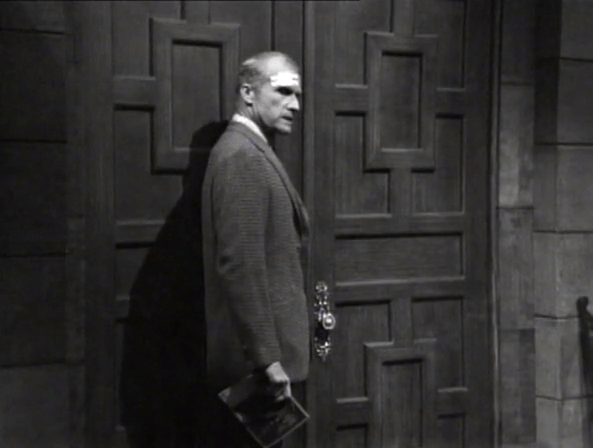
Who needs spooky shadow people when we have an angry father trying desperately to sound authoritative?
Roger closes the door on him and his son and, yanno, maybe the part of Vicky that grew up in an orphanage surrounded by cruel people who played wicked pranks on her for no reason might suspect something really terrible is about to happen to the boy she was brought here to help, but she makes no motion of concern. Which I guess is valid, considering this same kid has kicked her ass twice in two days.
Burke, at least, seems to get it.
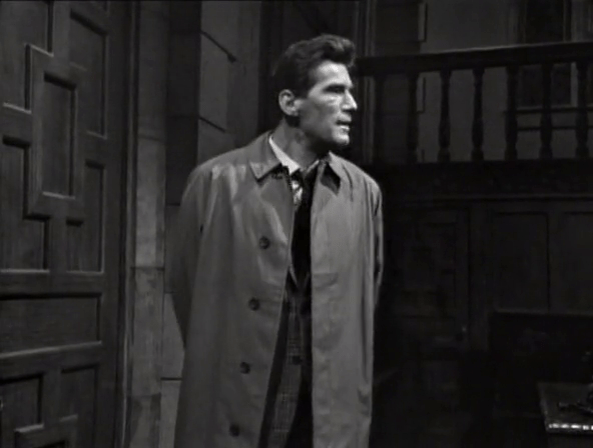
For those of you who have never been exposed to members of that most endearing culture we call the “Baby Boomers” (mostly, I suppose, the White ones), the “woodshed” is a polite euphemism for beating your child in a place where nobody can hear it scream. I’m told this built character for the Boomers, enabling them to grow up to destroy our economy, environment, and easy listening music, so I’m sure it’s fine.
For whatever reason, Vicky doesn’t think Roger is capable of inflicting such violence.
In a humorous aside, Burke relates the half of his “running away” story that David didn’t get to hear: what happened when he got home to his father.

And he turned out okay, didn’t he?
Victoria pays this no mind and, as before, tries to get him out of the house and, considering all the trouble his last visit caused, maybe she’s justified.

Well that’s settled.
Hey, you like Impressionist paintings?
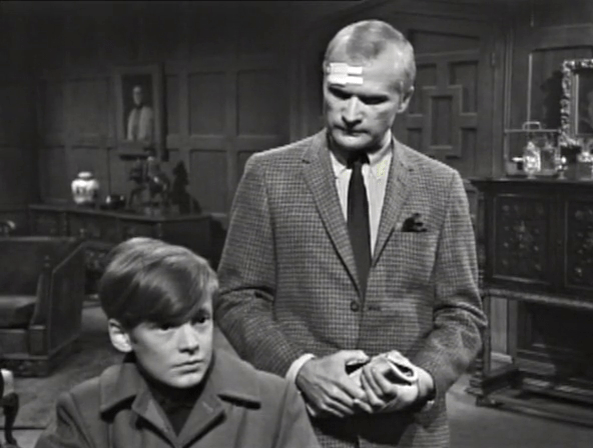
The enterprising David has literally one story and he’s sticking to it.
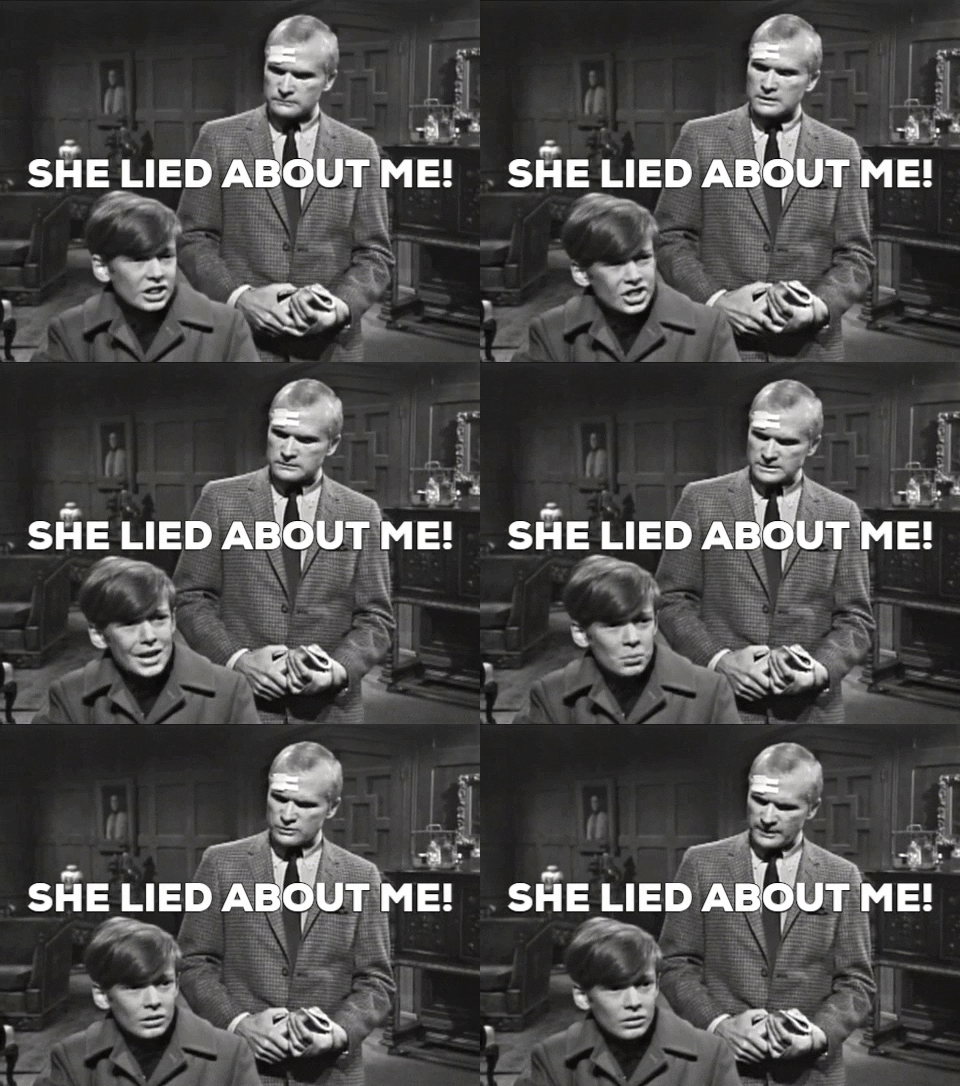
He sticks to the “blame the babysitter” campaign with an astounding zeal that is admittedly as admirable as it is pathetic. He ran away because of Victoria because she was telling lies because…
Because she was. Obviously. God.
There’s this cute moment when David punctuates his whines with impetuous piano-key tapping, which is a nice way of reminding us that thing exists and isn’t just a strangely placed table.
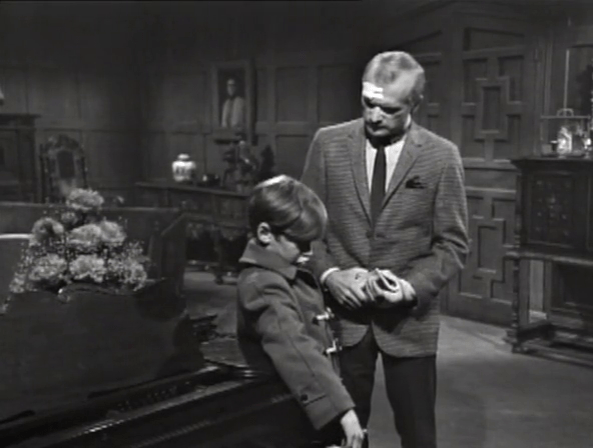
Roger positions himself on the piano bench, in what must be his first attempt to look his son in the eye since he was taken out of the delivery room.
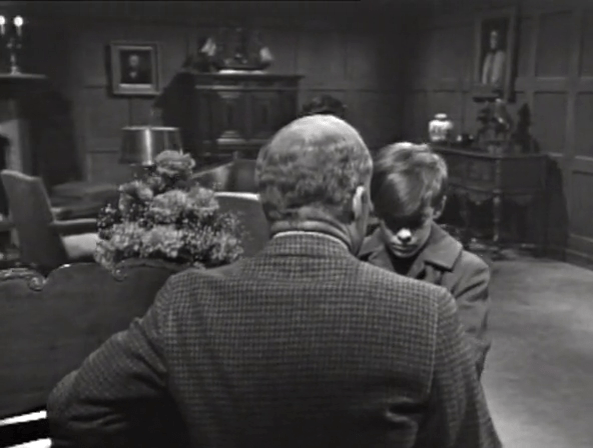
Roger prompts David to explain his bullshit story.
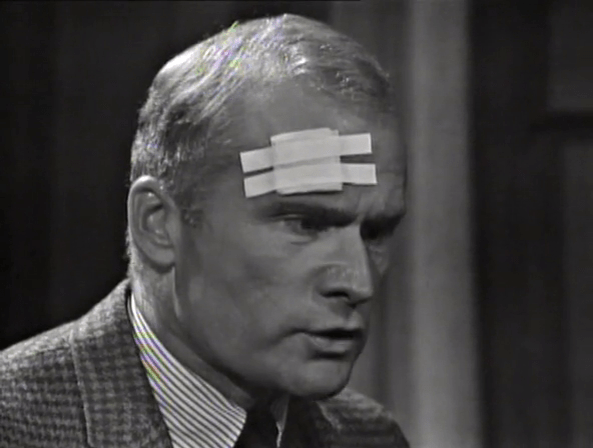
There’s always unearthly reasons, but we haven’t gotten there yet. Either way, David takes his hokery to its logical conclusion…

And, unlike his sister, Roger has the common sense not to buy that for a minute. This episode really has been a good showing for him, all things considered, implied child abuse notwithstanding.
His first failing, really, is the peculiar demand to…
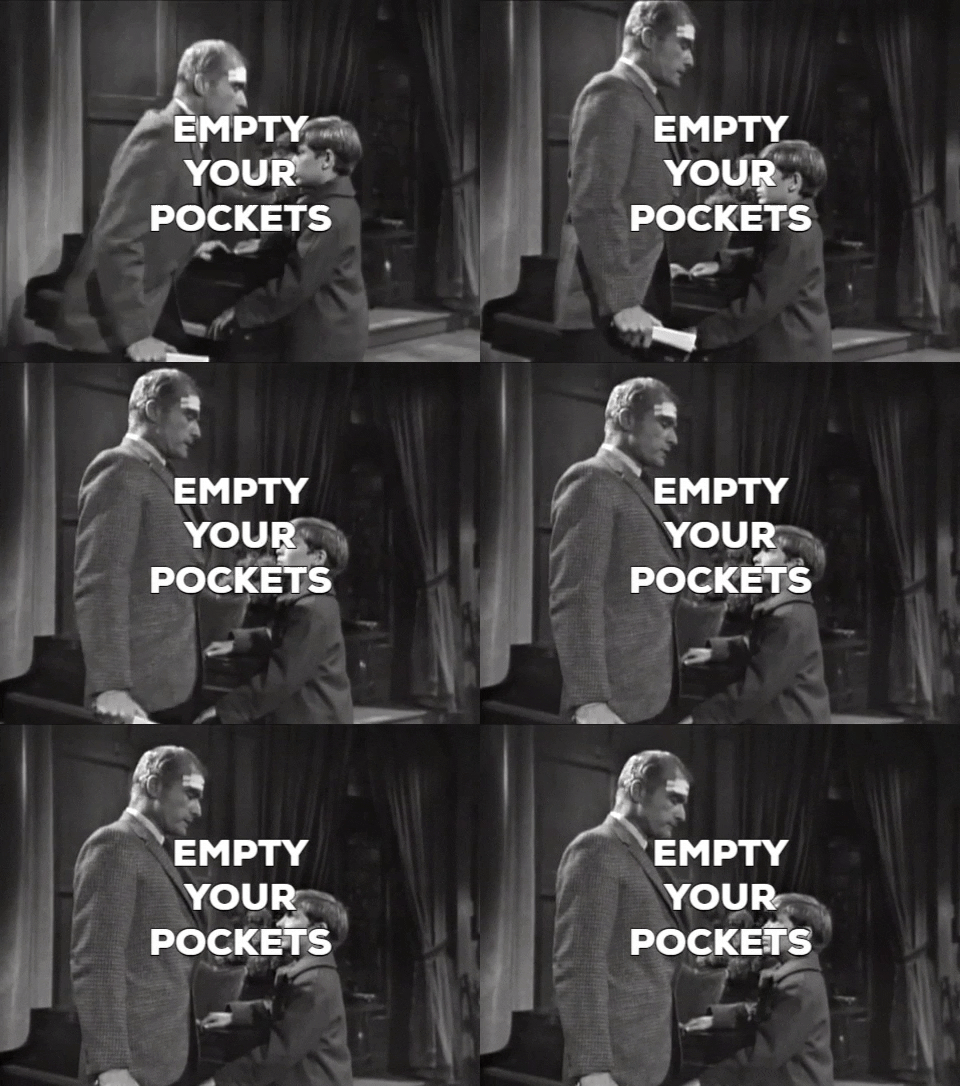
Clearly, he’s looking for the suppository, but he neglects the fact that, if David had the suppository on him when he left, he certainly wouldn’t have been fool enough to bring it back with him. Of course, David did try to bring it back, but that was only after having an emergency flash of conscience.
David proceeds, in succession to remove enough strange boyish things to recreate SpongeBob SquarePants’s ‘Indoors’ number.

Roger demands to know what’s become of the suppository. David is near tears, crying out for Elizabeth…

Roger then delivers today’s motivational coffee cup affirmation.
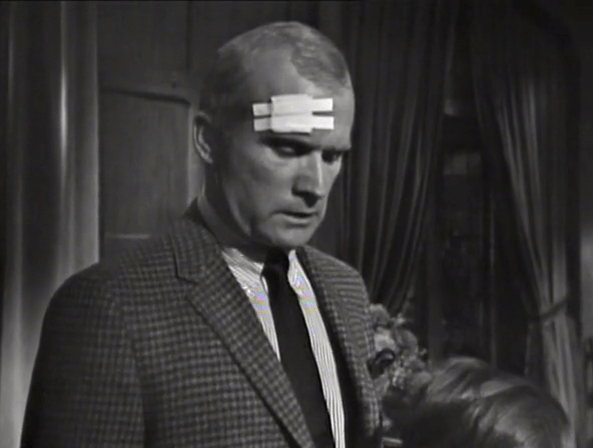
Let it nourish you.
Back in the foyer, Burke needs a lozenge.
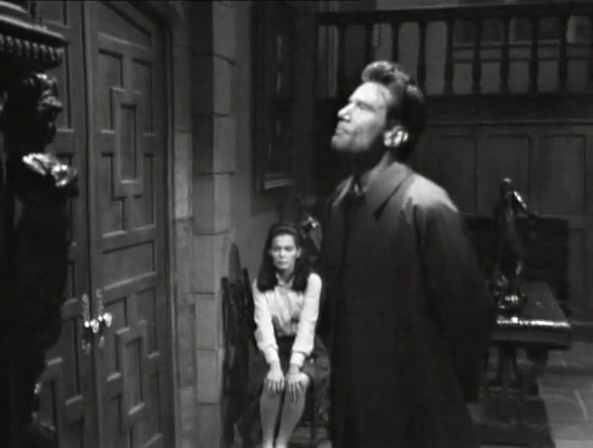
He’s talking about the clock, but they didn’t have Mucinex yet.
Burke reminds Victoria of his warning to her to leave and never come back because that’s their thing now.
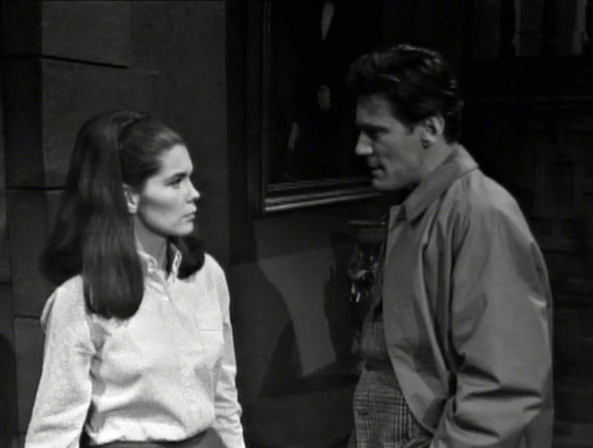
It isn’t even a guess. He has the goddamned suppository in his pocket. The only conceivable reason he didn’t open with that is he’s just as much of a drama queen as the Collins boys.
Meanwhile, Roger is forcing newsprint into David’s face.
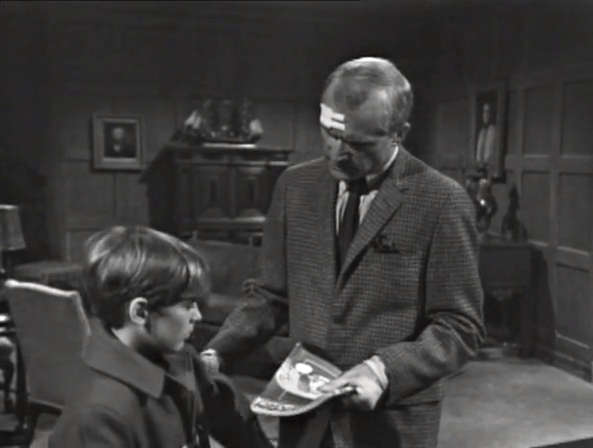
There’s a moment where David’s bullshit seems so vexing to Roger that he breaks the fourth wall.
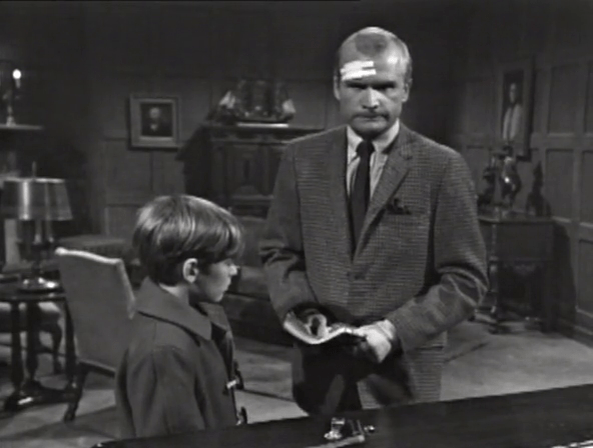
Roger determines to question Victoria, if only so David shuts up on that line, and, naturally…

Priorities.
Burke claims he was “waiting to say goodbye”.
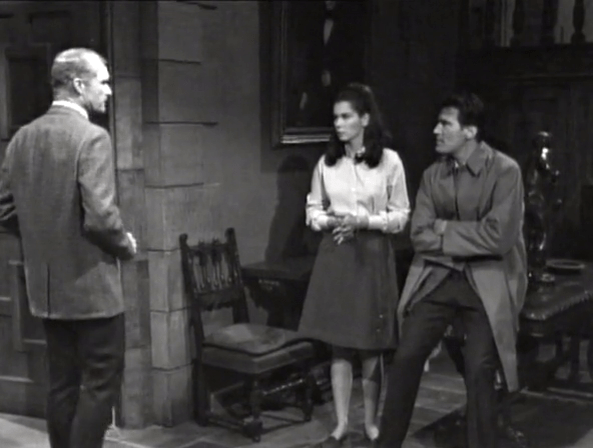
He’s in fine form tonight.
Victoria tells David that it’s “pointless to lie”. Just as pointless as it was spending 15 episodes telling a story that could’ve been told in 5. 8 in a stretch. Things really began falling apart by the time we hit 10.

Yes, he is. Several times. In those words.
Just when things seem poised to go on for another 15 episodes, Burke interjects…
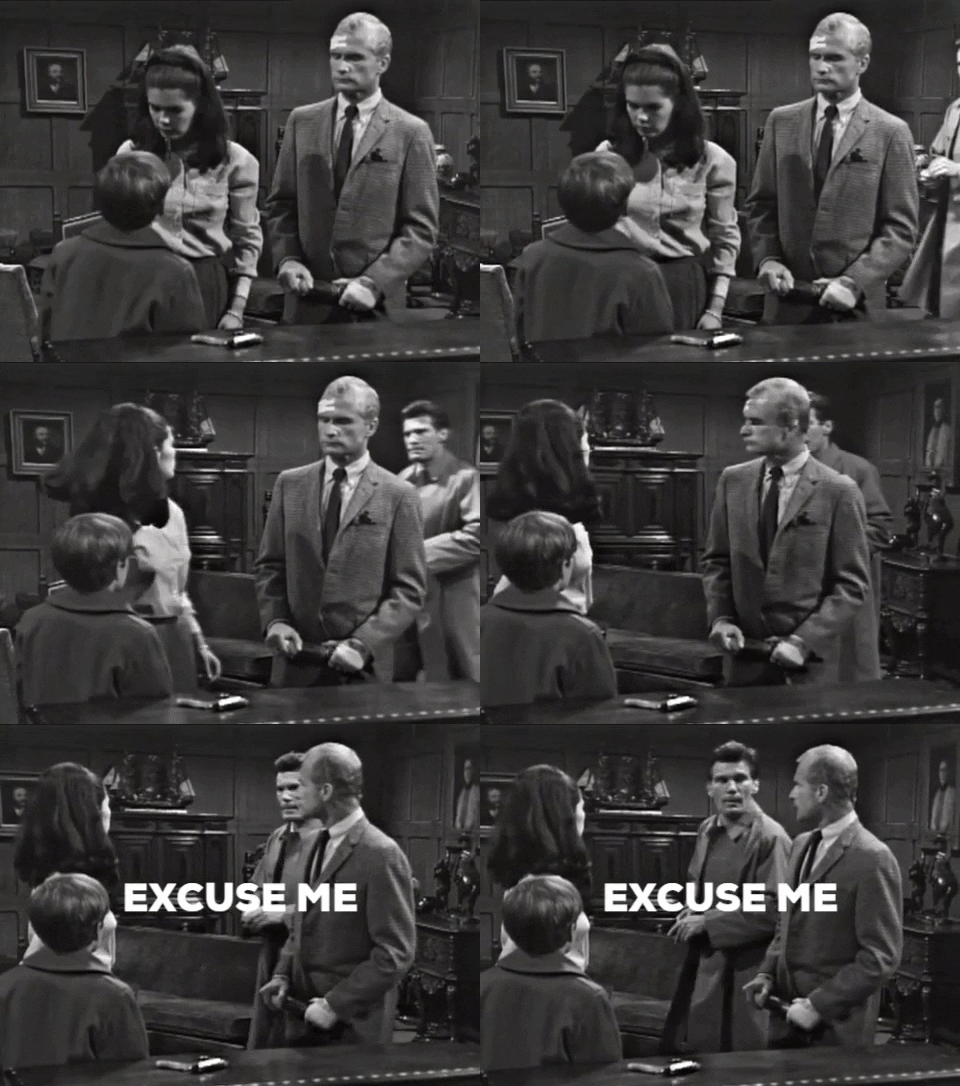

I talk a lot of shit about Burke Devlin, but I will marry him for this.
This Day in History- Friday, August 5, 1966
Ground is broken for the World Trade Center in New York City, a site so married to my home’s identity that the majority of America only ever voices support for us on the anniversary of its destruction.
Mao Zedong of China launched the “Bombard the Headquarters” slogan, launching the “Cultural Revolution”, in which the young Red Guards engaged in a variety of destabilizing havoc against their politically opposed young contemporaries. Perhaps unsurprisingly, the first confirmed death at the hands of this authoritarian youth militia was of a woman, the vice principal at a girls’ high school, who was beaten to death by her own students.
You don’t think of history this way, but Caesars Palace opened on the same day they started building the WTC. I’m not sure why, but isn’t that fucked?
And, in music news, the Beatles release the Revolver album in the UK. If nothing else, you are quite familiar with Eleanor Rigby, who’s kind of like Elizabeth Collins-Stoddard, but without the family that makes her want to kill herself.
 Kooks of Collinwood